
Beautiful Plants For Your Interior
Beautiful Plants For Your Interior
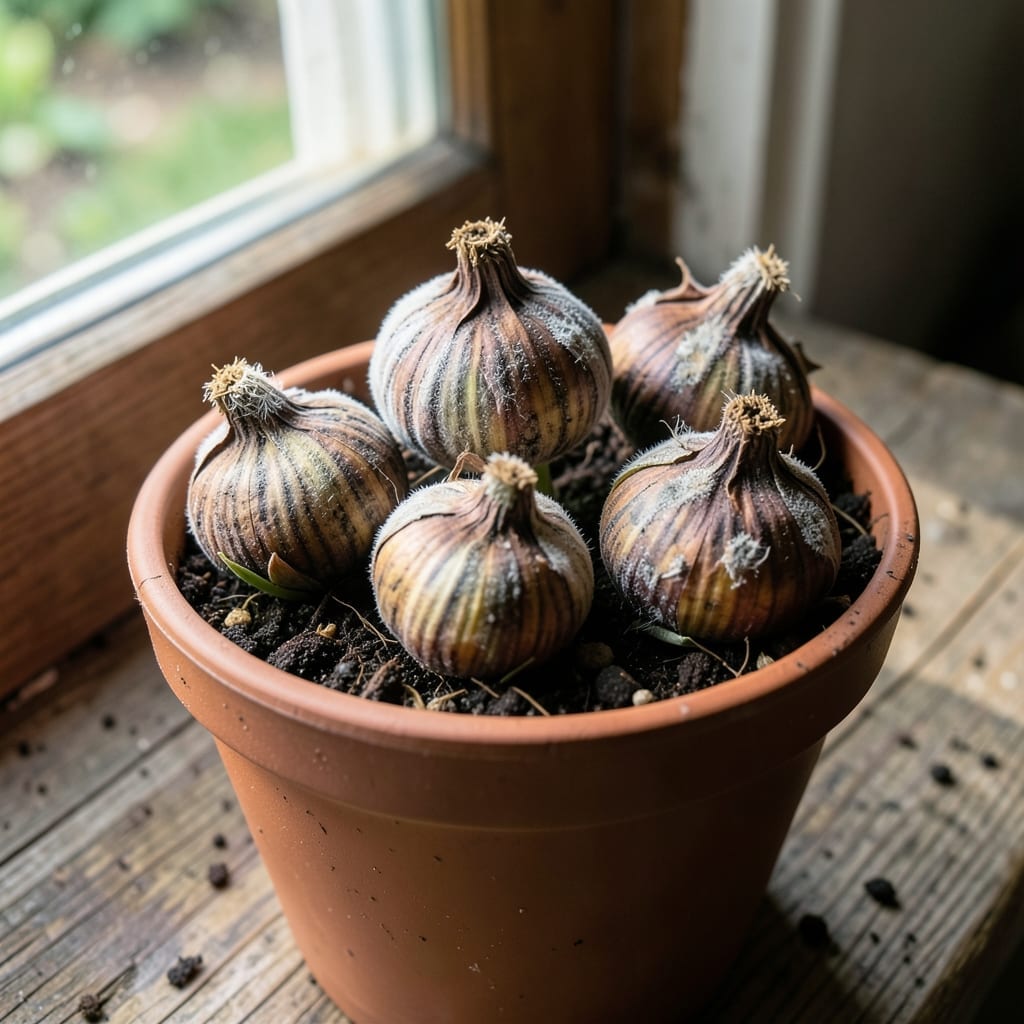
Nothing kills spring excitement like pulling out stored tulip bulbs covered in white fuzz. I learned the hard way that mold isn’t just ugly—it can spread and ruin your entire planting season if you don’t act fast.
The issue usually starts with excess moisture and poor airflow in storage. I’ve rescued bulbs by catching the problem early, isolating them, and adjusting conditions. The key is dry, ventilated spaces with temperatures between 40-50°F.
Prevention is simpler than you think: clean bulbs before storage, use mesh bags, and check on them monthly. This small effort means healthy bulbs ready to burst into color come spring.
If you spot mold, don’t panic—there’s still hope for next year’s display. Here’s what works.
Mold on tulip bulbs is a frustrating issue, but understanding the root causes can help you prevent it. Here’s why it happens:
Tulip bulbs thrive in well-drained soil. When they’re stored or planted in damp, waterlogged conditions, mold spores—always present in the environment—find the perfect breeding ground. Overwatering, poor drainage, or high humidity in storage areas accelerates fungal growth like Penicillium or Fusarium, which appear as fuzzy white, green, or black patches.
Stagnant air traps moisture around bulbs, creating a microclimate ideal for mold. This often happens in crowded storage containers or plastic bags without ventilation. Even in the garden, planting bulbs too closely together reduces airflow, increasing the risk of fungal infections.
Extreme or inconsistent temperatures stress tulip bulbs, weakening their natural defenses. Storing bulbs in warm, humid basements or exposing them to sudden cold snaps can trigger mold. Ideally, bulbs need a cool (40–50°F), dry, and stable environment to stay healthy.
Mold spores can hitch a ride on unsterilized gardening tools, pots, or infected soil. Reusing soil from a previous moldy batch or failing to clean pruners between uses spreads fungi directly to healthy bulbs. Always use pasteurized potting mix and disinfect tools with a 10% bleach solution.
Addressing these factors proactively keeps your tulip bulbs mold-free and ready to bloom.
Dealing with mold on tulip bulbs doesn’t mean your gardening efforts are doomed. Here’s how to tackle the most common causes and restore your bulbs to health—or prevent further spread.
If overwatering or poor drainage is the culprit, act fast. Remove bulbs from soggy soil and let them air-dry in a well-ventilated, shaded area for 24–48 hours. Discard any with soft, blackened mold. Replant the salvageable ones in fresh, well-draining soil and reduce watering. Prevention tip: 💡 Use raised beds or amend heavy soil with sand or perlite to improve drainage.
Mold from damp or warm storage? Clean bulbs with a 10% bleach solution (1 part bleach to 9 parts water), then dry thoroughly. Store in a cool, dry place (40–50°F) with good airflow—mesh bags or cardboard boxes work better than plastic. Prevention tip: ✨ Inspect bulbs weekly during storage and remove any showing early signs of mold.
For fungal issues like Penicillium or Botrytis, isolate infected bulbs immediately to prevent contamination. Lightly dust healthy bulbs with fungicidal powder (e.g., sulfur-based) before replanting. If the infection is widespread, solarize the soil by covering it with clear plastic for 4–6 weeks to kill spores. Prevention tip: 🎯 Rotate planting beds yearly to disrupt fungal cycles.
Overcrowded bulbs trap moisture and encourage mold. Dig up clumps, separate healthy bulbs, and replant them 6 inches apart with the pointed end up. Prevention tip: 🔥 Label bulbs by variety to track spacing needs for future plantings.
Remember: Moldy bulbs can sometimes be saved if caught early, but severely damaged ones should be discarded to protect the rest. Always sterilize tools with rubbing alcohol after handling infected bulbs!
Discard bulbs with soft, dark mold, but those with surface fuzz can be saved. Clean with a 10% bleach solution, dry for 24-48 hours, then replant in fresh soil.
Keep them in a cool (40-50°F), dry place with airflow. Use mesh bags or cardboard boxes—never plastic. Check monthly for early signs.
Gently scrub with a soft brush and 10% bleach solution. Rinse, then dry thoroughly in a well-ventilated area before storing or replanting.