
Beautiful Plants For Your Interior
Beautiful Plants For Your Interior
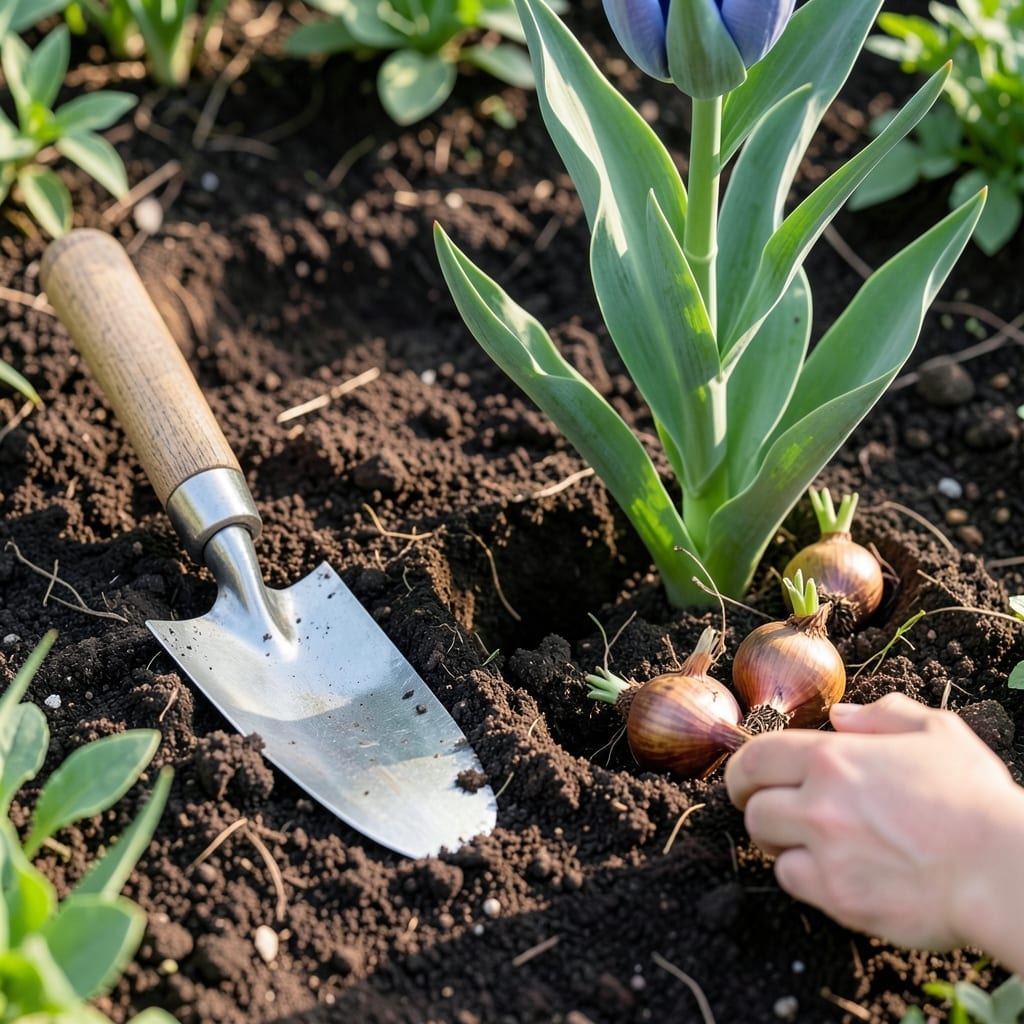
Timing is everything when it comes to planting 🌷 Tulip bulbs—plant too early or too late, and you might miss out on a spectacular spring display.
Discover why the fall season is the perfect window to ensure vibrant blooms next year. It’s all about giving those bulbs enough time to establish strong roots before winter sets in.
I’ll walk you through the ideal conditions and timing, so you can avoid common mistakes and set your garden up for success. Whether you’re a seasoned gardener or just starting out, this guide has you covered.
Let’s dig into the details and make sure your tulips thrive. You won’t want to miss what comes next.
The ideal window for planting tulip bulbs is in the fall, about 6-8 weeks before the first hard frost in your area. This timing allows bulbs to establish strong roots before winter dormancy.
For most gardeners in USDA zones 3-8, this means planting between late September and early December. The key is soil temperature—aim for 50-60°F at planting depth.
| USDA Zone | Planting Window | Soil Temp |
|---|---|---|
| 3-4 | Early Sept – Mid Oct | 50-60°F |
| 5-6 | Mid Oct – Mid Nov | 50-60°F |
| 7-8 | Late Oct – Early Dec | 50-60°F |
In colder zones like 3-4, you’ll want to plant earlier, while warmer zones like 7-8 can wait until later in fall. This ensures bulbs get the chilling period they need for spring blooming.
I always check my local weather forecast to time planting just right. If you plant too early in warm weather, bulbs may sprout prematurely. Too late, and they won’t establish roots before winter.
The soil temperature is more important than the calendar date. Use a soil thermometer to check conditions at 6 inches deep where bulbs will reside.
For container planting, you can start bulbs indoors in fall then move them outside. This gives you more control over the rooting environment before winter exposure.
Remember that tulips need a period of cold dormancy to bloom. Without it, they may produce blind stems (no flowers) the following spring.
In my experience, the sweet spot is when daytime temperatures consistently stay below 60°F. This usually aligns perfectly with the soil temperature requirements.
If you’re unsure about your zone, consult the USDA Plant Hardiness Zone Map. It’s the most reliable guide for determining your local planting window.
Proper timing now means vibrant blooms next spring, with strong stems and healthy flowers that will make your garden the envy of the neighborhood. 🌷
Planting tulip bulbs correctly ensures a stunning spring display. The key is timing, depth, and soil prep. I always aim for 6-8 inches deep and 4-6 inches apart to give roots room to grow.
Start by choosing well-draining soil—tulips hate soggy feet! Loosen the earth and mix in compost for nutrients. This prep work makes all the difference for healthy blooms.
Dig holes 6-8 inches deep—about 3x the bulb height—to protect from frost.
Space bulbs 4-6 inches apart for proper air circulation and growth.
Water thoroughly after planting to settle soil and encourage root growth.
Add mulch to insulate bulbs and retain moisture during winter.
After planting, water deeply to help roots establish. Avoid overwatering, as bulb rot can set in. A light mulch layer helps retain moisture and protects against temperature swings.
Many gardeners make the mistake of planting too shallow. This leaves bulbs vulnerable to frost heave. Always measure depth from the bulb base, not the top.
For best results, choose a sunny location with at least 6 hours of sunlight. Tulips thrive in full sun, which fuels vibrant, long-lasting blooms come spring.
Finally, mark your planting spots. It’s easy to forget where bulbs are hidden, and accidental digging can ruin your hard work. A simple garden flag or stake does the trick.
🌷