
Beautiful Plants For Your Interior
Beautiful Plants For Your Interior
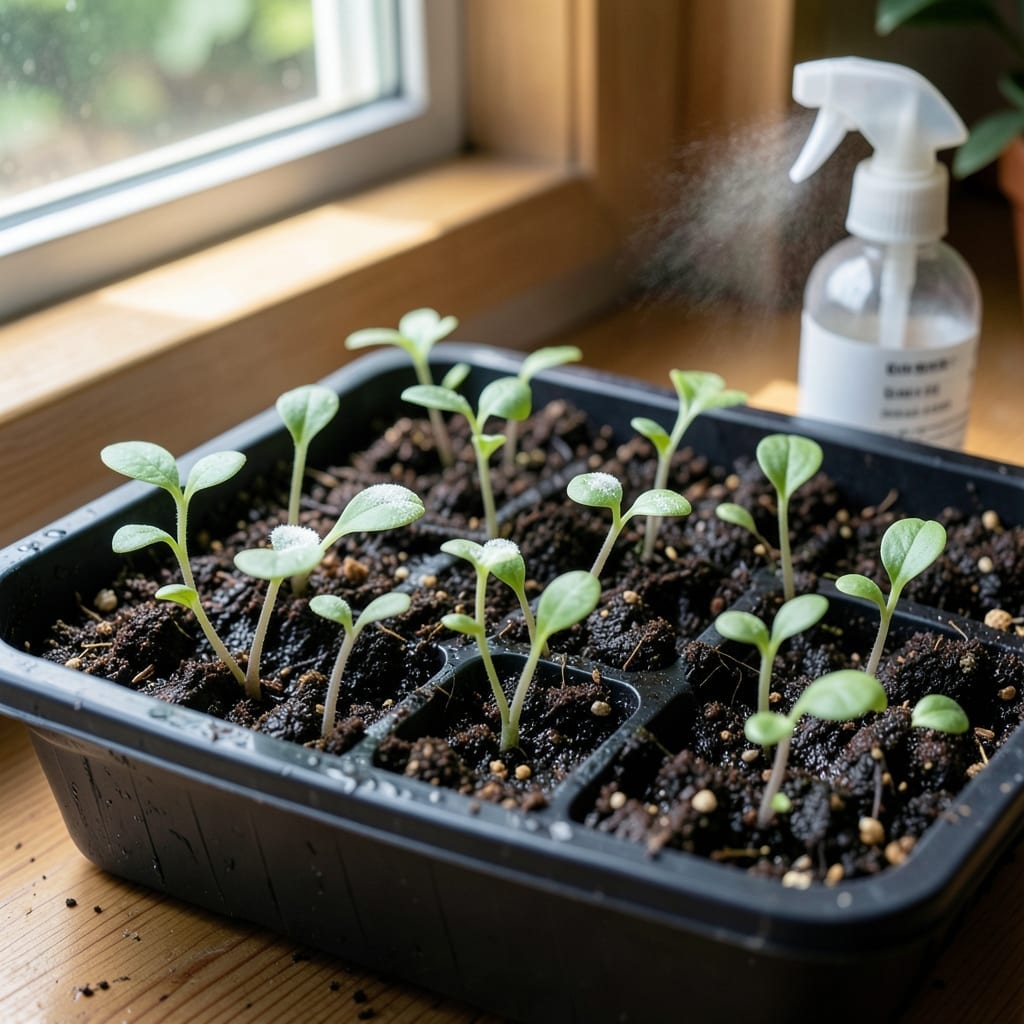
White fuzz on your seedling soil isn’t a good sign. I’ve lost entire trays to mold before learning the hard way—it spreads fast and can kill young plants overnight.
Overwatering and poor air flow are the usual culprits. The fix starts with simple changes: less water, more ventilation, and a fan on low can work wonders in 24 hours.
Organic solutions like cinnamon or chamomile tea work surprisingly well. They’re gentle on seedlings but tough on mold, and you likely have them in your kitchen already.
Catch it early and your seedlings will bounce back. Ignore it, and you’ll be starting over with new seeds. Here’s how to save your plants.
Mold on young seedlings often stems from a few key environmental and care-related factors. Understanding these causes helps you prevent outbreaks before they start. Below are the most common triggers, explained with actionable insights.
Overwatering is the #1 cause of mold on seedlings. When soil stays soggy, it creates a perfect breeding ground for fungi like Pythium or Fusarium. These pathogens thrive in waterlogged conditions, attacking delicate roots and stems. Ensure pots have drainage holes and use a well-draining seed-starting mix to avoid standing water.
Seedlings packed too closely restrict airflow, trapping humidity around leaves and soil. Stagnant air accelerates mold spores’ growth, especially in warm, damp environments. Space seedlings properly and use a small fan on low to improve circulation—this mimics a gentle breeze and strengthens stems while deterring mold.
Mold spores can lurk in reused pots, unsterilized soil, or dirty tools. If you’ve had mold issues before, the culprit might be lingering spores from past batches. Always use pasteurized seed-starting mix and clean trays with a 10% bleach solution (1 part bleach to 9 parts water) to kill off hidden contaminants.
Leggy, weak seedlings are more susceptible to mold because their thin stems and sparse foliage can’t fend off infections. Insufficient light (natural or grow lights) forces seedlings to stretch, stressing them and reducing their natural defenses. Provide 12–16 hours of light daily to keep them compact and resilient.
Mold on young seedlings can be frustrating, but it’s often fixable with quick action. Below are targeted solutions based on the most common causes, along with prevention tips to keep your plants healthy.
If mold appears due to excess moisture, adjust your watering routine. Let the top inch of soil dry out between waterings. Use pots with drainage holes and a well-draining seed-starting mix. Pro tip: Bottom-watering (placing the pot in a tray of water) helps prevent overwatering while keeping roots hydrated. 💡
Stagnant air encourages mold growth. Place a small fan nearby on low to improve airflow, but avoid direct drafts that could stress seedlings. Space seedlings apart to allow air to circulate freely. Opening a window for a few hours daily can also help. ✨
If mold is accompanied by wilting (a sign of damping off), act fast. Remove affected seedlings to prevent spread. Sterilize tools and pots with a 10% bleach solution. Repot remaining seedlings in fresh, sterile soil. Prevention: Use a fungicide-free seed-starting mix and avoid overcrowding. 🎯
For humidity-related mold, use a dehumidifier or place seedlings in a less humid area. If using a humidity dome, remove it once sprouts appear. Wipe down the dome daily to prevent condensation buildup. Pro tip: A thin layer of cinnamon on soil can naturally inhibit mold growth. 🌡️
Consistency is key—monitor seedlings daily and adjust conditions as needed. With these fixes, your seedlings will have the best chance to thrive mold-free!
Yes, if you act quickly! Remove affected leaves and improve conditions like airflow and drainage. Most seedlings bounce back within 2-3 days once the environment is corrected.
Start with sterile soil and clean trays. Water only when the top 1 inch of soil is dry, and use a fan for gentle airflow. A sprinkle of cinnamon on soil can also help.
White mold on soil is usually harmless but can spread. Remove it immediately and reduce moisture. If left unchecked, it may lead to damping off, which kills young plants.
Yes, a diluted solution of 1 part vinegar to 3 parts water can work. Spray lightly on affected areas, but avoid overusing as it may harm delicate seedlings.