
Beautiful Plants For Your Interior
Beautiful Plants For Your Interior
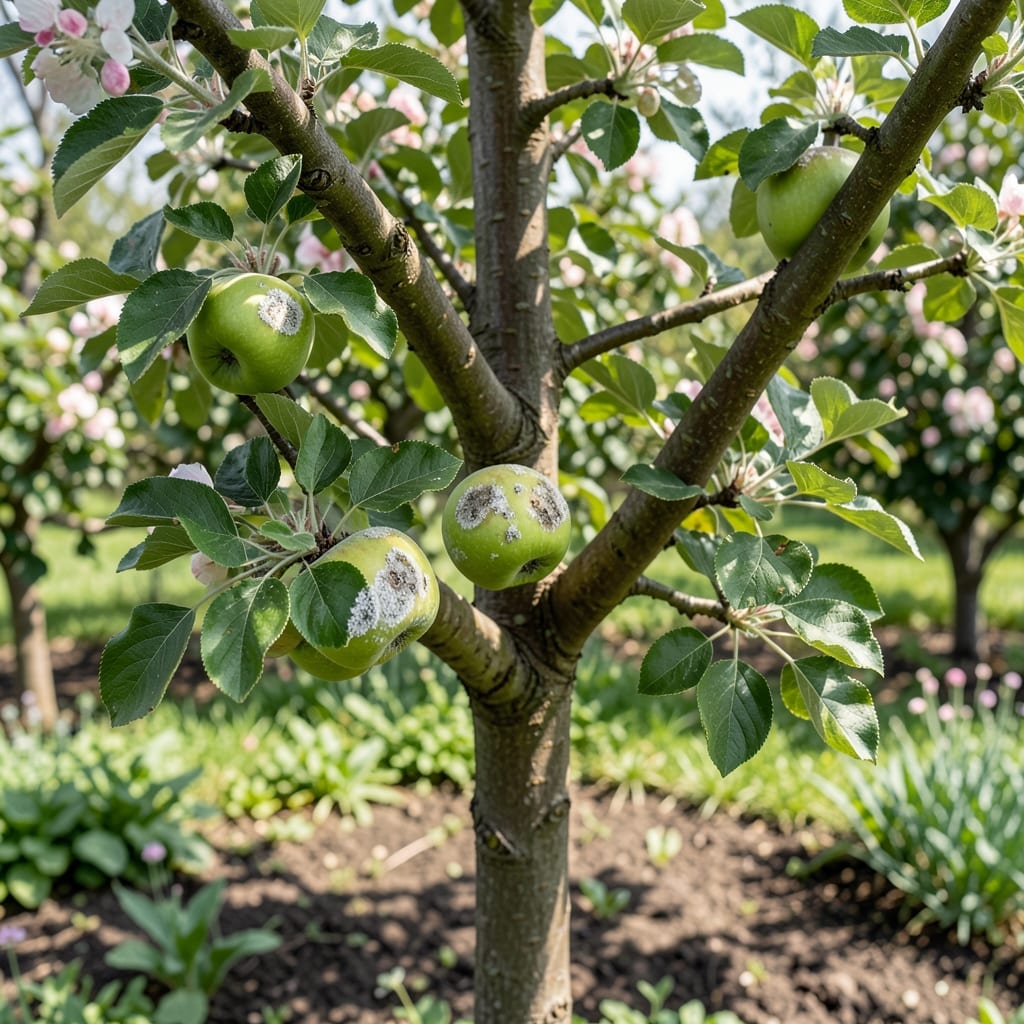
Spotting mold on apples means trouble for your harvest. I’ve lost entire bushels to this silent spreader, but catching it early saves most of your crop.
The fuzzy spots start small—often white, gray, or blue—and grow fast in damp conditions. One moldy apple can ruin its neighbors in storage, so acting quickly is key.
You’ll learn to identify the warning signs before they multiply, plus simple steps to stop the spread without harsh chemicals. Most solutions use household items.
Prevention is easier than cure, and I’ve tested methods that keep apples mold-free for months. Here’s what actually works.
Mold on apples isn’t just unsightly—it’s a sign of underlying conditions that allow spores to thrive. Understanding the root causes helps you prevent spoilage and keep your fruit fresh longer. Here’s why it happens:
Apples are about 85% water, making them prime targets for mold. When stored in damp environments (like refrigerators with poor airflow or sealed plastic bags), moisture accumulates on the skin. Botrytis, Penicillium, and other fungi spores—ubiquitous in the air—germinate in these wet conditions, leading to fuzzy gray, green, or blue patches.
Warmth accelerates mold growth, but inconsistent temperatures are even worse. Apples stored in areas that swing between cold and warm (e.g., a garage or pantry) experience condensation. This creates microclimates where spores activate. Ideal storage? 32–40°F (0–4°C) with 90–95% humidity—but stable.
Bruises, punctures, or cuts break the apple’s protective waxy cuticle, exposing the flesh to spores. Even minor abrasions from handling or packing can invite Alternaria or Monilinia fungi. Inspect apples before storage, and discard damaged ones to prevent contamination.
Mold spreads easily. If one apple (or nearby fruit like berries or citrus) is moldy, spores can drift through the air or transfer via contact. Ethylene gas—released by ripening fruit—also speeds up spoilage. Store apples separately from high-ethylene producers (e.g., bananas, avocados) and check for mold regularly.
Pro tip: Use perforated bags or paper towels to absorb excess moisture and reduce spore circulation.
Mold on apples can be managed and prevented with the right approach. Below are practical solutions tailored to specific causes, along with prevention tips to keep your fruit fresh and safe.
Fix: For small, isolated mold spots, cut away at least 1 inch around and below the affected area. Mold roots can spread deeper than visible, so be generous. Use the remaining apple immediately or refrigerate it.
Prevention: Store apples in the refrigerator in a perforated plastic bag to maintain humidity without trapping moisture. Check fruits weekly for early signs.
Fix: Discard the entire apple. Mold can produce mycotoxins that aren’t visible to the naked eye, and these can spread to nearby fruits. If stored in a basket or bowl, inspect and remove any neighboring apples with soft spots or odd smells.
Prevention: Avoid storing apples near other produce that releases ethylene gas (like bananas or avocados), as this speeds up spoilage. Keep storage areas clean and dry.
Fix: If mold is due to damp or warm storage, move unaffected apples to a cool, dry place. Wipe down the storage container with vinegar or baking soda solution to kill lingering spores.
Prevention: Pro tip 💡: Store apples in the crisper drawer of your fridge (30–35°F is ideal). For long-term storage, wrap each apple in newspaper to absorb moisture and prevent mold spread.
Fix: Bruised or heat-damaged apples are mold magnets. Toss any with wrinkled skin or soft bruises, as mold thrives in these weak spots.
Prevention: Handle apples gently to avoid bruising. If buying in bulk, sort through them and use any damaged ones first. Keep them away from direct sunlight or heat sources like stoves.
By addressing mold early and storing apples properly, you can extend their freshness and enjoy them safely. When in doubt, remember: “When mold appears, discard the fears!” (and the apple).
No, it’s best to discard it. Even small mold spots can have invisible roots and mycotoxins. If you must salvage it, cut at least 1 inch around and below the mold, but use immediately.
Store apples in the fridge’s crisper drawer at 30–35°F. Use perforated bags or wrap each in newspaper to absorb moisture. Keep them away from ethylene-producing fruits like bananas.
Mold thrives in damp, warm, or poorly ventilated areas. Temperature swings create condensation, while bruises or cuts expose the flesh to spores. Stable, cool, and dry conditions slow growth.
Vinegar kills surface spores but won’t remove mycotoxins. It’s useful for cleaning storage containers, not the fruit itself. Always discard moldy apples to avoid health risks.