
Beautiful Plants For Your Interior
Beautiful Plants For Your Interior
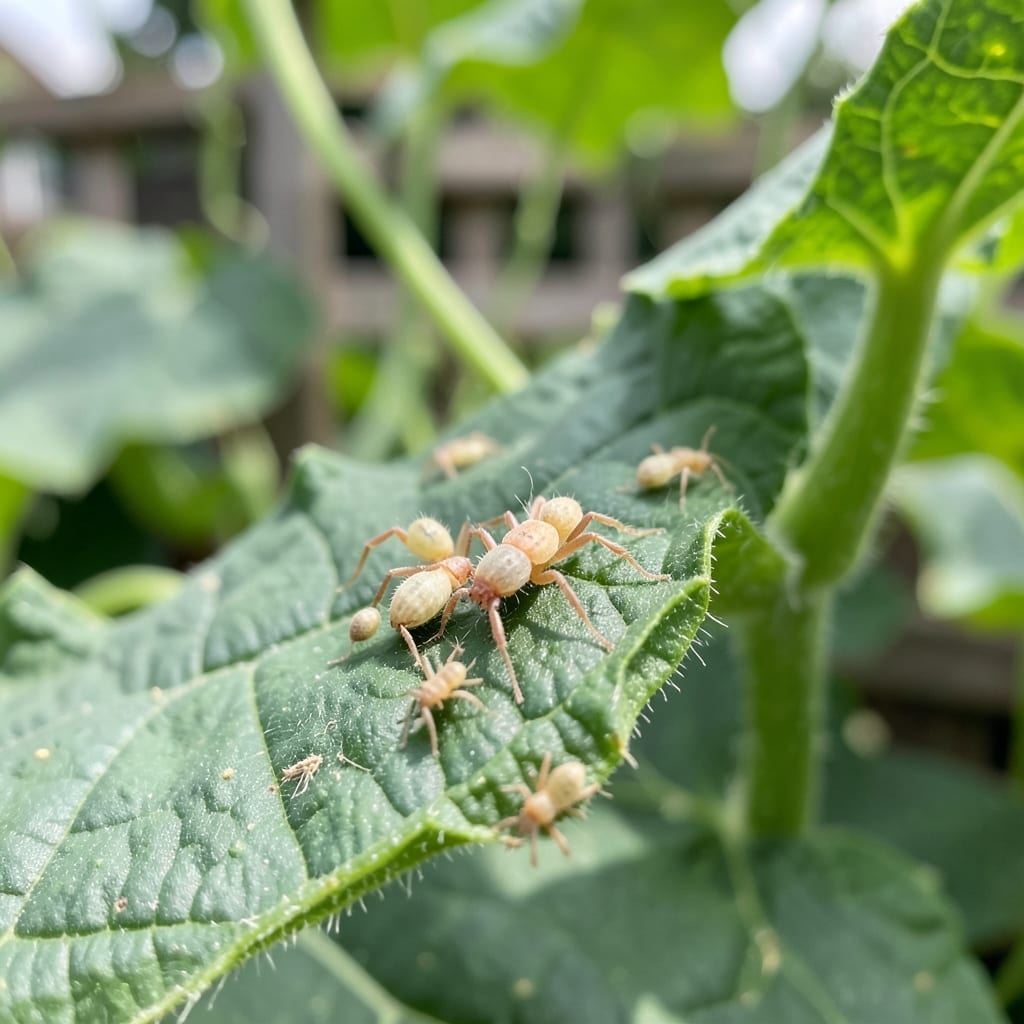
Tiny specks on cucumber leaves spelled trouble the first time I saw them. Mites multiply fast, turning healthy vines into crispy, yellowed messes before you realize what’s happening.
I learned to catch them early by checking leaf undersides weekly. The webbing they leave behind is the dead giveaway—like miniature spider silk between stems. Early action saves the entire plant.
Organic sprays and beneficial insects work if you start before the infestation spreads. I’ve saved entire crops with just neem oil and ladybugs, but timing is everything.
Don’t wait until leaves look like lace. By then, it’s a battle to save your cucumbers. Regular checks prevent the headache entirely.
Mites on cucumber plants often appear due to a mix of environmental and cultural factors. Understanding the root causes can help you prevent outbreaks before they start.
Spider mites thrive in warm, arid environments. When temperatures climb above 80°F (27°C) and humidity drops below 50%, these pests reproduce rapidly. Cucumber plants under heat stress are especially vulnerable, as their weakened state makes them easier targets. Drought-stressed plants also produce less defensive compounds, giving mites free rein.
Crowded plantings or dense foliage restrict airflow, creating a humid microclimate that favors mite proliferation. In greenhouses or indoor setups, stagnant air allows mites to spread unchecked. Pruning excess leaves and spacing plants 18–24 inches apart can disrupt their ideal habitat.
Excess nitrogen promotes lush, soft growth—a mite’s favorite meal. Over-fertilized cucumber plants grow tender leaves that mites find irresistible. Balance your feeding with potassium and phosphorus to strengthen cell walls, making it harder for mites to pierce and feed.
In ecosystems lacking beneficial insects like ladybugs, lacewings, or predatory mites, spider mite populations explode. Broad-spectrum pesticides often kill these helpful predators first, leaving mites unopposed. Introduce neem oil or insecticidal soaps sparingly to avoid disrupting the natural balance.
Tackling mites on your cucumber plants starts with identifying the type of mite—spider mites are the usual culprits. Here’s how to address each common cause with targeted fixes and prevention tips.
Spider mites thrive in dry conditions. Mist your plants daily with water to raise humidity around the foliage. For a long-term fix, place a tray of water near the plants or use a humidifier in your growing area. Prevention tip: 💡 Group plants together to create a microclimate with higher humidity.
Dense foliage traps moisture and invites mites. Prune overgrown leaves to improve airflow, especially in the center of the plant. Space cucumber plants at least 18–24 inches apart. Prevention tip: 🌡️ Use trellises to keep vines elevated and reduce leaf contact.
Natural predators like ladybugs, lacewings, or predatory mites can keep pest populations in check. Release them at dusk for the best results, as they’ll stay active overnight. Prevention tip: ✨ Plant companion flowers like marigolds or alyssum to attract these helpful insects.
For immediate action, spray plants with neem oil or insecticidal soap, focusing on the undersides of leaves where mites hide. Repeat every 5–7 days until the infestation clears. Prevention tip: 🎯 Apply these treatments before mites appear as a preventive measure during dry spells.
Stressed or malnourished plants are more susceptible to mites. Fertilize with a balanced, organic option and ensure consistent watering. Healthy plants recover faster and resist pests better. Prevention tip: 💪 Rotate crops yearly to prevent soil depletion and pest buildup.
Check the undersides of leaves for tiny specks or fine webbing. Yellow or bronze discoloration on leaves is another sign. Use a magnifying glass to confirm the presence of moving dots.
They thrive in dry conditions and lack of predators. Increase humidity and introduce beneficial insects like ladybugs. Avoid overusing nitrogen fertilizers, which attract them.
Yes! Spray leaves with a mix of 1 tablespoon dish soap and 1 quart water. Neem oil also works well. Apply in the evening and repeat every 5-7 days for best results.
Prune heavily infested leaves immediately. Then apply insecticidal soap or neem oil spray. For severe cases, consider removing the entire plant to protect others.