
Beautiful Plants For Your Interior
Beautiful Plants For Your Interior
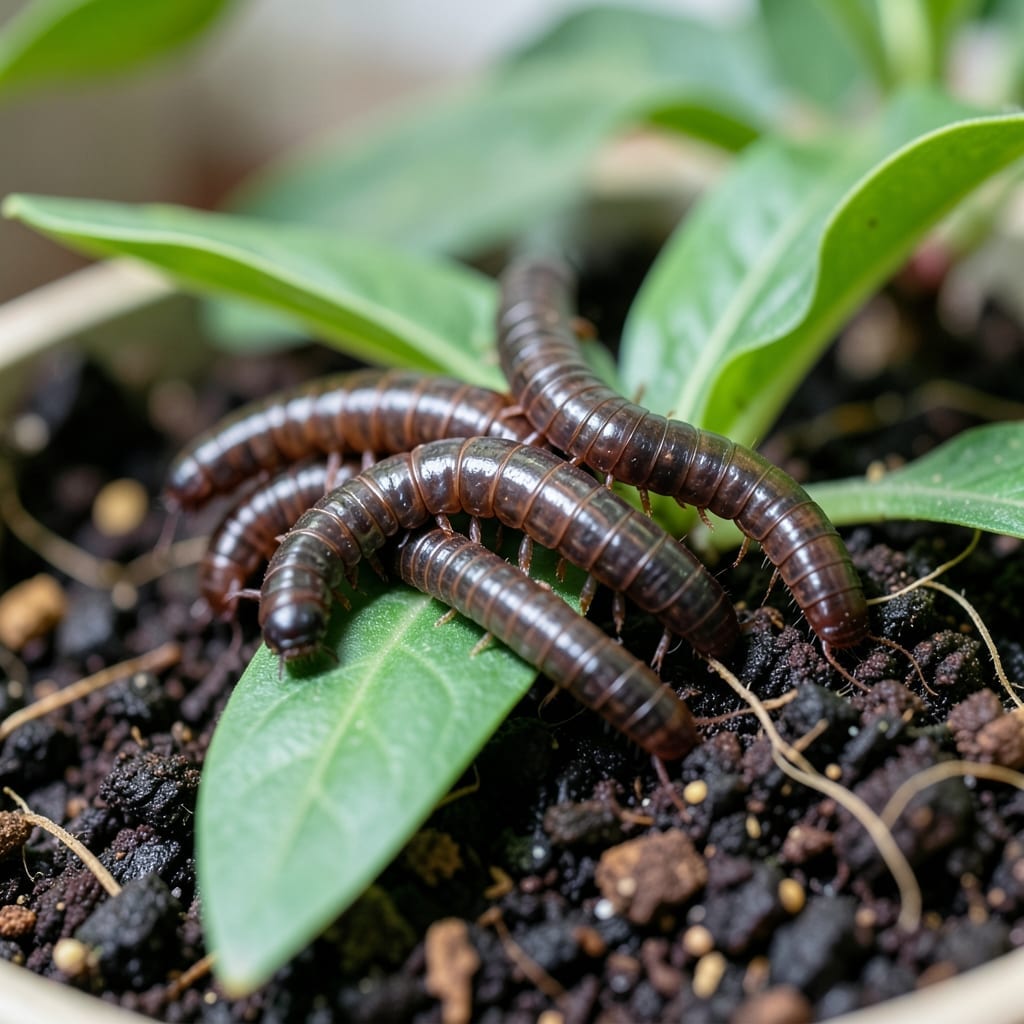
Spotted tiny segmented critters in your potted plants? Millipedes love damp soil and decaying matter, turning your favorite fern into their personal buffet.
Here’s the thing—they won’t hurt you or your plants directly, but their presence signals overwatering or poor drainage. Left unchecked, they multiply fast and can damage tender roots.
I’ve evicted them from my own collection using simple, plant-safe methods. The solution takes less than 20 minutes and uses stuff you already have at home.
You’ll end up with thriving plants, no chemical residues, and peace of mind knowing your green friends are protected long-term.
Millipedes in houseplants often appear due to specific environmental conditions or plant care habits. These creatures thrive in moist, decaying environments, and your potted plants may unintentionally provide the perfect habitat. Below are the most common causes, explained with actionable insights.
Overwatering is the #1 cause of millipede infestations in houseplants. Soggy soil creates a damp, oxygen-poor environment where organic matter decomposes slowly—ideal for millipedes, which feed on rotting plant material. Check drainage holes and ensure pots aren’t sitting in saucers of standing water.
Dead leaves, fallen petals, or uneaten mulch in the pot break down over time, attracting millipedes. These arthropods require decaying plant matter as their primary food source. Regularly remove leaf litter and refresh the topsoil to disrupt their food supply.
Low-quality or old potting mix often contains undecomposed wood chips or compost, which millipedes love. Sterilized potting soil reduces the risk, as it’s free of eggs or existing pests. Repot plants every 1–2 years with fresh, well-draining soil.
If plants spend time outside (even briefly), millipedes can hitch a ride indoors. They may also enter through open windows, doors, or cracks near moisture-prone areas like bathrooms. Inspect plants thoroughly before bringing them inside, and seal entry points with weather stripping.
Dealing with millipedes in your houseplants doesn’t have to be a hassle. Here’s how to tackle the issue based on the cause, along with prevention tips to keep your greenery thriving. 🌿
Millipedes love damp environments. If overwatering or poor drainage is the culprit:
Millipedes feed on rotting leaves and debris. Clear their food source:
If millipedes are migrating from outside:
Millipedes won’t kill your plants but they can damage tender roots. They primarily feed on decaying matter, but large infestations may stress your greenery.
Look for curled-up bugs in soil or under pots. You might also spot tiny holes in leaves or see them after watering. Check damp areas first.
Repotting helps but isn’t enough by itself. Use fresh soil, remove all debris, and improve drainage. Combine with moisture control for best results.
It’s not recommended for houseplants. Natural methods like diatomaceous earth or improving conditions work just as well without risking plant health.