
Beautiful Plants For Your Interior
Beautiful Plants For Your Interior
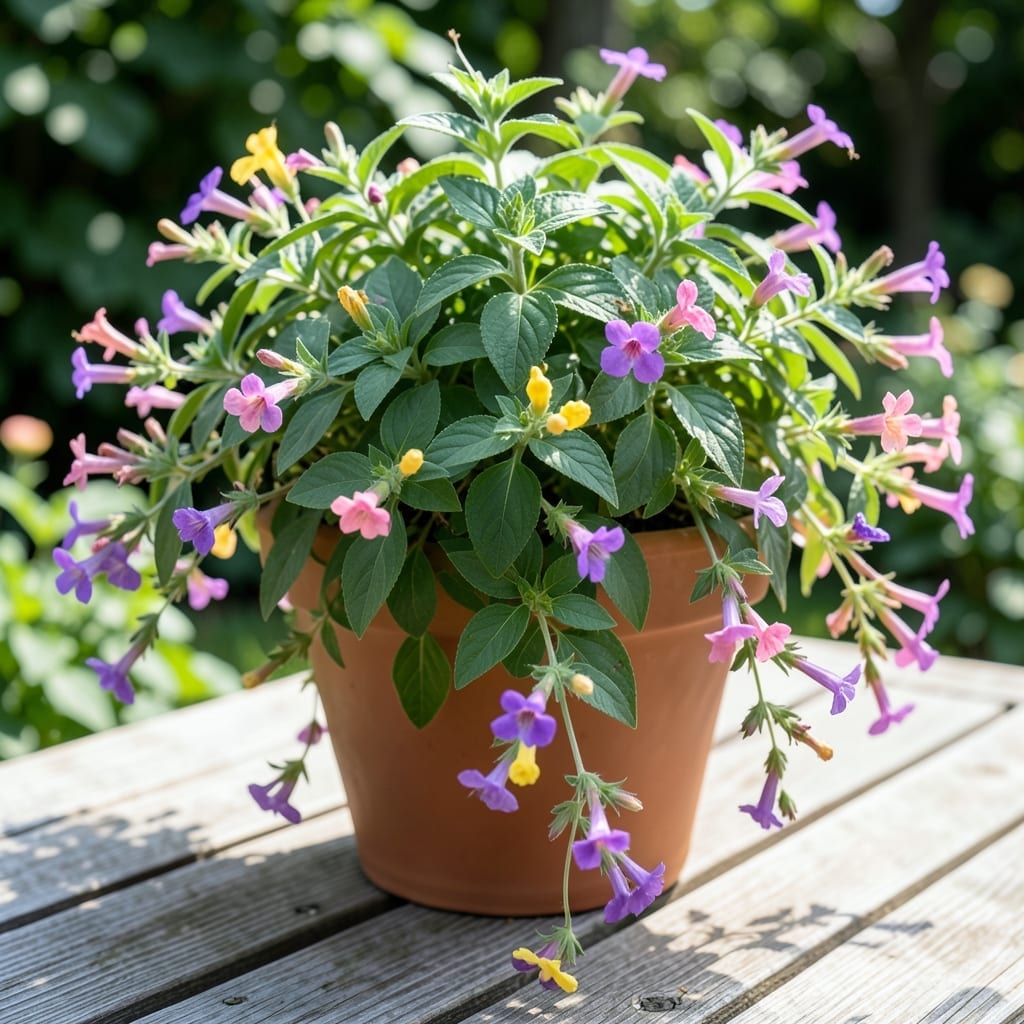
Yellow leaves on your Million Bells always feel like a gut punch. I’ve seen this exact issue in my own garden when plants look healthy one week, then suddenly develop that sickly pallor.
The good news? Most cases have quick fixes. Overwatering, poor drainage, or nutrient deficiencies usually cause this. Catch it early, and your plants rebound fast with the right treatment.
📚 In This Guide
Here’s the method I use to diagnose and revive these plants fast.
Start by feeling the soil 1 inch down with your finger. If it’s bone dry, your plant is likely thirsty—million bells wilt dramatically when parched. Give it a deep watering until it flows from the drainage holes, then wait until the top inch feels dry again before the next drink.
If the soil feels soggy or smells sour, you’re overwatering. Stop all moisture immediately and let the plant sit in bright, indirect light until the soil dries out. Yellow leaves from overwatering often feel soft and mushy. I’ve saved many by simply backing off the watering can for 3-4 days.
Yellowing between leaf veins usually signals iron deficiency, especially in alkaline soils. I switch to a water-soluble fertilizer with chelated iron and feed at half strength every 7-10 days until new growth appears green. This typically resolves the issue within 2-3 weeks.
If the yellowing starts at the bottom and moves up, nitrogen might be lacking. A balanced 10-10-10 fertilizer applied weekly will help. Watch for new leaves emerging in a healthier green—that’s your sign the treatment is working.
Million bells need 6-8 hours of direct sun daily. If leaves are yellowing and the plant looks leggy, it’s starving for light. Move it to a sunnier spot immediately. A south-facing window or a full-spectrum grow light positioned 6-12 inches above works wonders.
Too much intense afternoon sun can also bleach leaves yellow. If this is the case, provide light shade during the hottest part of the day. You’ll notice the difference within 5-7 days as new growth darkens to a deeper green.
Check the undersides of leaves for spider mites or aphids—they suck sap and cause yellow stippling. A strong blast of water or an application of neem oil every 5-7 days will evict them. I’ve found that catching pests early prevents major damage.
Fungal issues like powdery mildew can also turn leaves yellow. Improve air circulation by spacing plants 12-18 inches apart and avoid overhead watering. If you spot white powdery spots, treat with a baking soda solution (1 teaspoon per quart of water) sprayed weekly until it clears.
These plant-saving insights will help you diagnose and fix yellowing leaves faster.
Moisture Check: In Step 1, that 1-inch soil test is crucial—bone-dry means your million bells are desperate for water, while soggy soil means you need to stop watering immediately. I’ve seen plants bounce back within 3-4 days just by adjusting moisture levels correctly.
Nutrient Timing: For Step 2’s iron deficiency fix, stick to the 7-10 day feeding schedule with half-strength fertilizer. Rushing this with full strength can burn the roots, but waiting too long slows recovery. New green growth should appear within 2-3 weeks if you’re consistent.
Light Positioning: Step 3’s 6-8 hours of direct sun is non-negotiable, but placement matters too. If using a grow light, keep it 6-12 inches above the plant—any farther and it won’t be effective. For outdoor plants, afternoon shade can prevent bleaching while still meeting the light requirement.
Pest Prevention: In Step 4, spacing plants 12-18 inches apart isn’t just for air circulation—it also makes it easier to spot pests early. A weekly neem oil application can prevent infestations before they start, saving you from more aggressive treatments later.
Yellow leaves often signal overwatering, poor drainage, or nutrient deficiencies. Check soil moisture and ensure pots have drainage holes. A balanced fertilizer can help restore vibrancy.
Water when the top inch of soil feels dry, typically every 3–5 days in warm weather. Avoid soggy soil to prevent root rot. Adjust frequency based on humidity and sunlight.
Yes! Epsom salt (magnesium sulfate) can help if yellowing is due to magnesium deficiency. Mix 1 tablespoon in a gallon of water and apply monthly. Don’t overuse it, though!
Use well-draining, lightweight potting mix with perlite or sand. Avoid heavy or clay soils that retain too much moisture, which can suffocate roots.