
Beautiful Plants For Your Interior
Beautiful Plants For Your Interior
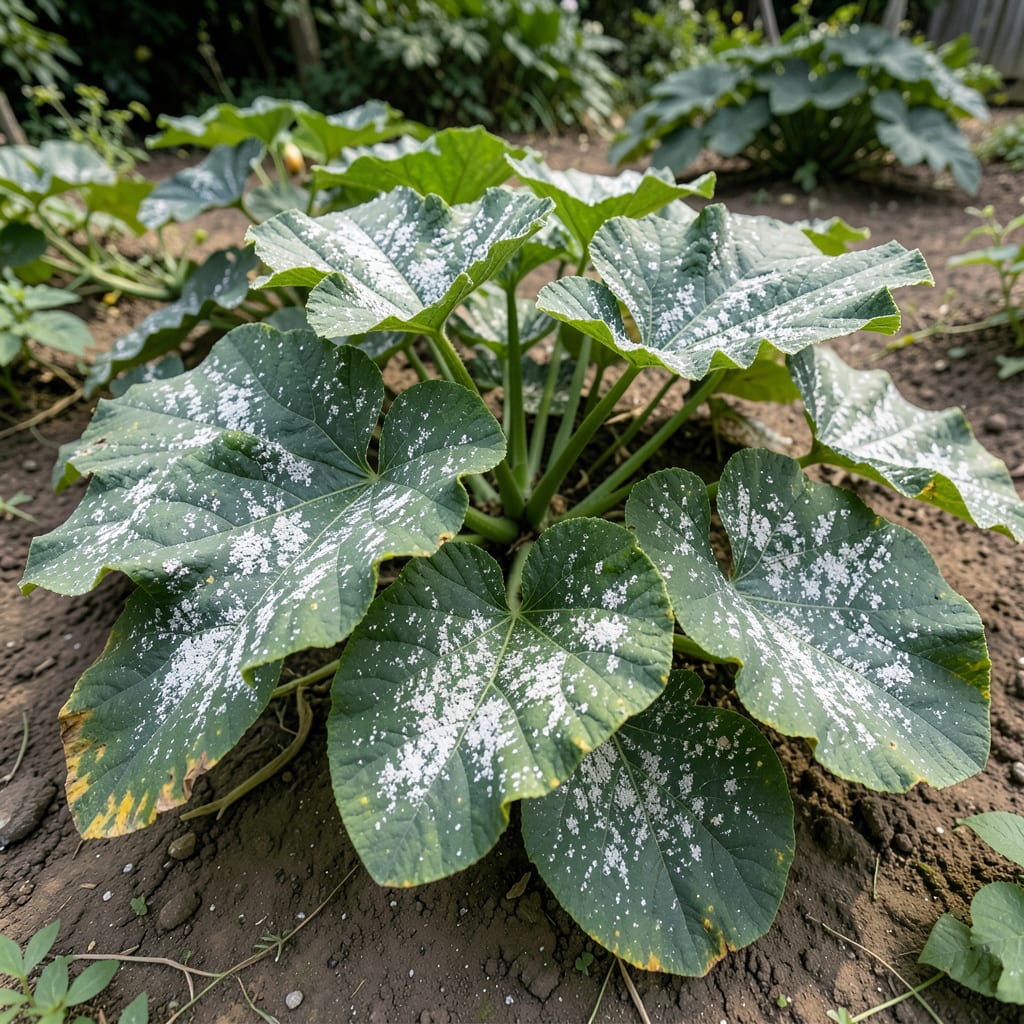
White spots on your squash leaves mean trouble. I’ve lost entire plants to mildew before learning to catch it early—now I spot the first pale patches before they spread.
The problem starts with damp leaves and poor airflow. Squash plants are especially vulnerable in humid weather, and once mildew takes hold, it can choke out new growth within days.
Natural fixes like baking soda sprays and improved spacing work surprisingly well. I’ve saved plants with just 2-3 treatments and better watering habits.
Early action prevents a full-blown outbreak. The key is checking leaves daily and acting at the first sign of fuzz or discoloration.
Mildew on squash leaves often stems from environmental and biological factors that create ideal conditions for fungal growth. Here’s why it happens:
Squash plants thrive in warm, dry conditions, but powdery mildew (the most common culprit) flourishes in high humidity (60-80%) and stagnant air. When leaves stay damp for extended periods—whether from overhead watering, crowded plantings, or rainy weather—spores germinate and spread rapidly. Solution: Space plants 2-3 feet apart and water at the base in the morning to allow foliage to dry quickly.
Wetting the leaves during irrigation creates a moist microclimate that invites fungal spores to take hold. Unlike soil-borne pathogens, powdery mildew doesn’t require free water to infect—but dampness accelerates its spread. Actionable fix: Switch to drip irrigation or soaker hoses to keep foliage dry.
Some squash cultivars (e.g., zucchini and cucumbers) are genetically more vulnerable to mildew due to their dense canopies and soft leaf tissues. Fungal spores, like Podosphaera xanthii, exploit these traits, especially in late summer when plants are stressed. Pro tip: Opt for resistant varieties like ‘Powdery Mildew Resistant’ (PMR) cucumbers or ‘Costata Romanesco’ zucchini.
Fallen leaves or untreated infected foliage harbor overwintering spores. If left in the garden, these spores reinfect new growth the following season. Key step: Remove and destroy (do not compost) mildewed leaves immediately to break the disease cycle.
Mildew on your squash plants can be frustrating, but these targeted fixes will help restore their health. Address the issue quickly to prevent spread and keep your garden thriving.
Prune overcrowded leaves and vines to allow better airflow. Space plants at least 2-3 feet apart to reduce humidity buildup. Use a small fan on low settings in greenhouses to keep air moving. Prevention tip: 💡 Plant squash in open, breezy areas from the start.
Water at the base of the plant early in the day so leaves dry quickly. Avoid overhead watering, which wets foliage and invites mildew. Use drip irrigation or a soaker hose for precise hydration. Prevention tip: 🌡️ Check soil moisture with your finger—only water if the top inch is dry.
Spray affected leaves with a mix of 1 tablespoon baking soda, 1 quart water, and a few drops of dish soap. Repeat every 7-10 days until mildew clears. For severe cases, use neem oil (follow label instructions). Prevention tip: ✨ Remove fallen leaves and debris to eliminate fungal hiding spots.
Strengthen plants with a balanced fertilizer (10-10-10) to support overall health. Avoid high-nitrogen feeds, which promote leafy growth but weaken disease resistance. Prevention tip: 🎯 Rotate crops annually to prevent soil-borne fungi from recurring.
Powdery mildew appears as white, powdery spots on top of leaves, while downy mildew shows yellow patches with fuzzy growth underneath. Powdery thrives in dry conditions, downy prefers wet.
Yes, fungal spores travel easily via wind, water, or garden tools. Isolate infected plants and disinfect tools between uses. Remove affected leaves immediately to contain it.
Yes, the fruit remains safe to eat if you wash it thoroughly. Focus on treating the leaves—mildew doesn’t affect the edible parts directly.
A baking soda solution (1 tablespoon in 1 quart water with dish soap) works in 2-3 applications. Spray every 7-10 days until clear.
