
Beautiful Plants For Your Interior
Beautiful Plants For Your Interior
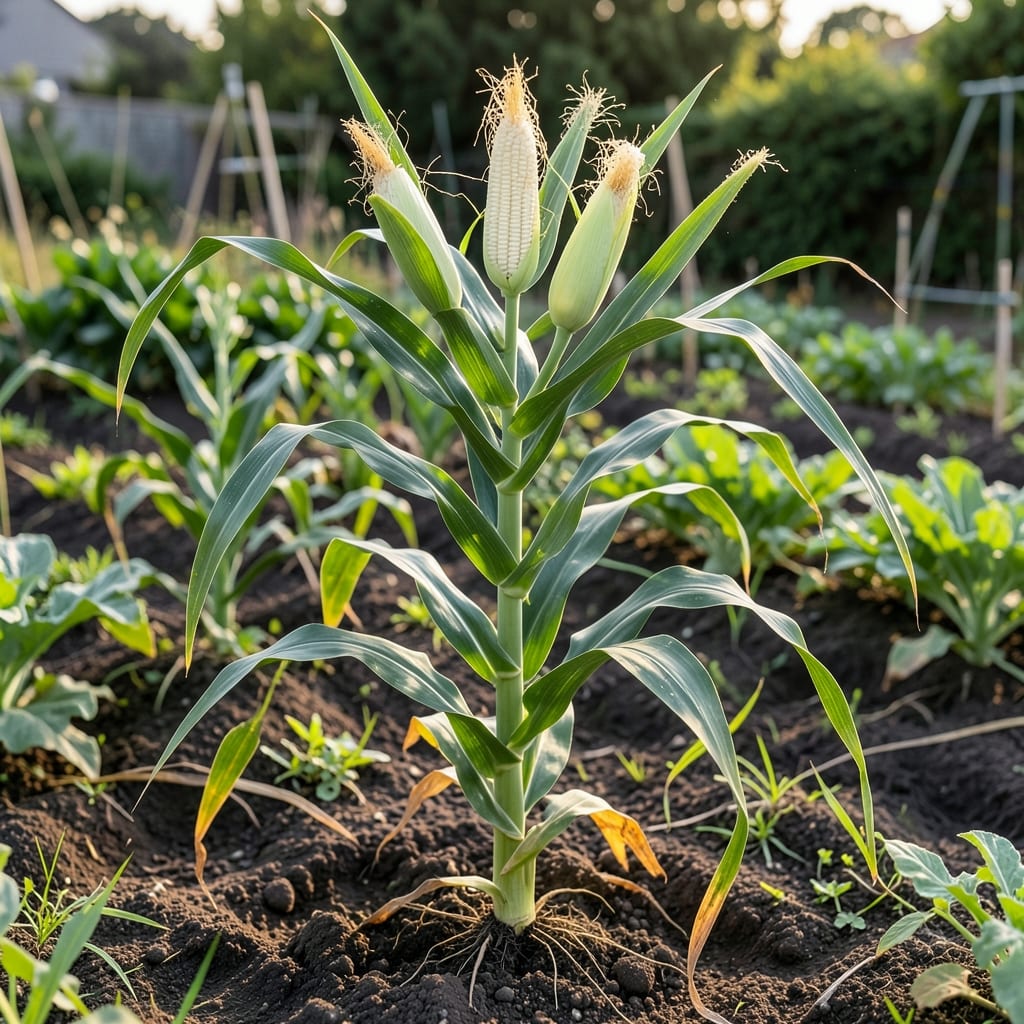
There’s nothing like the taste of homegrown Mexican white corn. I’ve been growing this variety for years, and the sweet, tender kernels make all the effort worthwhile.
This project thrives in warm climates with full sun and well-drained soil. With the right care, you’ll harvest plump, flavorful ears that outshine anything from the store.
📚 In This Guide
This method ensures healthy plants and a bountiful harvest with minimal fuss.
Choose a location with full sun exposure—corn needs at least 6-8 hours of direct sunlight daily. The soil should be well-draining and rich in organic matter. I always work in a 2-3 inch layer of compost to boost fertility before planting.
Test the soil by digging a small hole and filling it with water. If it drains within 1-2 hours, you’re good to go. If not, mix in some coarse sand to improve drainage. Avoid planting in areas where corn grew the previous year to reduce disease risk.
Sow seeds 1-2 inches deep and space them 4-6 inches apart in rows that are 2-3 feet apart. Corn is wind-pollinated, so planting in blocks of at least 3-4 rows ensures better pollination and fuller ears.
I plant seeds in small clusters of 2-3 seeds per hole and thin to the strongest seedling once they reach 3-4 inches tall. This gives each plant room to grow without competition. Water gently after planting to settle the soil around the seeds.
Corn has shallow roots, so it needs consistent moisture, especially during tasseling and ear formation. Water deeply once or twice a week, providing about 1-1.5 inches of water each time. The goal is to keep the soil evenly moist but not waterlogged.
Check the soil by sticking your finger 1 inch deep—if it feels dry, it’s time to water. I water in the early morning to reduce evaporation and prevent fungal issues. Avoid wetting the leaves to minimize disease risk.
When plants reach knee-high (about 2-3 feet tall), apply a balanced organic fertilizer to support growth. I use a 10-10-10 formula and work it lightly into the soil around the base of the plants.
Watch for signs of nutrient deficiency, like yellowing leaves, which may indicate a need for nitrogen. Also, keep an eye out for pests like corn earworms or aphids. If you spot any, remove them by hand or use organic pest control methods.
Mexican white corn is ready to harvest when the silks turn brown and dry and the ears feel plump when gently squeezed. This usually happens 20-25 days after silks appear. I check a few ears by peeling back the husk slightly to confirm the kernels are full and milky.
Harvest in the morning when the ears are cool and the sugars are at their peak. Twist the ear downward and pull it away from the stalk. Eat or preserve the corn as soon as possible for the best flavor—it loses sweetness quickly after picking.
Here’s what I’ve learned from seasons of growing this crop to ensure success.
The Sunlight Secret: The 6-8 hours of direct sunlight requirement in Step 1 isn’t just a suggestion—it’s critical. I once tried a partially shaded spot, and the ears were half the size. If your garden doesn’t get full sun, consider containers you can move to follow the light.
Planting Depth Matters: In Step 2, sowing seeds 1-2 inches deep is the sweet spot. Too shallow, and they dry out. Too deep, and they struggle to emerge. I use my finger to measure—knuckle-deep is about right for the 1-inch mark.
Watering Wisdom: The 1-1.5 inches of water per session in Step 3 should be deep, not frequent. Shallow watering encourages weak roots. I set out a tuna can in the garden to measure—when it fills, I’ve hit my target.
Fertilizer Timing: In Step 4, the knee-high stage (about 2-3 feet tall) is your cue to fertilize. Applying too early can burn young plants, and too late won’t help ear development. I mark my calendar when I plant so I don’t forget this critical window.
Mexican white corn is a staple for making authentic tortillas, tamales, and pozole. Its soft, starchy texture also works well in soups, stews, and traditional dishes like atoles or elotes.
Typically, Mexican white corn matures in 80–120 days, depending on the variety and growing conditions. Ensure consistent watering and full sun for the best yields.
While possible, the flavor and texture differ. White corn is sweeter and softer, ideal for traditional recipes. Yellow corn may alter the taste and color of dishes like tortillas.
Yellowing leaves often signal nutrient deficiencies (nitrogen or magnesium), overwatering, or pests. Test soil, adjust watering, and check for pests like aphids or corn borers.
Yes! Like all corn, Mexican white corn is naturally gluten-free, making it a safe choice for those with gluten sensitivities or celiac disease.