
Beautiful Plants For Your Interior
Beautiful Plants For Your Interior
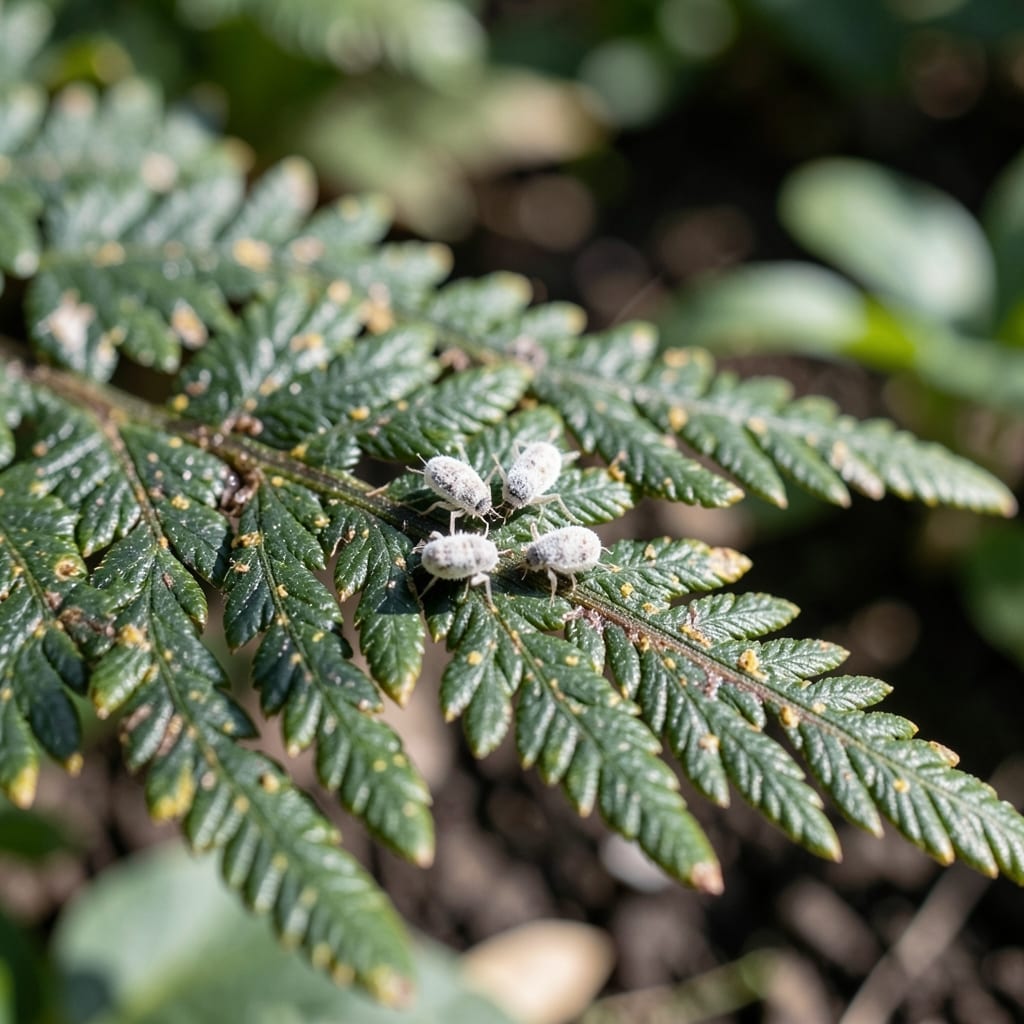
White cottony clusters on your Woodwardia fern’s fronds mean trouble. I spotted my first mealybug infestation last summer and panicked—until I found the simple solution that saved my plant without harsh chemicals.
These pests drain sap from the fronds, causing yellowing and stunted growth. The good news? A few household items and consistent treatment can turn the tide. I use a soft cloth dipped in soapy water to remove visible bugs first.
After the initial cleanup, a weekly neem oil spray keeps them from returning. Within 2-3 weeks, new growth appears and the fern regains its vibrant green color. The key is catching them early.
Prevention works better than treatment. Regularly inspect new plants and keep your Woodwardia in a spot with good air circulation. Healthy fronds resist pests naturally.
Mealybugs thrive on Woodwardia ferns due to a combination of environmental and cultural factors. Understanding these triggers helps prevent and manage outbreaks effectively.
Dense foliage or tightly packed plants create a humid, sheltered environment—ideal for mealybugs. These pests spread rapidly in stagnant air, as natural predators (like ladybugs) struggle to reach them. Thin out fronds and space ferns appropriately to improve airflow and reduce hiding spots.
Woodwardia ferns love moisture, but soggy soil or excessive humidity (above 60%) encourages mealybug proliferation. Overwatering weakens the plant, making it more susceptible to infestation. Allow the top inch of soil to dry between waterings and use a well-draining mix to discourage pests.
Over-fertilizing with nitrogen-rich products promotes lush, soft growth—mealybugs’ favorite food. Conversely, potassium-deficient ferns lack resilience against pests. Switch to a balanced, slow-release fertilizer and avoid heavy nitrogen applications to toughen plant tissues.
In outdoor ponds or gardens, mealybugs explode in numbers when beneficial insects (e.g., lacewings, parasitic wasps) are absent. Pesticides often kill these allies first. Introduce predator insects or use neem oil (which disrupts mealybug life cycles without harming helpers) to restore balance.
Mealybugs can be stubborn, but these targeted fixes will help you reclaim your Woodwardia fern’s health. Address the issue as soon as you spot the white, cottony clusters to prevent further damage.
If the mealybugs are few, start with a hands-on approach. Dip a cotton swab in rubbing alcohol (70% isopropyl) and gently dab each pest. This dissolves their protective coating and kills them on contact. For larger clusters, use a soft toothbrush dipped in alcohol to dislodge them. Prevention tip: Inspect new plants before introducing them to your pond area to avoid spreading pests.
Mix 1 teaspoon of mild liquid soap (like Castile) with 1 liter of water and spray the solution directly onto the affected fronds. The soap breaks down the mealybugs’ waxy layer, causing them to dehydrate. Apply every 3–4 days until the infestation clears. Prevention tip: Avoid over-fertilizing, as excessive nitrogen can attract mealybugs.
Encourage beneficial insects like ladybugs, lacewings, or parasitic wasps, which feed on mealybugs. If your fern is in a controlled environment (like a greenhouse), consider purchasing these predators from a garden center. Prevention tip: Plant companion species like marigolds or yarrow to attract these helpful bugs.
Neem oil is a powerful natural insecticide. Mix 1 tablespoon of neem oil with 1 teaspoon of dish soap and 1 liter of water, then spray evenly over the fern. Reapply every 7–10 days until the pests are gone. Prevention tip: Apply neem oil preventatively every month during growing season to deter future infestations.
Pro tip 💡: Always test treatments on a small section of the fern first to ensure it doesn’t cause leaf burn.
For soap sprays, reapply every 3-4 days until pests disappear. Neem oil works best every 7-10 days for active infestations. Consistency is key to breaking their life cycle.
Avoid harsh chemicals—they can damage fronds. Stick to mild soap, neem oil, or 70% isopropyl alcohol for safe, effective treatment. Always spot-test first.
Reinfestation often means hidden eggs or poor air circulation. Check undersides of fronds and improve airflow. Introduce beneficial insects like ladybugs for long-term control.
Neem oil and soap sprays are generally safe for most aquatic plants. However, avoid treating during peak bloom to protect pollinators.