
Beautiful Plants For Your Interior
Beautiful Plants For Your Interior
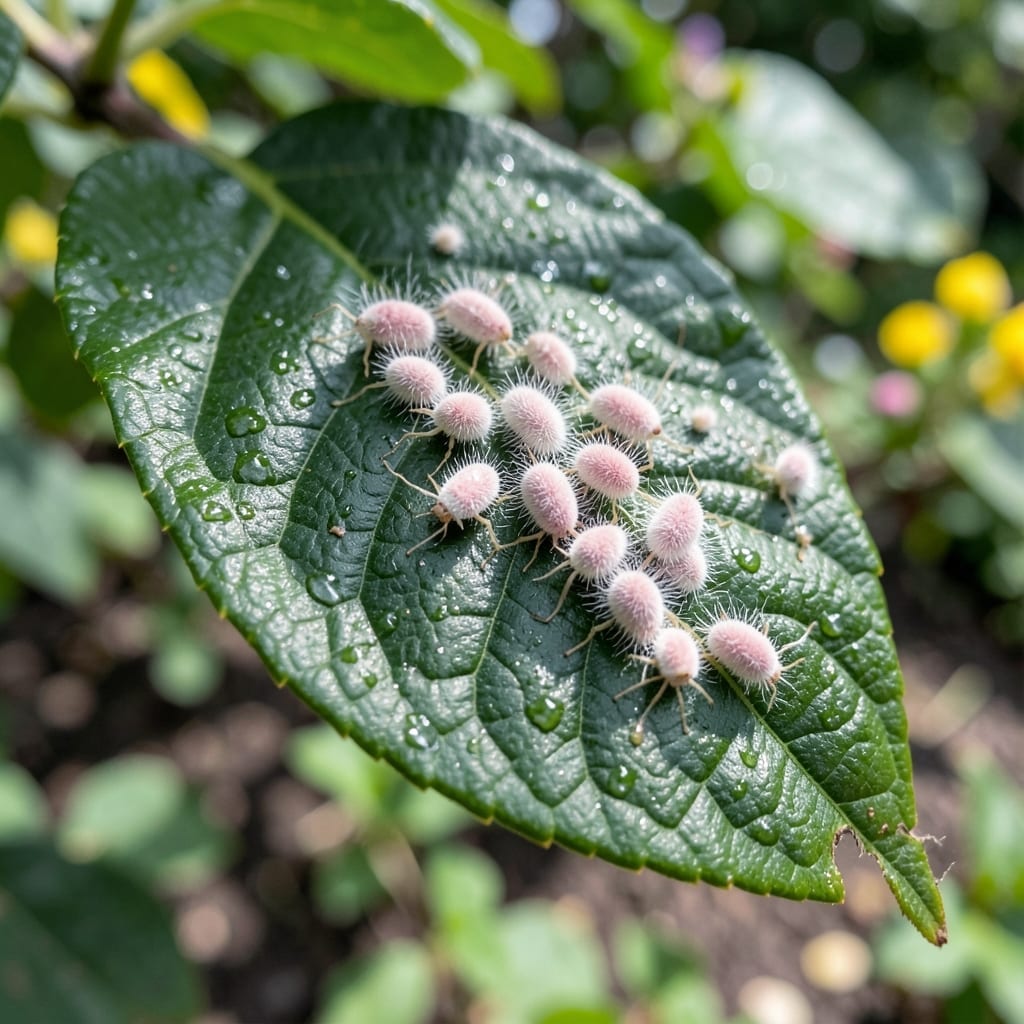
White cottony clusters on your viburnum leaves mean trouble. 🌿 I first noticed these fuzzy pests last spring when my shrubs looked dusted with powdered sugar—except this wasn’t sweet at all.
Mealybugs drain plant sap, stunting growth and leaving sticky residue that attracts sooty mold. They hide in leaf axils and stem crevices, often going unnoticed until the infestation spreads. Catching them early saves your plants from serious damage.
With the right approach, you can clear them out in 2-3 weeks. Organic options like insecticidal soap or neem oil work well, while systemic treatments tackle stubborn cases. The key is thorough coverage and repeated applications.
Your viburnum can recover fully with consistent treatment. I’ve saved mine three seasons running using these methods—no chemicals required.
Mealybugs thrive on Viburnum plants due to a mix of environmental, biological, and cultural factors. Understanding these causes helps prevent and control infestations effectively.
Dense foliage restricts airflow and sunlight, creating a humid, shaded environment that mealybugs love. Viburnum shrubs left unpruned often develop thick canopies, which trap moisture and provide hiding spots for pests. Regular thinning and pruning improve ventilation and reduce pest-friendly conditions.
Mealybugs flourish in damp conditions. Overwatering, poor drainage, or frequent rain can lead to waterlogged soil and high humidity around the plant. Viburnum roots in soggy soil stress the plant, weakening its defenses. Ensure proper drainage and avoid overhead watering to discourage mealybug reproduction.
In balanced ecosystems, predators like ladybugs, lacewings, and parasitic wasps keep mealybug populations in check. However, excessive pesticide use or a lack of biodiversity can eliminate these beneficial insects. Introducing or preserving natural predators helps restore ecological balance and suppress mealybugs.
Viburnum plants weakened by nutrient deficiencies (e.g., nitrogen or potassium) or environmental stressors (drought, extreme temperatures) are more susceptible to pests. Mealybugs target stressed plants because their weakened state reduces resistance. Fertilize appropriately and maintain consistent care to keep viburnum healthy and resilient.
Mealybugs can be stubborn, but these targeted fixes will help you reclaim your viburnum’s health. Tackle the issue based on the severity and your preferred method—natural or chemical.
If you spot mealybugs early, prune heavily infested stems or leaves and dispose of them in sealed bags to prevent spread. For smaller clusters, dip a cotton swab in rubbing alcohol (70% isopropyl) and dab the pests directly. The alcohol dissolves their protective coating, killing them on contact. Repeat every few days until they’re gone.
Mix 1 tablespoon of mild liquid soap (like Castile) with 1 quart of water and spray the plant thoroughly, focusing on undersides of leaves and stem joints where mealybugs hide. Reapply every 4–7 days. For a stronger option, use neem oil (1 tablespoon per gallon of water) as both a treatment and preventative. Always spray in the evening to avoid leaf burn from the sun.
For large or recurring infestations, use insecticidal soap (follow label instructions) or a systemic insecticide containing imidacloprid. Systemics are absorbed by the plant, killing pests that feed on it. Apply as a soil drench for long-term control, but avoid using these if pollinators frequent your viburnum.
Consistency is key—mealybugs can rebound if not fully eradicated. Stick with your chosen method for at least 2–3 weeks to break their life cycle.
Look for white, cottony clusters in leaf axils and stem joints. A sticky residue on leaves or sooty mold growth are also telltale signs of an infestation.
Use neem oil or insecticidal soap in the evening when pollinators are less active. Avoid systemic insecticides if bees visit your viburnum.
Mealybugs hide in hard-to-reach spots and lay eggs in protected areas. Repeat treatments every 4-7 days for 2-3 weeks to break their life cycle.
Encourage ladybugs and lacewings by planting pollinator-friendly flowers nearby. Keep the area clean and inspect new plants before introducing them.