
Beautiful Plants For Your Interior
Beautiful Plants For Your Interior
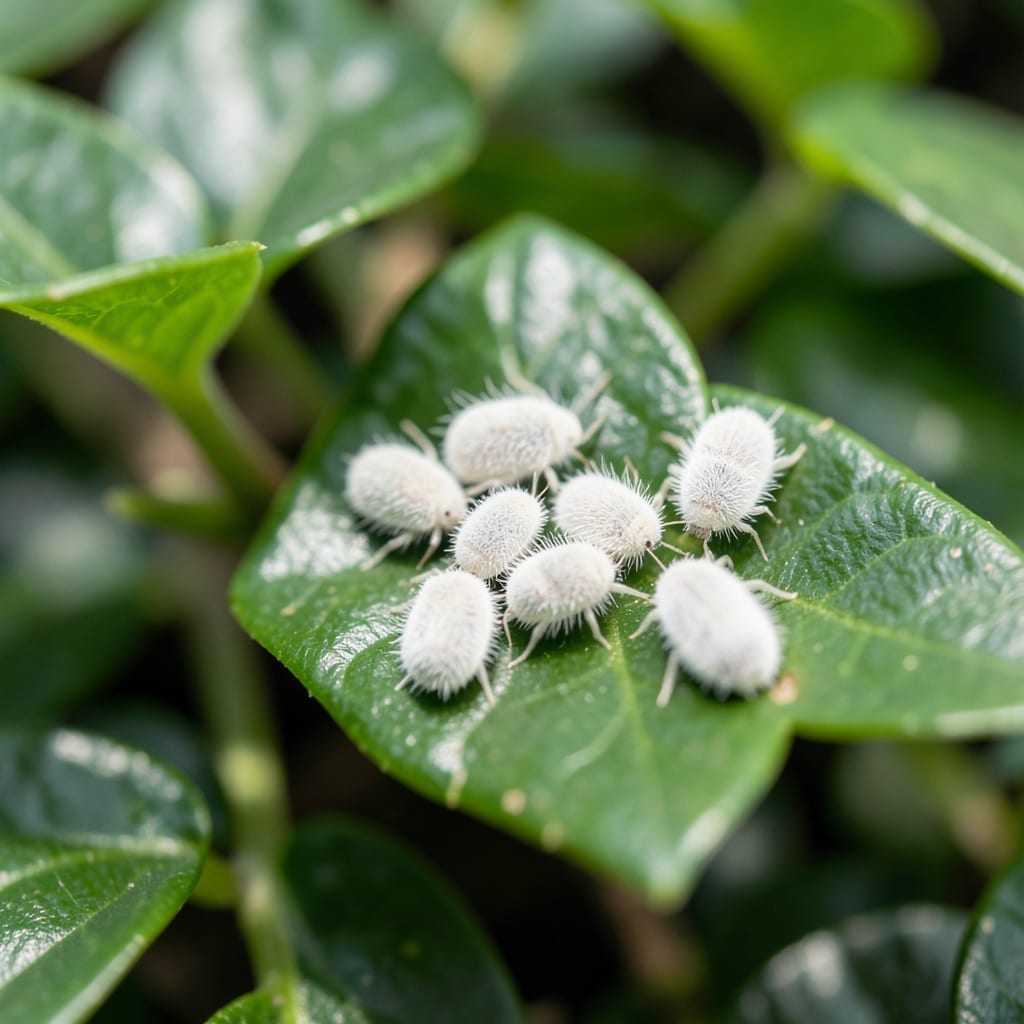
White cottony clusters on your Swedish ivy mean trouble. 🌿 Mealybugs spread fast, but I’ve turned infested plants around with a few targeted moves.
The key is catching them early—check leaf undersides and stem joints weekly. A cotton swab dipped in rubbing alcohol removes visible bugs instantly, and it’s 100% organic.
For heavier infestations, insecticidal soap or neem oil works without harming the plant. I’ve saved even near-dead ivy with consistent treatment.
Prevention is simpler than cure: isolate new plants, avoid overwatering, and keep air circulating. Your ivy will thank you with lush, unblemished growth.
Mealybugs thrive on Swedish ivy due to a mix of environmental and plant health factors. Understanding these triggers helps prevent future outbreaks.
Low humidity (<40%) weakens the plant’s natural defenses. Mealybugs exploit dry, stressed foliage, as the plant’s reduced sap flow makes it easier for them to feed and multiply. Plectranthus verticillatus (Swedish ivy) prefers moderate humidity—consistent dryness invites infestations.
Excess moisture creates a paradox: while mealybugs prefer dry air, they love roots in soggy soil. Overwatering stresses the plant, reducing its ability to resist pests. Poor drainage also fosters fungal growth, which can attract mealybugs seeking secondary infections.
Dense foliage limits airflow, trapping moisture and creating microclimates ideal for mealybugs. Unpruned Swedish ivy develops thick, tangled stems where pests hide undetected. Regular trimming improves ventilation and reduces hiding spots.
Nutrient deficiencies (especially nitrogen or potassium) or sudden environmental changes (e.g., temperature swings) compromise the plant’s resilience. Mealybugs target vulnerable specimens, as stressed plants produce fewer defensive compounds like terpenes.
Mealybugs often hitchhike on newly purchased or gifted plants. Swedish ivy placed near infected neighbors (e.g., succulents, ferns) risks cross-contamination. Always quarantine new additions for 2–3 weeks to monitor for pests.
Mealybugs can be stubborn, but these targeted solutions will help you reclaim your Swedish ivy’s health. Address each issue with the right fix, and add prevention habits to keep them from coming back.
Catch them early with a cotton swab dipped in 70% isopropyl alcohol. Gently dab each mealybug to dissolve its protective coating. Repeat every 2–3 days for a week to break their life cycle. For hard-to-reach spots, use a soft toothbrush soaked in alcohol.
Mix 1 tablespoon of insecticidal soap or neem oil with a quart of water. Spray all leaf surfaces, stems, and soil (mealybugs hide in crevices!). Reapply every 4–5 days for 2 weeks. Pro tip 💡: Test on a small leaf first to check for sensitivity.
If the roots are affected, remove the plant from its pot and gently rinse the roots under lukewarm water. Trim any damaged roots, then repot in fresh, sterile soil. Discard the old soil to prevent reinfestation.
Look for white, cottony clusters in leaf axils or stem joints. You might also notice sticky residue on leaves or a sooty mold growing on that residue. Check the undersides of leaves weekly for early detection.
Yes, mix 1 teaspoon mild dish soap with 1 liter of water. Spray thoroughly and repeat every 4-5 days for 2 weeks. Avoid harsh soaps that can damage the plant.
Reinfestation often happens from untreated soil or nearby plants. Always isolate affected plants and treat the soil with neem oil. Check neighboring plants for hidden pests.
No, 70% isopropyl alcohol is safe when used as a spot treatment. Test on one leaf first, then apply directly to pests with a cotton swab. Avoid spraying entire leaves.