
Beautiful Plants For Your Interior
Beautiful Plants For Your Interior
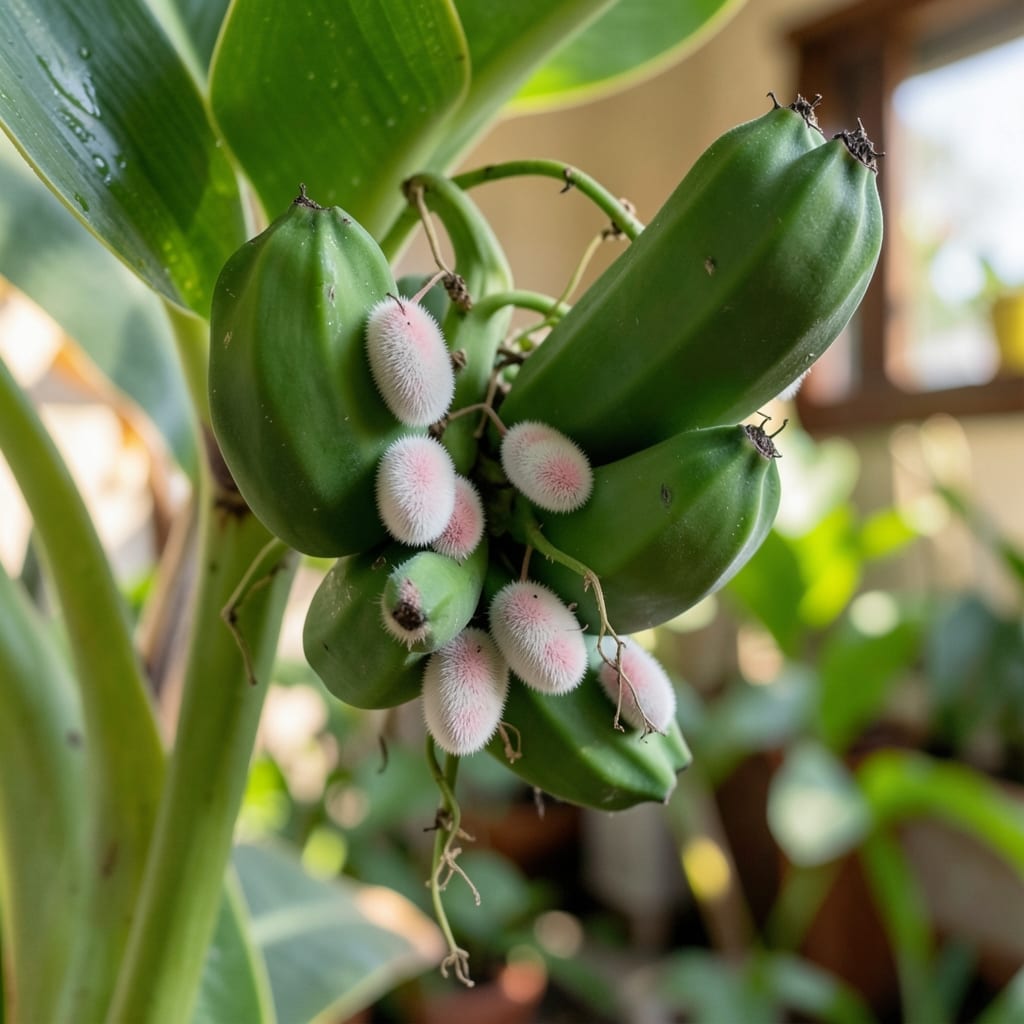
That white cottony stuff on your string of bananas isn’t dust. It’s mealybugs, and they’re stealing your plant’s strength while you sleep.
I first noticed the sticky residue on my windowsill before seeing the bugs themselves. The infestation spreads fast, but the organic solutions work even faster if you catch it early.
Your plant will bounce back with healthy growth once you remove the pests and their eggs. The process takes 10 minutes and uses items you likely have at home.
Prevention is simpler than treatment, and I’ll share the routine that’s kept mine bug-free for 2 years.
Mealybugs thrive on String of Bananas (Senecio radicans) due to a few key environmental and cultural factors. Understanding these causes helps prevent future outbreaks and keeps your plant healthy. Below are the most common triggers:
These pests prefer stable, moderate humidity but can explode in populations when conditions are too dry (weakening the plant) or excessively humid (encouraging fungal growth, which attracts mealybugs). Indoor heating or poor air circulation often creates the perfect breeding ground.
Soggy soil stresses the plant, reducing its natural defenses. Mealybugs are drawn to weakened, waterlogged roots and the soft growth that results from overwatering. Ensure your String of Bananas is in well-draining soil and a pot with drainage holes.
Stagnant air traps moisture and prevents pests from being dislodged. String of Bananas planted in dense arrangements or crowded spaces are highly susceptible. Improve airflow with a small fan or by spacing plants apart.
Over-fertilizing, especially with high-nitrogen feeds, promotes lush but tender new growth—mealybugs’ favorite snack. Conversely, under-fertilized plants lack vigor to resist infestations. Use a balanced, diluted fertilizer during the growing season.
Mealybugs often hitchhike on unsterilized potting mix or gardening tools. Always use pasteurized soil and clean tools with rubbing alcohol between uses to avoid introducing pests to healthy plants.
Tackle mealybugs on your string of bananas with these targeted, organic solutions. Start by isolating the affected plant to prevent the pests from spreading to nearby greenery. Act fast—these bugs multiply quickly!
For small infestations, grab a pair of tweezers or a cotton swab dipped in rubbing alcohol (70% isopropyl). Gently remove visible mealybugs, focusing on leaf axils, stems, and the undersides of leaves where they love to hide. Wipe down the plant with a damp cloth afterward to remove residue.
💡 Pro Tip: Check the soil too—mealybugs can burrow into the roots. If you spot them, repot the plant in fresh, sterile soil.
For larger outbreaks, mix a solution of 1 part neem oil to 4 parts water with a few drops of dish soap (as an emulsifier). Spray thoroughly, coating all surfaces—mealybugs suffocate when their waxy layer breaks down. Reapply every 5–7 days until the pests are gone.
Alternative: Use insecticidal soap (ready-made or DIY with 1 tbsp mild soap per quart of water). Spray directly on bugs, avoiding the soil. Test on a small leaf first to check for sensitivity.
✨ Key Reminder: Consistency is critical—repeat treatments until all life stages (eggs, nymphs, adults) are eliminated.
Look for white cottony clusters in leaf joints and stem crevices. Sticky residue on leaves or the pot is another sign. Check weekly to catch them before they spread.
Vinegar can harm your plant. Stick to rubbing alcohol or neem oil solutions for safe, effective treatment. Always test on a small area first.
They hide in soil or nearby plants. Isolate infested plants, repot in fresh soil, and treat all plants in the area to break the cycle.