
Beautiful Plants For Your Interior
Beautiful Plants For Your Interior
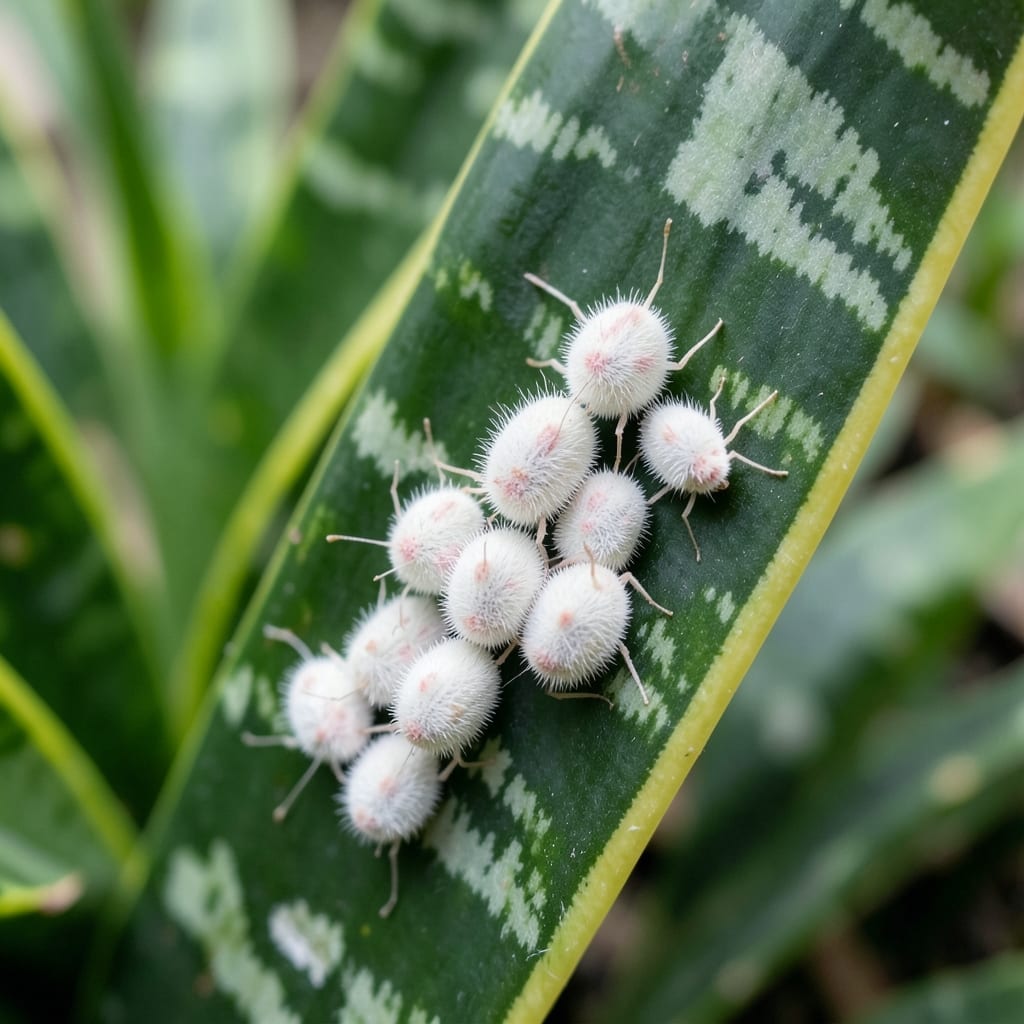
White fuzz in your snake plant’s nooks means trouble. I’ve battled these pests more times than I care to admit, and early action is everything.
Mealybugs spread fast, sucking sap and leaving sticky residue that attracts mold. They love hiding in leaf axils and under pots, so a flashlight and magnifying glass help spot them before they multiply.
Simple fixes work: dab with rubbing alcohol, spray with soapy water, or isolate the plant. Prevention is easier than cure—keep leaves clean and check new plants before they join your collection.
Your snake plant can recover completely with consistent treatment. The key is catching them early and staying vigilant.
Mealybugs thrive on snake plants due to a few key environmental and care-related factors. Understanding these causes helps you prevent and address outbreaks effectively.
Snake plants (Sansevieria) are drought-tolerant, but excess moisture creates ideal conditions for mealybugs. Overwatered soil or pots without drainage holes lead to root stress, weakening the plant’s natural defenses. Mealybugs are drawn to stressed plants, where they feed on sap and multiply rapidly.
While snake plants tolerate low light, prolonged exposure to dim environments weakens their resilience. Reduced photosynthesis slows growth and lowers the plant’s ability to resist pests. Mealybugs exploit this vulnerability, targeting the plant’s soft tissues, such as leaf axils and undersides.
Mealybugs flourish in warm, humid environments (above 70°F/21°C and 60% humidity). Snake plants kept in bathrooms, greenhouses, or poorly ventilated spaces are at higher risk. Stagnant air prevents natural predators (like ladybugs) from controlling the pest population, allowing infestations to spread unchecked.
Mealybugs often hitchhike on new plants, potting mix, or gardening tools. Introducing infected soil or a contaminated snake plant to your collection can quickly spread the pests. Always quarantine new additions and inspect them thoroughly before placing them near healthy plants.
Tackling mealybugs on your snake plant is simpler than you think. Below are targeted solutions for each stage of infestation, plus prevention tips to keep them from returning.
If you spot a few mealybugs, act fast. Dip a cotton swab in rubbing alcohol (70% isopropyl) and dab each bug to dissolve their protective coating. Wipe the leaves with a damp cloth afterward to remove residue. Repeat every 2-3 days until they’re gone.
For larger outbreaks, mix 1 part neem oil or insecticidal soap with 4 parts water in a spray bottle. Lightly mist the plant, focusing on leaf axils and soil surfaces where mealybugs hide. Apply weekly for 3-4 weeks. Pro tip: Test a small area first to avoid leaf burn.
If the plant is heavily infested, quarantine it immediately to prevent spreading. Remove visible bugs manually, then treat with a systemic insecticide (like imidacloprid) for deep-rooted protection. Follow the product’s instructions carefully.
Consistency is key! A mix of vigilance and quick action will keep your snake plant healthy and mealybug-free.
Look for white, cottony clusters in leaf axils or under leaves. You might also notice sticky residue or black sooty mold, which mealybugs leave behind as they feed.
Yes! Isolate the plant, remove visible bugs with rubbing alcohol, then treat with systemic insecticide. Repeat treatments weekly for 3-4 weeks to break their life cycle.
Neem oil smothers and disrupts mealybug feeding. Mix 1 part neem oil with 4 parts water, spray thoroughly, and reapply every 7 days until gone.
Quarantine new plants for 2-3 weeks, avoid overwatering, and wipe leaves regularly. Use diatomaceous earth around the base as a natural barrier.