
Beautiful Plants For Your Interior
Beautiful Plants For Your Interior
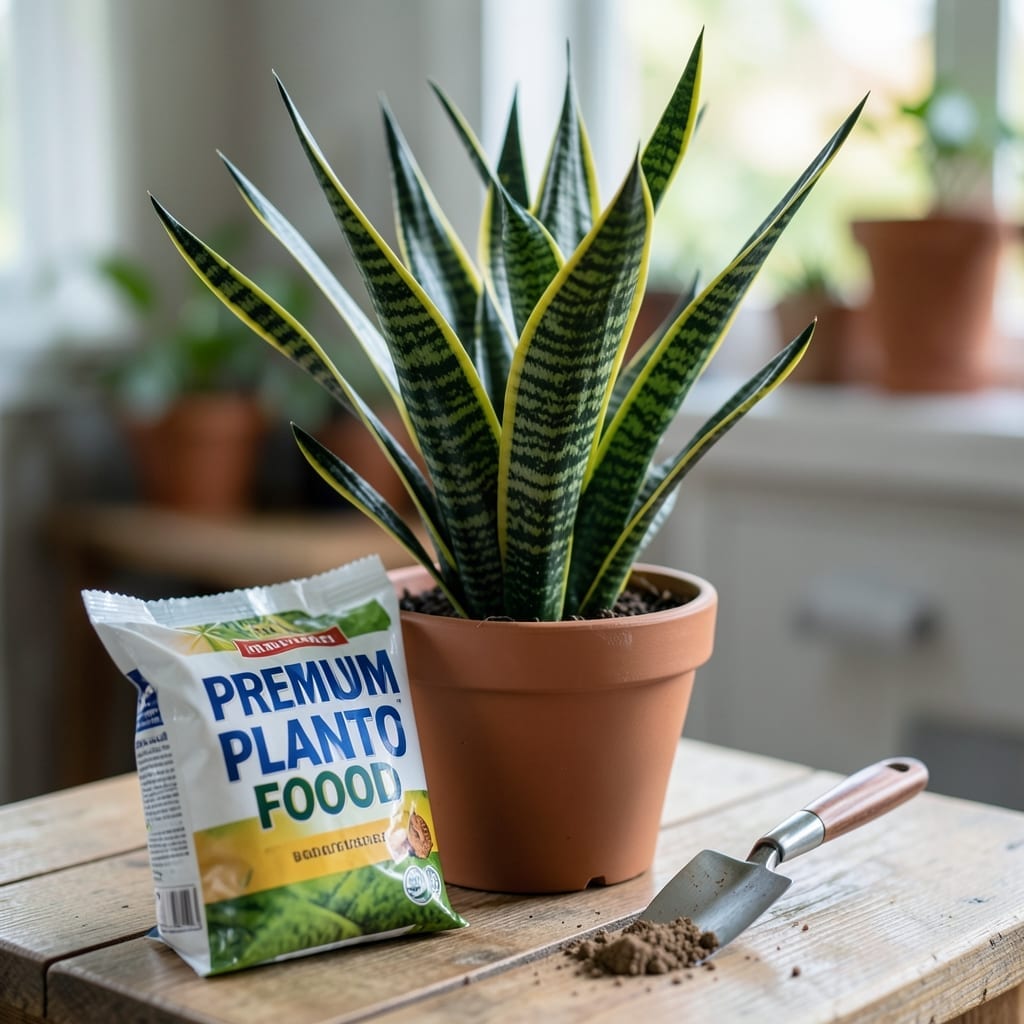
Snake plants are famous for their low-maintenance nature, but even these resilient houseplants need a little nutritional boost to thrive. The 🌿 Snake Plant you love might be missing out on its full potential.
Knowing when to give it that extra nourishment can transform your plant from merely surviving to absolutely flourishing. It’s not about constant care—it’s about timing.
I’ll show you the most effective approach that aligns with your plant’s natural growth cycles. No more guessing games about when to feed it.
Discover how a simple seasonal schedule can make all the difference in your Snake Plant’s health and vitality.
I’ve found that snake plants thrive best with a seasonal fertilizing approach. These hardy plants don’t need much, but timing your feeding right can boost their growth and vibrancy.
During spring and summer, your snake plant is in its active growth phase, making it the perfect time to fertilize. Aim for every 4-6 weeks with a balanced, diluted fertilizer.
| Season | Fertilizing Frequency | Notes |
|---|---|---|
| Spring | Every 4-6 weeks | Use light feeding as growth resumes |
| Summer | Every 4-6 weeks | Active growth – fertilize regularly |
| Fall | Every 8-10 weeks | Reduce feeding as growth slows |
| Winter | None | Dormant period – skip fertilizing |
In fall, your plant begins to slow down, so I recommend cutting back to every 8-10 weeks. This helps avoid overfeeding as the plant prepares for dormancy.
Winter is a no-go for fertilizing. Snake plants enter dormancy, and adding fertilizer can damage the roots or cause stress.
For best results, I use a balanced liquid fertilizer diluted to half strength. This prevents nutrient burn while still providing essential nutrients.
Always fertilize in the early morning when the soil is slightly moist. This helps the plant absorb nutrients more effectively without shocking the roots.
If you notice yellowing leaves or slow growth, it might be a sign your snake plant needs a feeding boost. But remember, less is more with these resilient plants.
Over-fertilizing can lead to salt buildup in the soil, which harms the plant. I always flush the soil with water every few months to remove excess salts.
Finally, observe your plant. If it looks healthy and is growing steadily, stick to the schedule. If not, adjust as needed. Snake plants are forgiving, but consistency is key!
🌿I’ve found that even the hardiest snake plants show subtle signs when they’re craving nutrients. Look for slow growth or pale leaves, which often indicate a need for feeding. However, these plants thrive on neglect, so over-fertilizing can do more harm than good. 🌿
Another red flag is yellowing leaves or brown tips, but these can also signal overwatering or poor drainage. I always check the soil first—if it’s bone-dry and the plant looks lackluster, it might be time for a light fertilizer boost.
⚠️ Hold Off on Fertilizer If:
I recommend fertilizing only during the growing season, typically spring through early fall. Even then, I stick to a diluted liquid fertilizer at half-strength to avoid shocking the plant. Snake plants are survivors, not heavy feeders.
If your plant’s leaves are drooping or the soil smells sour, it’s likely root rot from overwatering, not a lack of fertilizer. In this case, I focus on improving drainage and reducing water before even considering nutrients.
For best results, I apply fertilizer in the early morning when the plant is most receptive. I also ensure the soil is slightly moist beforehand to prevent root burn from concentrated nutrients.
Remember, with snake plants, less is more. If you’re unsure, it’s better to wait and observe. These plants are forgiving and will bounce back once conditions improve. 🌱