
Beautiful Plants For Your Interior
Beautiful Plants For Your Interior
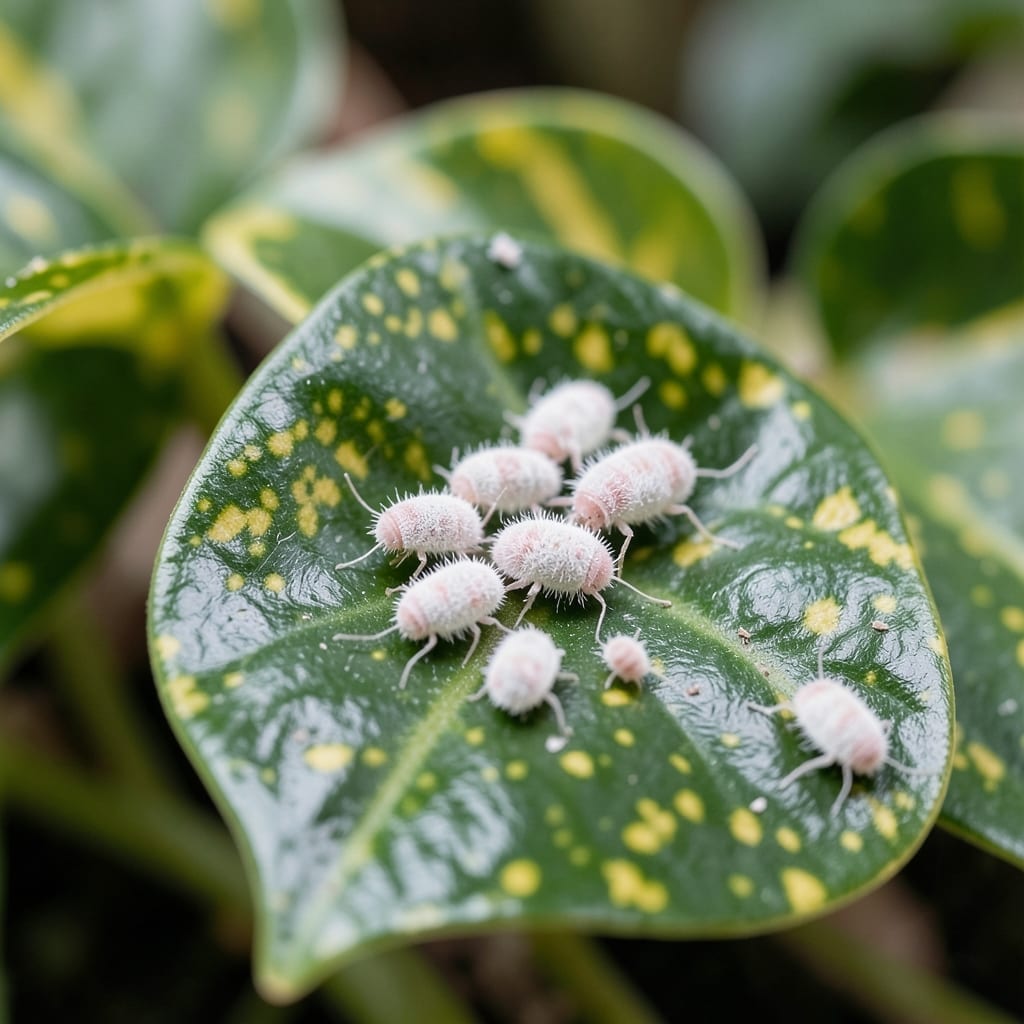
White cottony clusters on your pothos leaves aren’t lint—they’re mealybugs. 🌿 I’ve battled these pests more times than I care to admit, and they always seem to appear when I least expect it.
These sneaky bugs hide in leaf axils and stem joints, sucking plant juices and leaving behind sticky honeydew. Left unchecked, they’ll weaken your plant and spread to others. The good news? They’re easier to control than you think.
With a little persistence and the right approach, you can eliminate mealybugs without harming your pothos. I’ve found that catching them early makes all the difference in saving your plant.
We’ll cover natural solutions that work, plus how to prevent future infestations from taking hold in your indoor garden.
Mealybugs thrive on pothos plants due to several environmental and care-related factors. Understanding these causes helps prevent infestations and keeps your plant healthy. Here’s why they appear:
Mealybugs flourish in warm, low-humidity environments. Pothos plants kept in dry indoor air (especially during winter or in air-conditioned rooms) create an ideal breeding ground. These pests prefer temperatures between 70–80°F (21–27°C) and struggle in cooler or more humid settings.
While pothos are drought-tolerant, overwatering or poor drainage can stress the plant, making it more susceptible to pests. Mealybugs are attracted to weakened plants with soft, waterlogged roots or stems. Ensure your pothos is in well-draining soil and water only when the top inch of soil is dry.
Pothos grown in dense groupings or left untended for long periods are prime targets. Mealybugs spread easily when plants touch, and lack of airflow encourages their growth. Regularly inspect and space out your plants to reduce hiding spots for these pests.
Introducing a new plant without quarantining it first is a common cause. Mealybugs hitchhike on infected plants, tools, or even soil. Always isolate new additions for 2–3 weeks and check for white, cottony clusters before placing them near your pothos.
Dealing with mealybugs on your pothos doesn’t have to be a losing battle. Here’s how to tackle the issue head-on, with practical fixes for every stage of infestation.
If you spot just a few mealybugs, act fast with these steps:
For larger outbreaks, try these effective sprays:
Always test sprays on a small leaf area first to check for sensitivity.
Look for white cottony clusters in leaf axils and stem joints. Check undersides of leaves weekly, as they love hiding in these spots. Early detection makes treatment much easier.
No, 70% rubbing alcohol is safe when used correctly. Dab only the bugs with a cotton swab—avoid soaking leaves. Test on one leaf first if you’re unsure.
For active infestations, apply neem oil spray every 5-7 days until gone. Preventative use can be monthly. Always spray in the evening to avoid leaf burn.
Yes, they spread quickly through direct contact. Isolate infested plants immediately and inspect nearby ones. Mealybugs can also hitch a ride on tools or your hands.