
Beautiful Plants For Your Interior
Beautiful Plants For Your Interior
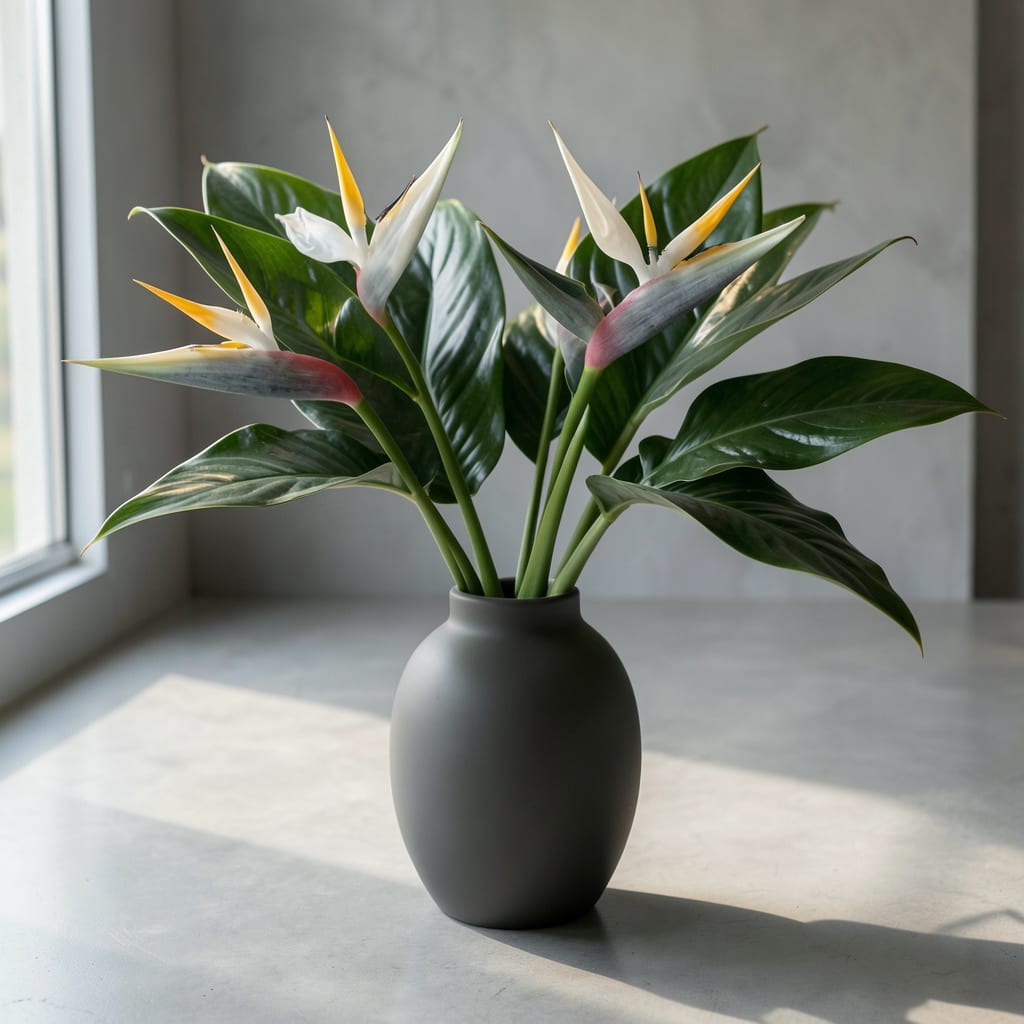
This plant brought the tropics into my living room. The white bird of paradise turns any space into a lush retreat with its bold, glossy leaves.
It thrives with bright, indirect light and minimal fuss. I was shocked how quickly mine grew—just consistent watering and well-draining soil. Within months, you’ll have a stunning focal point that demands attention.
📚 In This Guide
This method delivers lush, tropical foliage that thrives in your home environment.
Choose a spot with bright, indirect light—this plant needs at least 6 hours of quality light daily. A south or west-facing window works best, but avoid direct hot afternoon sun that can scorch the leaves. You’ll see the plant respond quickly to good light with vibrant, upright growth.
If your space lacks natural light, supplement with a full-spectrum grow light positioned 12-18 inches above the plant for 10-12 hours a day. Without enough light, the plant grows slowly and produces smaller leaves. Rotate the pot quarter turn weekly to ensure even growth.
Plant in a well-draining potting mix designed for tropical plants, or create your own blend with 50% standard potting soil and 50% perlite or orchid bark for aeration. This prevents root rot by allowing excess water to drain quickly. A container with multiple drainage holes is non-negotiable.
Select a pot that’s 2-3 inches wider than the current root ball. Too large of a container holds excess moisture that can suffocate roots. The pot material matters too—clay breathes better than plastic, but plastic retains moisture longer, which can be helpful in dry indoor environments.
Water when the top 2-3 inches of soil feel dry to the touch. This usually translates to watering every 7-10 days, but always check the soil first—overwatering is the most common killer of this plant. Use room-temperature water and saturate the soil until it drains from the bottom.
Empty the saucer after 30 minutes to prevent the roots from sitting in water. You’ll know it’s time to water when the leaves start to droop slightly. In winter, reduce watering frequency as the plant’s growth slows. Consistency is key—fluctuating moisture levels cause stress and leaf drop.
This tropical plant thrives in 40-60% humidity. If your home is dry, especially in winter, use a humidifier or place the pot on a tray filled with pebbles and water. The water evaporates around the plant, creating a microclimate. Mist the leaves occasionally, but avoid doing this too often as it can promote fungal issues.
Keep the temperature between 65-80°F during the day and no lower than 55°F at night. Avoid cold drafts from windows or doors, as sudden temperature drops can cause leaf damage. You’ll notice the plant grows most actively when both humidity and temperature are in the ideal range.
Feed with a balanced, water-soluble fertilizer every 4-6 weeks during the growing season (spring and summer). Dilute the fertilizer to half the recommended strength to avoid burning the roots. In fall and winter, reduce feeding to every 8-10 weeks or stop entirely if growth has slowed significantly.
Prune yellow or damaged leaves at the base using clean, sharp shears. This keeps the plant looking tidy and redirects energy to healthy growth. If the plant becomes top-heavy, stake the stems to prevent them from tipping over. Regular pruning also encourages bushier growth and more of those stunning white blooms.
Small adjustments make a big difference in keeping this tropical plant thriving indoors.
Light Placement: In Step 1, position your full-spectrum grow light exactly 12-18 inches above the plant for those 10-12 hours daily. I learned the hard way that going beyond 18 inches reduces light intensity, while anything closer can burn the leaves. Rotate that pot quarter turn weekly to prevent lopsided growth—your plant will thank you with evenly vibrant foliage.
Drainage is Non-Negotiable: For Step 2, never compromise on drainage holes in your container. I once used a beautiful decorative pot without holes and lost my plant to root rot within weeks. The 50/50 mix of potting soil and perlite or orchid bark is your safety net, but those drainage holes are the ultimate protection.
Watering Discipline: Step 3’s 30-minute saucer emptying rule saved my plant from certain doom. After watering, set a timer—it’s easy to forget, and soggy roots are a death sentence. That slight droop in leaves is your plant’s way of saying “I’m thirsty,” not “I’m dying,” so don’t panic and overwater.
Temperature Vigilance: Keep your plant away from drafty windows, especially at night. That 55°F minimum isn’t just a suggestion—my plant developed brown leaf edges after one chilly night near an open window. During the day, aim for that 65-80°F sweet spot where this tropical beauty truly flourishes.
Water when the top 1-2 inches of soil are dry, typically every 1-2 weeks. Overwatering can lead to root rot, so ensure good drainage.
It thrives in bright, indirect light but can tolerate some direct sunlight. Avoid low-light conditions, as they can stunt growth.
Watch for spider mites, mealybugs, and scale. Wipe leaves with soapy water or use neem oil for a natural fix.
Yes, but it may outgrow small pots quickly. Opt for a dwarf variety or prune regularly to manage its size.
Yellow leaves often signal overwatering or poor drainage. Check soil moisture and adjust your watering routine.
