
Beautiful Plants For Your Interior
Beautiful Plants For Your Interior
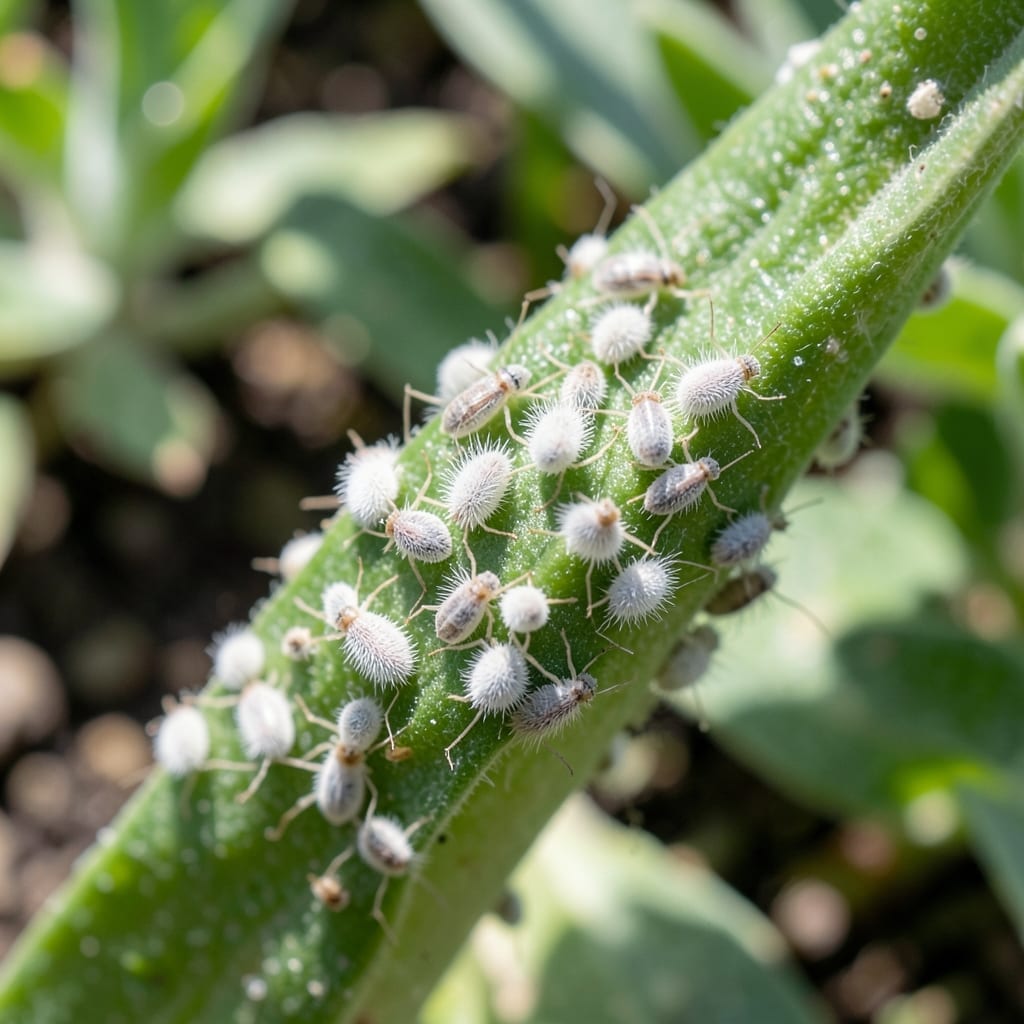
White cottony clusters on your portulaca mean trouble. 🌿 Mealybugs drain the life from these hardy succulents, leaving them stunted and sad. I spotted them on mine last summer and panicked until I found a simple fix.
The key is catching them early. These pests hide in leaf axils and under stems, sucking sap while excreting sticky honeydew. Left unchecked, they spread fast and attract sooty mold. My plants were nearly gone before I noticed.
You can fight back with a cotton swab dipped in rubbing alcohol. It dissolves their protective coating on contact. For heavy infestations, I use a mild insecticidal soap spray that won’t harm the plant.
Regular checks and quick action keep portulaca thriving. These treatments work in 2-3 applications spaced a week apart.
Mealybugs thrive on Portulaca (moss rose) for several biological and environmental reasons. Understanding these triggers helps prevent and control outbreaks effectively.
Portulaca is a drought-tolerant succulent, but excess moisture creates ideal conditions for mealybugs. Overwatering or poor drainage leads to soft, stressed tissue, which these pests prefer. High humidity (>60%) also accelerates their reproduction, as it mimics their native tropical environments.
Dense plantings or crowded garden beds restrict airflow, trapping moisture around Portulaca stems and leaves. Mealybugs exploit these stagnant microclimates to establish colonies undisturbed. Prune nearby foliage and space plants 6–12 inches apart to improve ventilation.
In balanced ecosystems, predators like ladybugs, lacewings, or parasitic wasps keep mealybug populations in check. However, Portulaca grown in isolation (e.g., containers or monoculture beds) often lacks these allies. Introduce beneficial insects or plant companion species like marigolds or alyssum to restore equilibrium.
Under- or over-fertilized Portulaca produces weak growth, making it more susceptible to pests. Mealybugs target plants with low nitrogen or excess phosphorus, as these imbalances disrupt natural defenses. Use a balanced, slow-release fertilizer (e.g., 10-10-10) and avoid heavy nitrogen applications.
Actionable tip: Inspect plants weekly for early signs (white cottony clusters) and isolate affected specimens immediately.
Mealybugs can be stubborn, but these targeted solutions will help you restore your portulaca’s health and keep pests at bay. Address each issue with the right fix, and pair treatments with prevention for long-term success.
If you spot mealybugs early, handpicking is your first line of defense. Grab a pair of tweezers or a cotton swab dipped in rubbing alcohol (70% isopropyl) and gently remove the pests. Focus on leaf axils, stems, and the undersides of leaves where they hide. Pro tip 💡: Check your plants weekly to catch new outbreaks fast.
Mix 1 teaspoon of mild liquid soap (like Castile) with 1 liter of water and spray it directly onto the mealybugs. The soap breaks down their protective waxy coating, causing them to dehydrate. Apply every 2–3 days until the bugs are gone. ✨ Prevention tip: Avoid overwatering—mealybugs thrive in damp conditions.
Introduce beneficial insects like ladybugs, lacewings, or parasitic wasps to your garden. These predators feed on mealybugs and help keep their populations in check. 🎯 Pro tip: Plant companion flowers like marigolds or alyssum to attract these helpful bugs.
For heavy infestations, use neem oil, a natural insecticide that disrupts the mealybugs’ life cycle. Mix 1 tablespoon of neem oil with 1 liter of water and a few drops of dish soap, then spray thoroughly, covering all plant surfaces. Reapply every 7–10 days until the problem is resolved. ⚠️ Note: Test on a small area first to ensure your portulaca tolerates it.
Prevention is key! 🌡️ Keep your portulaca healthy with well-draining soil, proper sunlight, and avoid over-fertilizing, which can attract pests. Regularly inspect new plants before introducing them to your garden to prevent spreading mealybugs.
Look for white, cottony clusters in leaf axils and undersides. Check stems weekly, as early detection makes treatment easier and prevents spreading.
Vinegar can harm portulaca’s delicate foliage. Stick to rubbing alcohol or soapy water for safe, effective removal instead.
For soapy water, reapply every 2–3 days. For neem oil, use every 7–10 days until pests are gone. Consistency is key!
Yes! They move quickly, especially in crowded gardens. Isolate infested portulaca immediately and treat all nearby plants preventatively.