
Beautiful Plants For Your Interior
Beautiful Plants For Your Interior
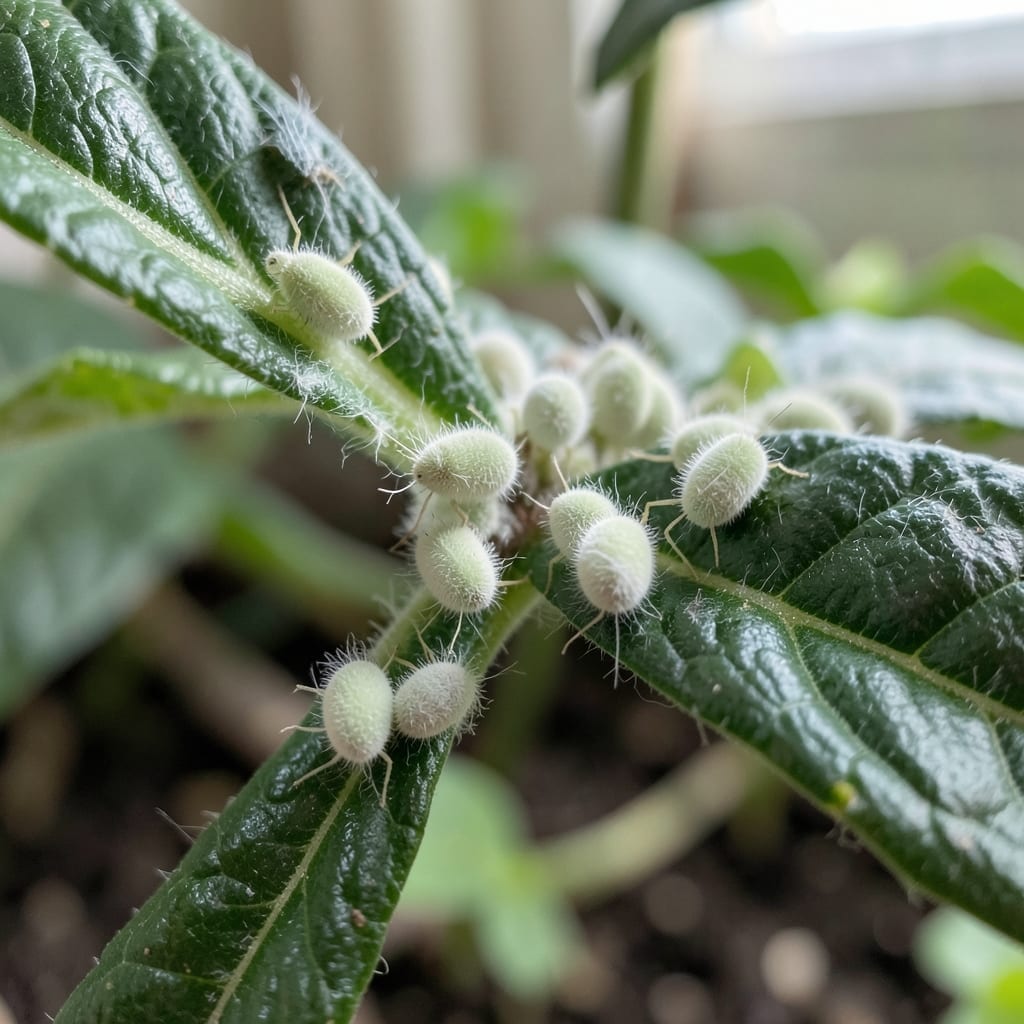
That white cottony stuff on your leaves isn’t dust—it’s trouble. Mealybugs spread fast, turning healthy plants into weak, sticky messes that attract even more pests.
I’ve lost a few good plants to these bugs before learning the simple tricks that stop them cold. A sharp eye and quick action make all the difference between a minor annoyance and a full-blown infestation.
You’ll spot them early by checking leaf axils and stems weekly. The sooner you act, the easier the fix—no fancy equipment required, just consistency and the right approach.
Works for houseplants, greenhouse crops, or garden favorites. Here’s how to reclaim your plants without harsh chemicals.
Mealybugs thrive when conditions favor their rapid reproduction and spread. Understanding the root causes helps prevent and manage infestations effectively. Below are the primary reasons these pests appear on your plants. Act on these insights to keep your garden mealybug-free!
Plants growing too close together create a humid, sheltered environment—ideal for mealybugs. Stress from insufficient light, water, or nutrients weakens plants, making them more susceptible to pests. Mealybugs target stressed plants because their natural defenses are compromised, allowing infestations to take hold quickly.
High humidity and stagnant air encourage mealybug populations to explode. These pests love damp, warm conditions, especially in indoor gardens or greenhouses. Overwatering or poor drainage can also create a moist environment that attracts mealybugs and helps them spread across foliage and stems.
In outdoor settings, natural predators like ladybugs, lacewings, and parasitic wasps keep mealybug populations in check. However, in indoor environments or monoculture gardens, these beneficial insects are often absent. Without predators, mealybugs multiply unchecked, leading to severe infestations on houseplants and greenhouse crops.
Mealybugs can hitch a ride on newly purchased plants or infected soil. If you introduce a contaminated plant into your collection, the pests can quickly spread to nearby healthy plants. Always quarantine new additions and inspect them thoroughly for signs of mealybugs, such as white cottony clusters or sticky residue.
Mealybugs can be stubborn, but these targeted solutions will help you reclaim your plants. Act fast to prevent further damage.
For small outbreaks, dab the bugs with a cotton swab soaked in rubbing alcohol (70% isopropyl). This dissolves their protective coating and kills them on contact. Wipe down leaves and stems thoroughly, then rinse the plant with water to remove residue. Repeat every few days until all signs are gone.
Mix 1 tablespoon of dish soap and 1 tablespoon of neem oil in 1 quart of water. Spray this solution directly onto mealybugs, focusing on leaf undersides and stem crevices where they hide. Neem oil disrupts their life cycle, while soap suffocates them. Reapply every 5–7 days for 2–3 weeks.
Pro tip 💡: Always test sprays on a small section of the plant first to check for sensitivity.
If the infestation is heavy, quarantine the plant to prevent spreading. Prune heavily infested leaves or stems (dispose of them in a sealed bag). For persistent problems, use insecticidal soap or horticultural oil as a last resort, following label instructions carefully.
Consistency is key—stick with your treatment plan until the plant is pest-free!
Check leaf axils and stem joints weekly for white cottony clusters. Also look for sticky honeydew or black sooty mold on leaves. Early detection means easier treatment.
70% isopropyl alcohol is safe for most plants when used sparingly. Always test on a small area first and avoid sensitive varieties like ferns or succulents.
Vinegar can kill mealybugs but may also damage plant tissue. A better option is a neem oil and soap spray which is gentler and more effective long-term.
With consistent effort, mild cases clear in 1-2 weeks. Severe infestations may take 3-4 weeks of repeated applications. Never stop after the first treatment.