
Beautiful Plants For Your Interior
Beautiful Plants For Your Interior
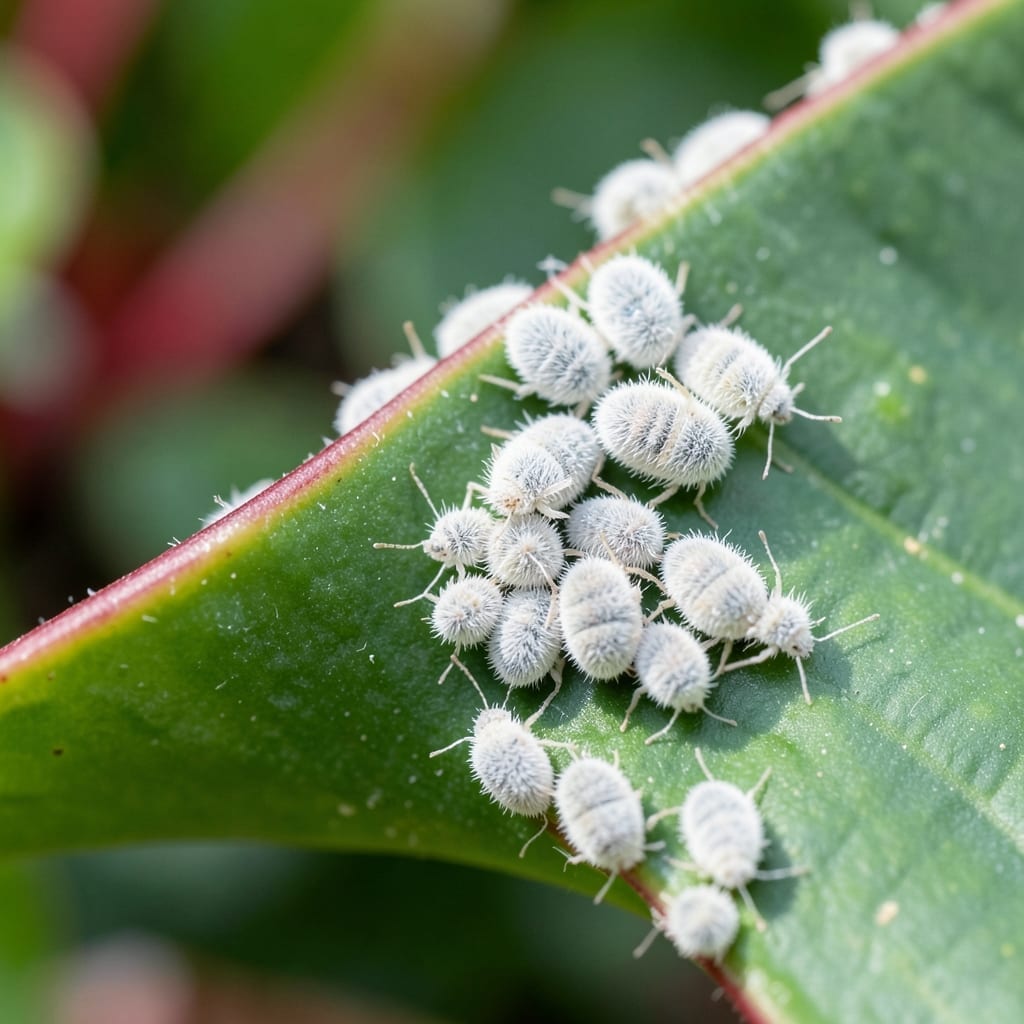
White fuzzy spots on your paddle plant’s leaves? That’s mealybugs, and they’re sapping your plant’s strength before you even notice the damage.
I’ve battled these pests more times than I’d like to admit. They hide in leaf crevices, multiply fast, and weaken plants by stealing nutrients. The good news? A few simple steps can stop them in their tracks without harsh chemicals.
With the right approach, your paddle plant will bounce back, leaves returning to their vibrant green within a week. No fancy tools—just consistency and a watchful eye.
Works for indoor setups, small collections, or any space where these pests sneak in. Here’s how to take action now.
Mealybugs thrive on paddle plants (Kalanchoe thyrsiflora) due to a mix of environmental and care-related factors. Understanding these triggers helps prevent future outbreaks.
Mealybugs flourish in warm, stagnant air with humidity above 60%. Paddle plants in crowded spaces or greenhouses often suffer from this. Stagnant air prevents natural predators (like ladybugs) from reaching the plant, while moisture softens the plant’s waxy cuticle, making it easier for pests to pierce and feed.
Excess nitrogen from heavy fertilizing promotes lush, soft growth—a mealybug’s favorite. Similarly, overwatered paddle plants develop weak cell walls, which are easier for mealybugs to penetrate. Reduce watering and switch to a balanced, slow-release fertilizer to toughen the plant’s defenses.
Paddle plants need bright, indirect light. Too little light stresses the plant, reducing its production of natural pest-deterring compounds. Conversely, sudden intense light (like direct midday sun) can scorch leaves, creating entry points for mealybugs. Aim for 6–8 hours of gentle sunlight daily.
Mealybugs often hitchhike on new plants or garden tools. Quarantine new additions for 2–3 weeks and disinfect pruners between uses. Even a single overlooked egg sac can spark a full-blown infestation within days.
Mealybugs can be stubborn, but these targeted solutions will help you reclaim your paddle plant’s health. Start by isolating the affected plant to prevent the pests from spreading to others. Then, tackle the infestation with these proven methods:
For light infestations, wipe down the leaves and stems with a cotton swab or soft cloth dipped in rubbing alcohol (70% isopropyl). This dissolves the bugs’ protective waxy coating and kills them on contact. Focus on leaf axils, undersides, and crevices where mealybugs hide. Repeat every few days until no signs remain.
Mix 1 teaspoon of mild liquid soap (like Castile) with 1 liter of water and spray it directly onto the mealybugs. The soap disrupts their cell membranes, causing them to dehydrate. Apply in the evening to avoid leaf burn from the sun, and reapply every 4–5 days until the pests are gone.
Introduce ladybugs, lacewings, or parasitic wasps to your garden or indoor plant area. These beneficial insects feed on mealybugs and can provide long-term control. For indoor plants, purchase ladybugs from a garden center and release them near the infested paddle plant.
Consistency is key—stick with your chosen method until the mealybugs are completely eradicated!
Look for white, cottony clusters in leaf crevices or undersides. Early signs include sticky residue (honeydew) or black sooty mold on leaves.
Yes! Mix 1 teaspoon neem oil with 1 liter water and a few drops of soap. Spray every 5-7 days until gone. Avoid direct sunlight after application.
Hidden egg sacs or untreated neighboring plants are likely culprits. Isolate and treat all nearby plants simultaneously. Check every 2-3 days for new signs.
Yes, 70% isopropyl alcohol is safe for paddle plants. Dab with a cotton swab, avoiding soil. Test on a small area first.