
Beautiful Plants For Your Interior
Beautiful Plants For Your Interior
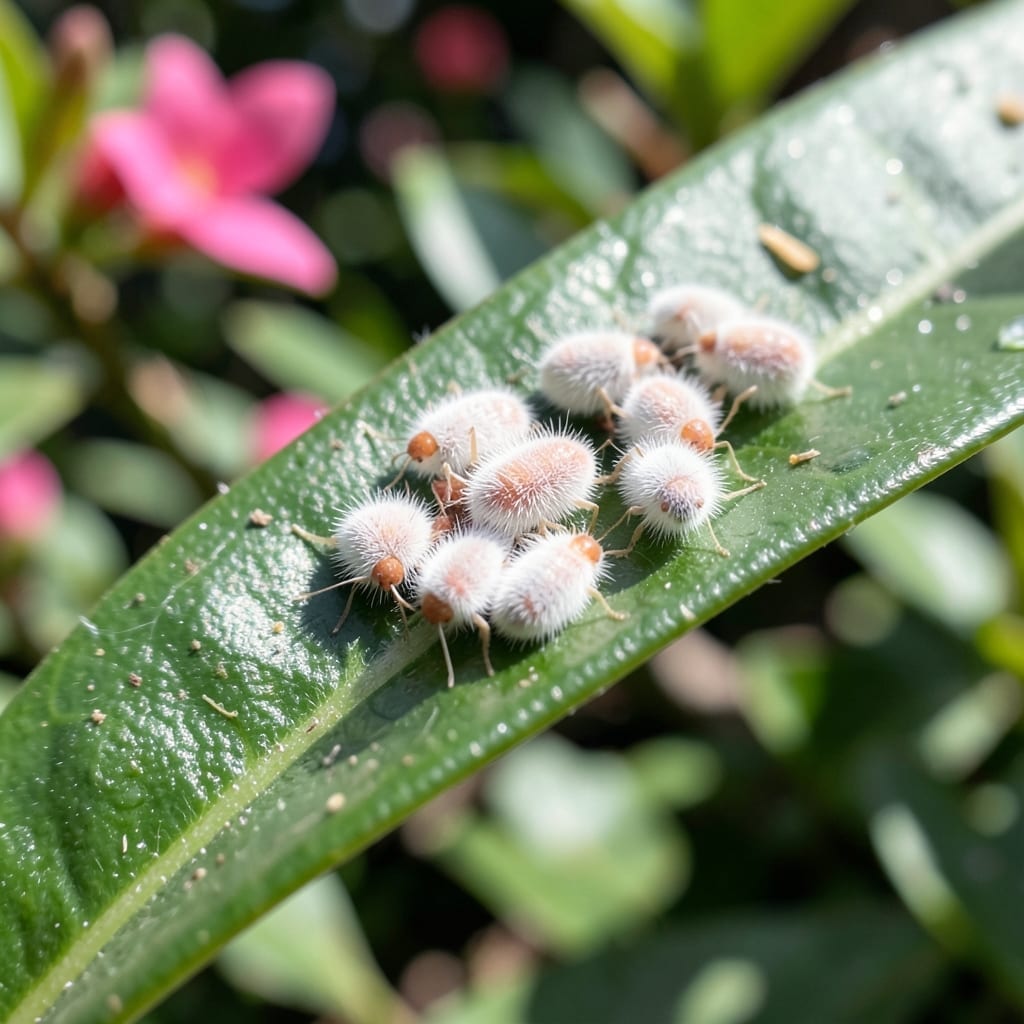
White fuzzy spots on your plants aren’t lint—they’re mealybugs. I spotted my first infestation on a rose bush and thought it was mold until I looked closer. These pests spread fast, sucking sap and leaving sticky residue that attracts ants.
Here’s the thing—they’re sneaky. Mealybugs hide in leaf axils and under stems, so by the time you see them, they’ve already set up camp. My DIY soap spray cleared them in 3 days without harsh chemicals. The key is consistency and coverage.
You’ll need to treat every nook and cranny, repeating every 4-5 days for 2 weeks. The soap breaks down their protective coating, drying them out for good. Works on most outdoor plants without harming beneficial insects.
Prevention is simpler than cure. Inspect new plants, keep your garden tidy, and act fast at the first sign of trouble. This method saves plants I thought were goners.
Mealybugs thrive on outdoor plants when conditions align with their biological needs. Here are the primary causes behind their appearance:
Mealybugs Pseudococcidae flourish in temperatures between 70–90°F (21–32°C) with high humidity. These conditions accelerate their reproductive cycle, allowing populations to explode. Outdoor plants in tropical or subtropical climates—or those in greenhouses—are especially vulnerable. Reducing humidity through proper spacing and airflow can deter them.
Plants weakened by overcrowding, drought, or poor soil quality emit stress signals that attract mealybugs. These pests target plants with excess nitrogen (from over-fertilization) or those lacking natural predators. Prune regularly and maintain plant health to minimize appeal.
In balanced ecosystems, ladybugs, lacewings, and parasitic wasps keep mealybug populations in check. However, pesticide overuse or monoculture gardening can eliminate these beneficial insects, creating a void mealybugs quickly fill. Introduce natural predators or avoid broad-spectrum chemicals to restore equilibrium.
Mealybugs and their eggs can hitchhike on unsterilized gardening tools, infected soil, or new plants. Always quarantine new additions for 2–3 weeks and disinfect tools with rubbing alcohol to prevent cross-contamination.
Mealybugs can be stubborn, but these targeted solutions will help you reclaim your outdoor plants. Address each issue with simple, effective fixes—and keep them from coming back.
If your plants are covered in white, cottony clusters, prune heavily infested areas first. Use sterilized shears to remove leaves, stems, or branches where mealybugs cluster. Bag and dispose of the trimmings immediately to prevent spread. Isolate the plant for 1–2 weeks to monitor for remaining pests.
For lighter cases, a DIY insecticidal soap spray works wonders. Mix 1 tablespoon of mild liquid soap (like Castile) with 1 quart of water in a spray bottle. Shake well and apply directly to mealybugs until fully coated. Reapply every 3–4 days for 2 weeks, focusing on leaf undersides and stem joints where they hide.
Ants protect mealybugs for their honeydew, so they’ll keep reintroducing them. Disrupt this cycle by applying sticky traps or diatomaceous earth around the plant base. Alternatively, use a soapy water barrier on the soil to deter ants while you treat the mealybugs.
For active infestations, apply your soap spray every 3-4 days for 2 weeks. This ensures you catch newly hatched bugs before they mature. Consistency is key to breaking their life cycle.
They’re likely hitching rides on new plants or tools. Always quarantine new additions for 2-3 weeks and disinfect gardening tools with rubbing alcohol between uses.
Yes! Mix 1 tablespoon neem oil with 1 quart water and a drop of dish soap. Apply weekly in the evening to avoid leaf burn. It works as both treatment and prevention.
Soap sprays and neem oil are low-risk when used as directed. To protect pollinators, apply in the early morning or late evening when bees are less active.