
Beautiful Plants For Your Interior
Beautiful Plants For Your Interior
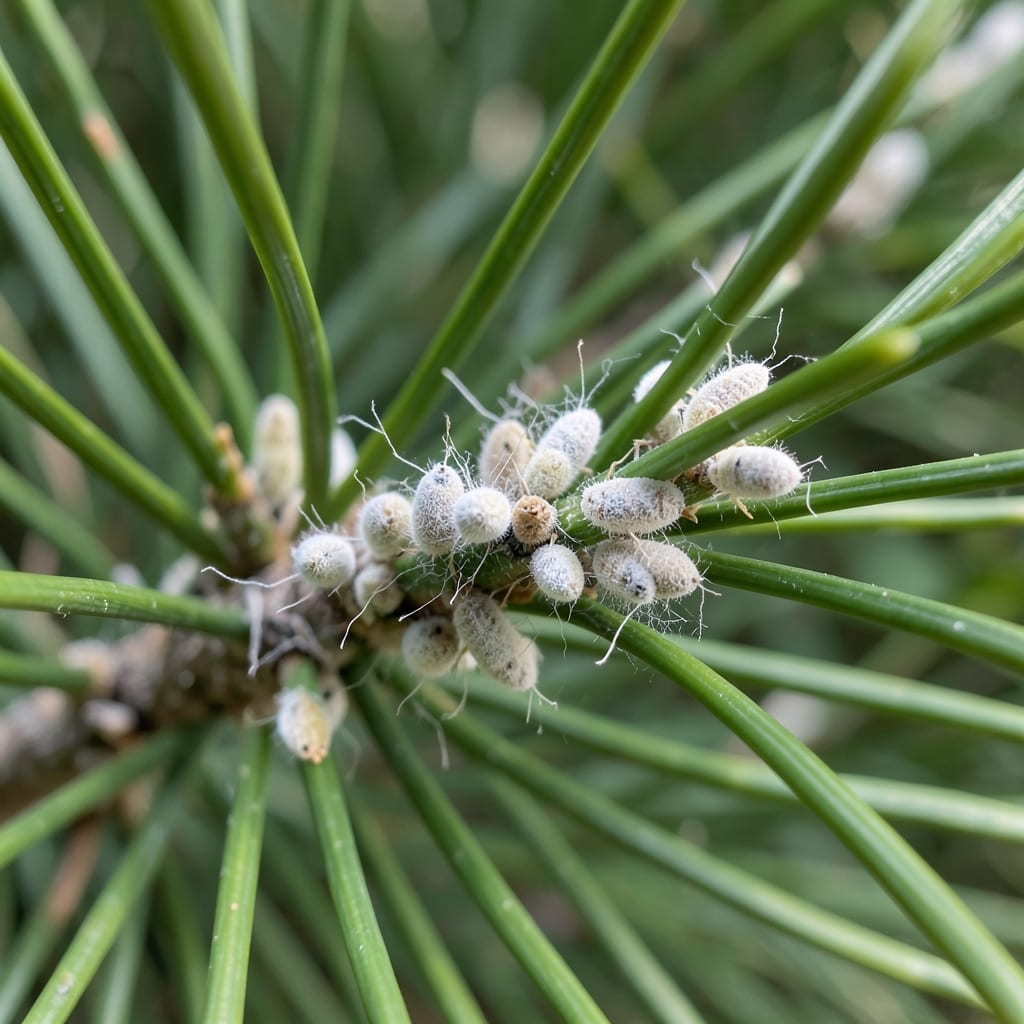
White cottony clusters on your Norfolk pine mean trouble. I first noticed mealybugs on mine last winter when the leaves started yellowing and dropping. These pests suck sap from needles, weakening the tree over time.
The damage spreads fast if untreated. Sticky honeydew appears first, followed by sooty mold. Left unchecked, branches die back and growth stalls. The good news? Early intervention can save your tree.
You can treat them with neem oil or insecticidal soap for mild cases. For severe infestations, systemic insecticides work best. I’ve had success with both methods, depending on the season.
Prevention is simpler than cure. Regularly inspect your pine, especially in dry indoor conditions. Keep new plants isolated for 2-3 weeks to avoid introducing pests.
Mealybugs thrive on Norfolk Island pines ( Araucaria heterophylla ) when specific conditions align. These sap-sucking pests exploit stress, environmental imbalances, and cultural missteps. Below are the primary causes, explained scientifically for actionable prevention.
Norfolk pines grown in dry indoor air (below 40% humidity) or exposed to temperature swings (e.g., near vents or drafts) lose vigor. Stressed trees produce higher nitrogen levels in their sap, which mealybugs detect via chemoreceptors. This weakens the plant’s terpenoid defenses, making it a prime target.
Excess moisture in the root zone reduces oxygen uptake, leading to root rot and ethene (ethylene) buildup—a stress hormone that signals distress to pests. Mealybugs are drawn to these chemically “sick” plants, as their weakened state offers less resistance to piercing mouthparts.
Over-fertilization, especially with high-nitrogen blends, creates lush, soft growth that mealybugs prefer. Conversely, potassium or silicon deficiencies weaken cell walls, making it easier for pests to penetrate. A balanced N-P-K ratio (e.g., 10-10-10) and micronutrient support (like calcium) fortify the tree’s natural defenses.
Indoor Norfolk pines often lack beneficial insects like ladybugs ( Coccinellidae ) or parasitic wasps ( Encarsia citrina ) that keep mealybug populations in check. Without these predators, infestations spread unchecked, especially in monoculture settings (e.g., single-species houseplant collections).
Mealybugs hitchhike on newly purchased plants or infected tools. Their crawlers (nymphs) are microscopic and can disperse via air currents or human contact. Quarantining new additions for 14–21 days disrupts their life cycle and prevents cross-contamination.
Tackling mealybugs on your Norfolk pine starts with quick action and consistent care. Below are targeted solutions for common infestation scenarios, along with prevention tips to keep your plant thriving.
If you spot a few mealybugs early, remove them by hand. Dip a cotton swab in rubbing alcohol (70% or higher) and gently dab each bug. The alcohol dissolves their protective waxy coating, killing them on contact. Repeat every few days to catch any stragglers. For clusters, use a soft toothbrush dipped in soapy water to dislodge them.
For larger but manageable outbreaks, mix 1 teaspoon of mild dish soap with 1 liter of water and spray the entire plant, focusing on undersides of leaves and branch joints. Reapply every 4-5 days until the bugs are gone. Alternatively, neem oil (mixed as directed on the label) disrupts their life cycle—spray in the evening to avoid leaf burn.
If mealybugs persist, use a systemic insecticide labeled for ornamental plants. These are absorbed by the plant and kill pests from within. Follow the product’s instructions carefully, and avoid using systemic treatments in windy conditions or near water sources. Always wear gloves when handling chemicals.
Pro tip: 🌡️ Norfolk pines prefer slightly dry conditions, so avoid overwatering, which can create a welcoming environment for pests.
Look for white cottony clusters on needles or branches. You may also notice sticky honeydew or black sooty mold. Yellowing needles or stunted growth are later signs.
Yes! Rubbing alcohol on a cotton swab kills visible bugs. A mix of 1 teaspoon dish soap and 1 liter water works as a spray for larger areas. Repeat every 4-5 days.
Mild cases may clear in 1-2 weeks with consistent effort. Severe infestations could require 3-4 weeks of treatment. Monitor weekly to prevent recurrence.
With early treatment, most Norfolk pines bounce back. Severely damaged branches may not regrow, but new healthy growth will appear. Keep conditions optimal to aid recovery.