
Beautiful Plants For Your Interior
Beautiful Plants For Your Interior
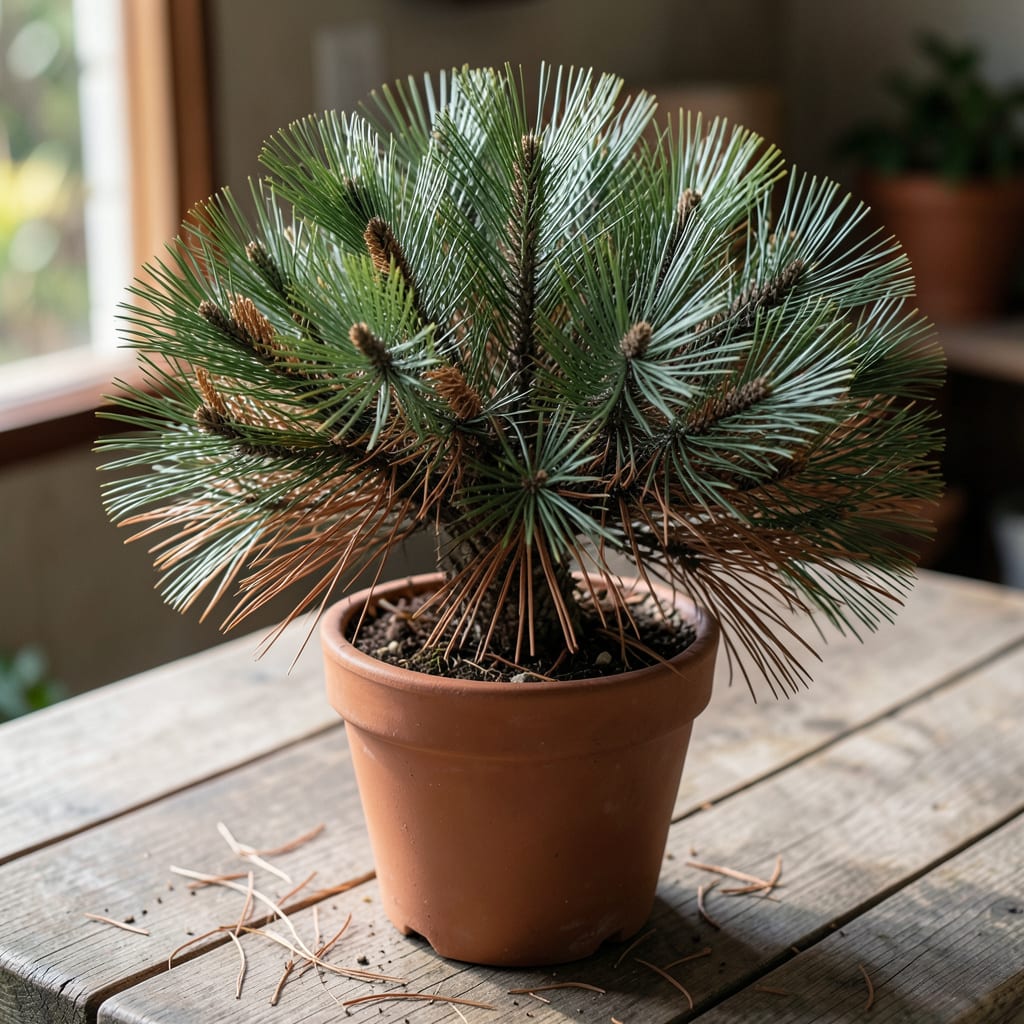
My Norfolk pine went from vibrant green to crispy brown in 3 weeks. Turns out, it was screaming for help with every brown needle, and I was missing all the signs.
Most brown tips mean one thing: your tree’s either drowning or starving for light. I fixed mine by moving it to brighter indirect sun and letting the soil dry between waterings. The recovery started within 10 days.
You’ll notice new growth returning at the branch tips first. That green fuzz means you’ve nailed the balance. The brown won’t turn green again, but the rest of the tree can bounce back.
Works for potted trees indoors or on patios. Here’s exactly how to diagnose and fix it.
Understanding why your Norfolk Pine is turning brown starts with identifying the root causes. Here are the most common culprits, explained with actionable insights:
Norfolk Pines thrive in bright, indirect light. Too little light weakens the tree, causing needles to yellow and brown as photosynthesis slows. Conversely, direct sunlight (especially hot afternoon rays) can scorch the foliage, leading to crispy brown tips. Move your plant to an east- or north-facing window for balanced exposure.
Overwatering is a leading cause of browning, as soggy soil suffocates roots and promotes fungal growth (e.g., Phytophthora root rot). Underwatering, on the other hand, causes dehydration, turning needles brittle and brown. Check soil moisture 1–2 inches deep—water only when dry, and ensure pots have drainage holes.
These tropical natives prefer 60–70°F (15–21°C) and 40–50% humidity. Dry indoor air (common in winter) or drafts from heaters/AC can desiccate needles. Group plants together or use a humidifier to maintain moisture. Avoid cold drafts below 50°F (10°C), which trigger browning.
A lack of magnesium, iron, or nitrogen often manifests as yellowing or browning needles. Use a balanced, slow-release fertilizer (e.g., 10-10-10) during growing seasons (spring/summer), but avoid over-fertilizing, which can burn roots. Flush the soil with water monthly to prevent salt buildup.
Spider mites, mealybugs, and scale insects sap the tree’s fluids, causing discoloration. Inspect the undersides of branches for webbing (mites) or cottony clusters (mealybugs). Treat with neem oil or insecticidal soap, isolating the plant to prevent spread.
Here’s how to revive your Norfolk Pine and keep it thriving.
Place your plant near an east- or north-facing window where it gets gentle sunlight. Avoid harsh direct light, which can scorch the needles. Rotate the pot weekly for even exposure. Prevention tip: 💡 If natural light is limited, supplement with a grow light for 6–8 hours daily.
Check the soil with your finger—if the top 1–2 inches are dry, it’s time to water. Soak the soil until water drains from the bottom, then empty the saucer to avoid root rot. Prevention tip: 🌡️ Use a moisture meter to track soil hydration, especially in dry indoor environments.
Stop watering immediately and let the soil dry out. Repot the plant in fresh, well-draining potting mix if the roots are soggy or smelly. Ensure the pot has drainage holes. Prevention tip: ✨ Water only when the topsoil feels dry, and reduce frequency in cooler months.
Keep your Norfolk Pine in a room between 65–75°F (18–24°C), away from drafts, heaters, or AC vents. Sudden temperature swings can cause browning. Prevention tip: 🎯 Avoid placing the plant near doors or windows that open frequently in winter.
Wipe down the branches with a damp cloth to remove pests like spider mites or mealybugs. Use insecticidal soap or neem oil, following label instructions. Isolate the plant to prevent spreading. Prevention tip: 🔥 Inspect new plants before bringing them home, and mist your Norfolk Pine occasionally to deter pests.
Water when the top 1-2 inches of soil feel dry. This usually means every 7-10 days in summer and less in winter. Always check moisture first to avoid overwatering.
Unfortunately no—once needles brown, they won’t recover. But proper care will help your tree grow new healthy foliage to replace them. Focus on fixing the underlying issue.
Place near an east or north window for bright, indirect light. Keep away from heaters, AC vents, and drafty windows. Ideal temps are 65-75°F.
