
Beautiful Plants For Your Interior
Beautiful Plants For Your Interior
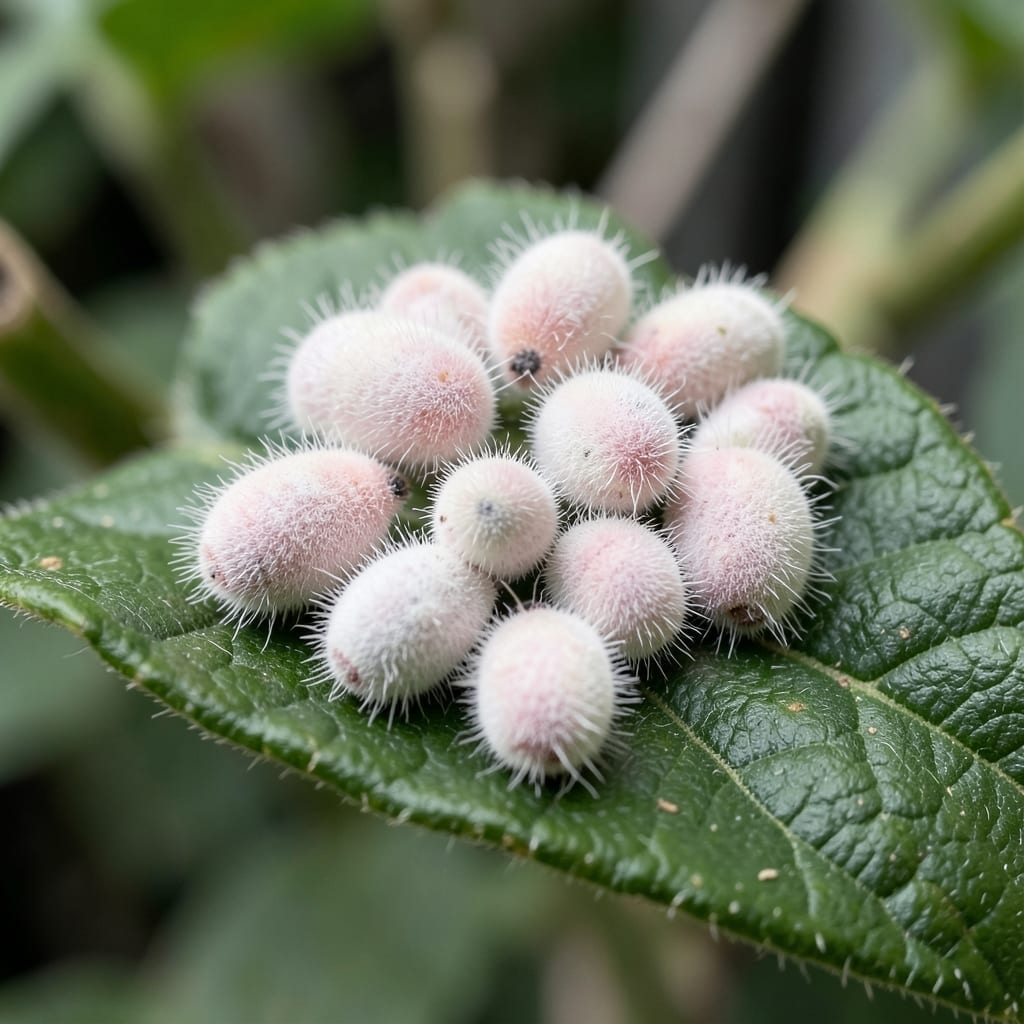
White cottony clusters on your aquatic plants mean trouble. I’ve battled mealybugs in my pond, and they’ll drain the life from leaves if left unchecked.
These pests suck sap, weaken growth, and spread fast in damp environments. The good news? Early action stops them cold. A little vigilance now saves you a full-scale outbreak later.
You’ll spot them hiding in leaf joints or under stems, looking like tiny cotton balls. Catch them early, and you can remove them without harsh chemicals.
Works for any water garden, from small tubs to large ponds. Here’s how to take back control.
Mealybugs thrive on aquatic plants due to a few key environmental and biological factors. Understanding these triggers helps you prevent infestations before they start.
When aquatic plants grow too densely, airflow and light penetration decrease, creating a humid, sheltered environment. Mealybugs love these conditions—stagnant air and high moisture accelerate their reproduction. Thin out foliage regularly to improve ventilation and reduce hiding spots.
Excess organic debris or imbalanced nutrient levels (e.g., high nitrogen) in pond water can stress plants, making them more susceptible to pests. Mealybugs are drawn to weakened tissue. Test water parameters and perform routine cleanups to remove decaying matter.
In a balanced ecosystem, predators like ladybugs or lacewings keep mealybug populations in check. If your pond lacks these beneficial insects, infestations can spiral. Introduce natural enemies or use biological controls (e.g., Cryptolaemus montrouzieri) to restore equilibrium.
Sudden temperature swings or extreme heat can stress aquatic plants, compromising their defenses. Mealybugs exploit this vulnerability, targeting stressed leaves first. Stabilize water temperature with shading or aeration to harden plants against pests.
Mealybugs can quickly spread, but these targeted fixes will help you reclaim your aquatic plants. Address the issue based on its severity and your setup.
For small infestations, start with a gentle approach:
When bugs persist, escalate with these safe, effective solutions:
For widespread problems in ponds or large aquariums:
Stop mealybugs before they start with these habits:
Consistency is key. Repeat treatments every 5–7 days until the bugs are gone, as eggs can hatch in cycles.
Look for white, cottony clusters in leaf joints or undersides. They resemble tiny cotton balls and often leave a sticky residue.
No, when used correctly. Dip a swab in 70% isopropyl alcohol and dab bugs directly. Avoid oversaturating leaves.
Yes, but sparingly. Neem oil is fish-safe at diluted strengths (1 tsp per quart). Avoid treating water directly.
Inspect plants weekly, especially after adding new ones. Early detection prevents major outbreaks.