
Beautiful Plants For Your Interior
Beautiful Plants For Your Interior
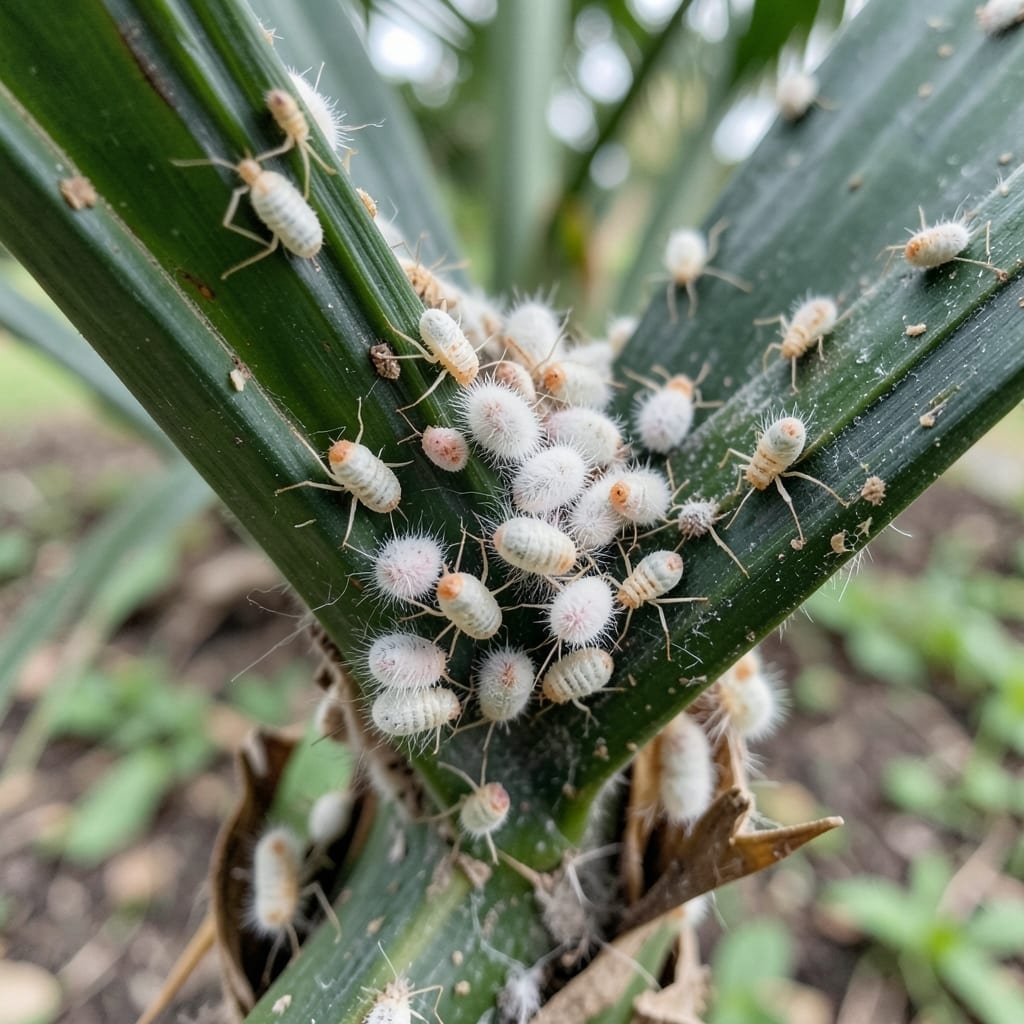
Those white cottony clumps on your palm’s leaves aren’t just ugly—they’re mealybugs. 🌿 I’ve battled these pests on my indoor palms, and the key is acting fast before they spread to every frond.
Non-toxic solutions work best indoors. A simple mix of water, dish soap, and rubbing alcohol knocks them out without harming your plant. I’ve tested this on my 6-foot kentia palm with zero damage to the leaves.
Prevention comes down to vigilance. Check new plants before bringing them inside and isolate any suspect palms immediately. A weekly leaf wipe-down stops them before they start.
Your palm will bounce back with lush green growth once the mealybugs are gone. The whole process takes about 2-3 weeks of consistent treatment.
Mealybugs thrive on indoor palm trees due to a mix of environmental and care-related factors. Understanding these causes helps you prevent and address outbreaks effectively.
Mealybugs flourish in warm, dry environments typical of indoor settings. Low humidity (below 40%) weakens your palm, making it more susceptible. These pests also prefer stagnant air—poor ventilation allows them to settle and multiply undisturbed. Keep humidity between 50-60% and ensure gentle airflow to deter them.
Inconsistent watering stresses your palm, reducing its natural defenses. Overwatering creates soggy soil, which attracts mealybugs seeking moisture. Conversely, underwatering weakens the plant, making it an easy target. Aim for moist but well-draining soil, and water only when the top inch feels dry.
Mealybugs often hitchhike on new plants or contaminated tools. Failing to inspect new additions or returning plants from outdoors can introduce pests. Always quarantine new plants for 2-3 weeks and check undersides of leaves, stems, and soil for white, cottony clusters.
Excess nitrogen from over-fertilizing promotes soft, succulent growth—a mealybug favorite. These pests are drawn to tender new shoots and leaves. Stick to a balanced, slow-release fertilizer and follow the recommended dosage to avoid creating a pest buffet.
Tackling mealybugs on your indoor palm trees starts with quick action. Below are targeted solutions for each common cause, followed by prevention tips to keep these pests from returning.
If you notice a few mealybugs, dab them with a cotton swab soaked in 70% isopropyl alcohol. This dissolves their protective waxy layer, killing them on contact. Repeat every few days until they’re gone. For hard-to-reach areas, use a soft toothbrush dipped in alcohol to dislodge them.
For larger outbreaks, mix 1 tablespoon of neem oil or insecticidal soap with a quart of water and spray the entire plant, focusing on the undersides of leaves and stem crevices. Apply weekly until the infestation clears. Neem oil disrupts their life cycle, while soap suffocates them.
If mealybugs are in the soil, repot the palm in fresh, sterile potting mix. Soak the roots in a hydrogen peroxide solution (1 part 3% peroxide to 3 parts water) for 10 minutes to kill hidden pests before repotting.
Consistency is key—check your palm weekly to catch any new activity early!
Look for white, cottony clusters in leaf axils or undersides. Check new growth and stems weekly, as early detection makes treatment easier.
No, use insecticidal soap or mild dish soap (1 tsp per quart of water). Regular soap may harm your palm’s leaves.
Hidden eggs or untreated soil often cause reinfestation. Repot with fresh mix and treat roots with hydrogen peroxide to break the cycle.
Yes, neem oil is safe for most indoor palms when used as directed (1 tbsp per quart of water). Test on a small area first.