
Beautiful Plants For Your Interior
Beautiful Plants For Your Interior
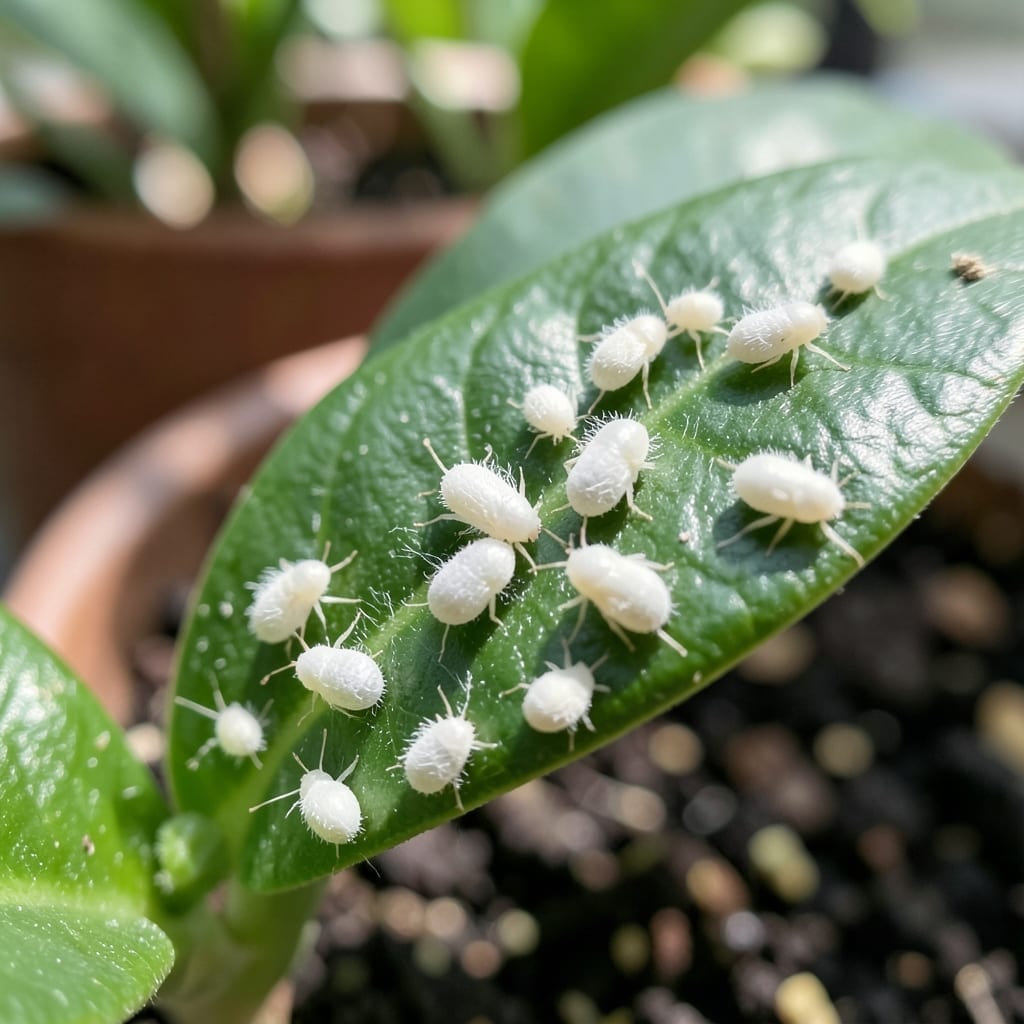
White cottony clusters on your hoya leaves mean mealybugs have moved in. I spotted them on my favorite plant last summer and panicked—until I found a foolproof way to evict them without harsh chemicals.
These pests spread fast but they’re not invincible. A simple mix of dish soap and water, applied carefully, knocks them out in a week. The key is consistency: repeat every 3-4 days until they’re gone.
Prevention is easier than cure. Isolate new plants, inspect leaves regularly, and keep humidity moderate. My hoyas have stayed clean for over 12 months using this routine.
No fancy supplies needed—just patience and a watchful eye. Your hoyas can bounce back stronger than ever.
Mealybugs thrive on Hoya plants when conditions align with their biological needs. Understanding these triggers helps prevent infestations before they start. Below are the most common causes, backed by science and actionable insights.
Mealybugs prosper in low humidity (below 40%) and temperatures between 70–80°F (21–27°C). Hoyas kept indoors near heaters or in arid climates create ideal breeding grounds. These pests desiccate less in dry air, accelerating their life cycle. Fix: Use a humidifier or group plants to raise ambient moisture.
Overwatering or underwatering stresses Hoya, weakening their natural defenses. Mealybugs target water-stressed plants because their cell walls become softer, making it easier for pests to pierce and feed. Consistently soggy soil also fosters root mealybugs. Fix: Water only when the top 1–2 inches of soil are dry, and ensure pots have drainage holes.
Plants in tight clusters or with accumulated debris (dead leaves, spent blooms) harbor mealybugs. These areas provide shelter and food sources, while reduced airflow prevents predators like ladybugs from reaching them. Fix: Prune regularly, remove fallen foliage, and space plants for better ventilation.
Excess nitrogen-heavy fertilizers promote lush, soft growth—a mealybug’s favorite. Conversely, potassium-deficient plants lack the strength to resist infestations. Fix: Use a balanced, slow-release fertilizer (e.g., 10-10-10) and supplement with potassium-rich options like banana peel tea.
Pro tip: Mealybugs are also attracted to Hoya varieties with thick, waxy leaves (e.g., H. carnosa), as the wax traps moisture and creates microhabitats. Wipe leaves with a damp cloth monthly to disrupt their environment.
Mealybugs can be stubborn, but these targeted fixes will help you reclaim your hoya’s health. Start by isolating the affected plant to prevent the pests from spreading. Then, tackle the infestation with these practical solutions.
For small infestations, grab a cotton swab dipped in rubbing alcohol (70% isopropyl) and gently wipe off the white, cottony clusters. Focus on leaf axils, stems, and undersides where mealybugs love to hide. Repeat every few days until they’re gone.
Mix 1 teaspoon of mild dish soap with 1 liter of water and spray the plant thoroughly, especially hidden spots. For a stronger approach, blend neem oil (1 tablespoon) with water (1 liter) and a few drops of soap to help it stick. Apply weekly until the pests are under control.
Pro tip: 💡 Always test sprays on a small area first to avoid damaging sensitive hoyas.
If mealybugs keep coming back, use a systemic insecticide (like imidacloprid) as a last resort. Follow the label instructions carefully, and avoid overuse to protect beneficial insects.
Consistency is key! With these steps, your hoya will be mealybug-free and thriving in no time.
Look for white cottony spots in leaf axils or undersides. These are mealybug clusters. Early detection makes treatment much easier before they spread to stems and roots.
Avoid vinegar—it can damage hoya leaves. Stick to rubbing alcohol or neem oil solutions. These are safer and more effective for eliminating pests without harming your plant.
They often hide in soil or nearby plants. Isolate your hoya and treat all plants in the area. Repeat applications every 3-4 days to break their life cycle completely.