
Beautiful Plants For Your Interior
Beautiful Plants For Your Interior
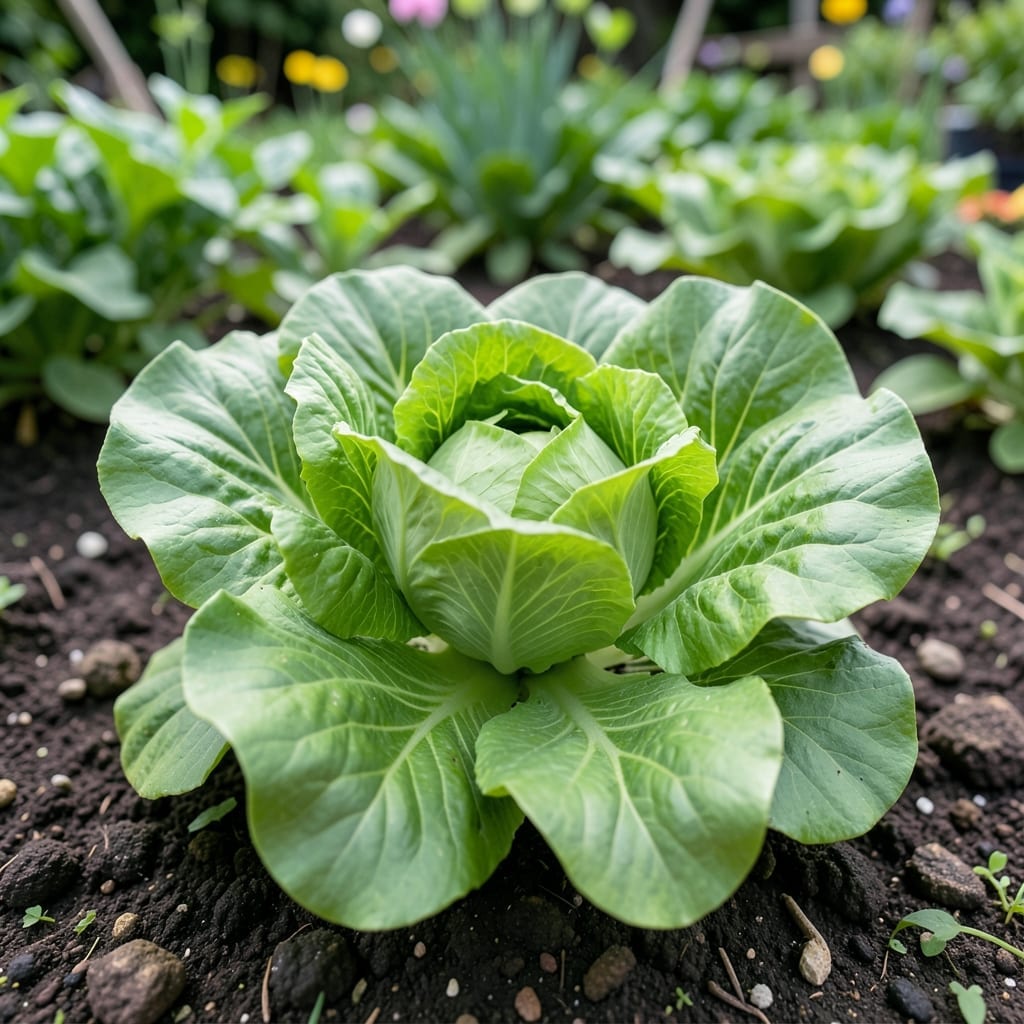
Proper spacing is the key to growing healthy, vibrant 🥬 without overcrowding or wasted garden space. Whether you’re planting in rows or raised beds, getting the distance right ensures each Lettuce gets the sunlight, water, and nutrients it needs.
I’ve seen too many gardens struggle with stunted growth because of poor arrangement. The good news? With the right approach, you can avoid these common pitfalls and set your plants up for success from the start.
Discover how to maximize your garden space while giving your Lettuce room to thrive. Let me walk you through the essentials of spacing for different varieties and planting methods.

Getting the spacing right is crucial for healthy 🥬 growth. Each lettuce variety has unique needs, and planting methods like rows or raised beds change the requirements too.
I always remind gardeners that overcrowding lettuce leads to weak stems and disease. Proper spacing ensures good air circulation and access to sunlight.
| Variety | Seed Spacing | Plant Spacing | Row Spacing |
|---|---|---|---|
| Leaf Lettuce | 1 inch | 4-6 inches | 12-18 inches |
| Romaine | 2 inches | 8-10 inches | 18 inches |
| Butterhead | 2 inches | 6-8 inches | 18 inches |
| Head Lettuce | 3 inches | 10-12 inches | 24 inches |
For raised beds, I recommend tighter spacing since the soil is typically richer. You can reduce plant spacing by about 20% compared to in-ground planting.
If you’re using containers, ensure each 🥬 has at least 6 inches of soil depth. A 12-inch pot can comfortably hold 1-2 plants depending on the variety.
Seed spacing is different from transplant spacing. When direct sowing, I plant seeds closer and thin seedlings later to the final spacing.
Thinning is non-negotiable for healthy growth. Use sharp scissors to snip unwanted seedlings at soil level to avoid disturbing the roots of remaining plants.
For square foot gardening, you can fit 4 leaf lettuce or 1 head lettuce per square foot. This method maximizes space while maintaining good air flow.
Remember that companion planting can affect spacing too. I often interplant 🥬 with radishes or carrots, which have different root depths and won’t compete for space.
Finally, always adjust spacing based on your specific growing conditions. In poorer soil or hotter climates, give plants a bit more room to thrive.
Even experienced gardeners make spacing errors with 🥬 that can lead to stunted growth or disease outbreaks. I’ve seen it happen too often in my own garden and others.
The most common mistake is planting too close together. While it might seem efficient, overcrowded lettuce competes for light, water, and nutrients, resulting in weak, leggy plants.
Overcrowding: Leads to poor air circulation and fungal diseases like powdery mildew.
Under-spacing: Wastes garden space and reduces your overall harvest potential.
Inconsistent rows: Makes maintenance difficult and can create shaded areas where weeds thrive.
Another frequent issue is ignoring variety differences. What works for leaf lettuce won’t work for head lettuce. I always double-check the seed packet for specific recommendations.
Poor row orientation can also cause problems. I recommend planting north-south rows to ensure even sunlight distribution. East-west rows often create shading issues as the sun moves across the sky.
Many gardeners forget to adjust for soil quality. In poor soil, I give plants extra space to compensate for fewer nutrients. In rich soil, you can plant a bit closer together.
Finally, don’t overlook seasonal changes. In hot weather, I increase spacing to improve air flow and reduce heat stress. In cool weather, you can plant slightly closer together.
Remember that thinning seedlings is not optional. I use sharp scissors to avoid disturbing the roots of remaining plants.