
Beautiful Plants For Your Interior
Beautiful Plants For Your Interior
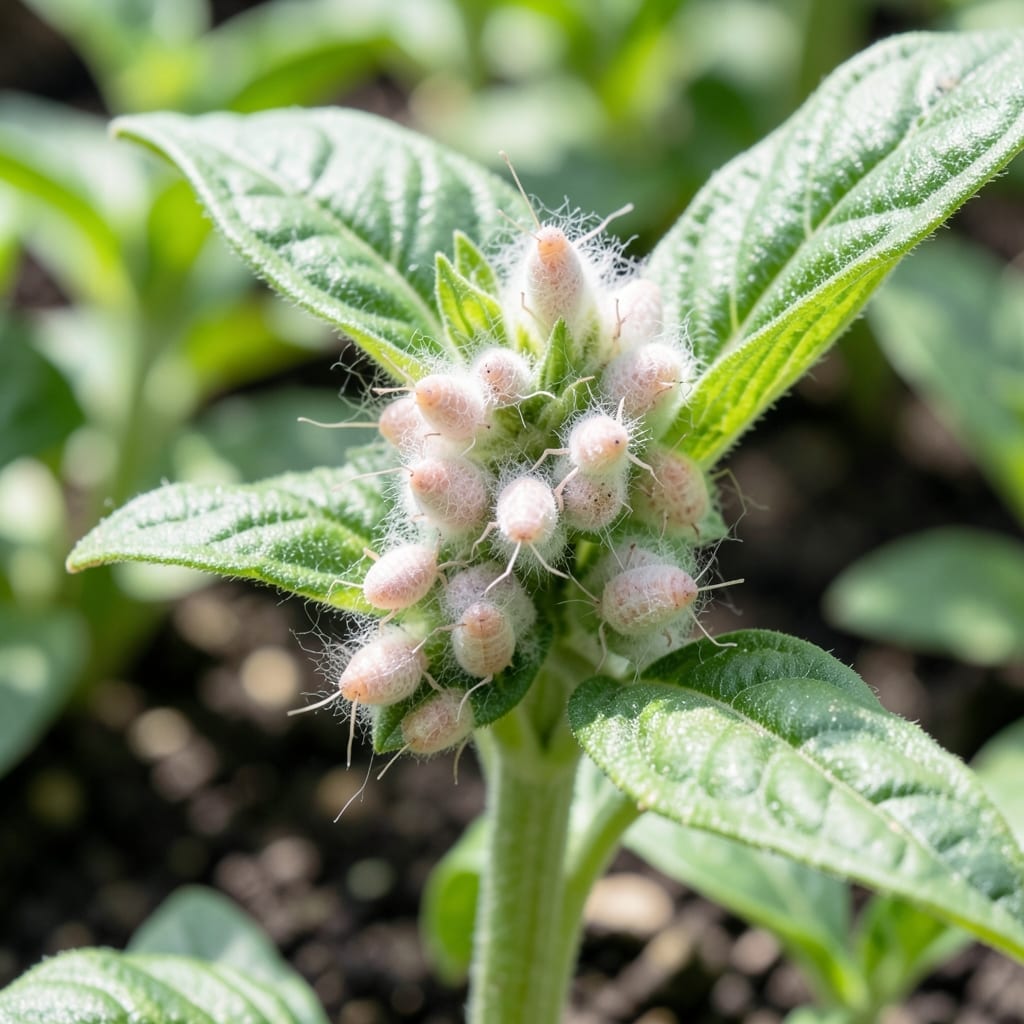
White cottony clusters on your basil or rosemary mean trouble. 🌿 Mealybugs drain plant sap, stunting growth and spreading disease before you even notice the damage.
I first spotted them on my thyme last summer—tiny white dots that multiplied overnight. They hide under leaves and in stem joints, making early detection tricky. Organic control is possible with persistence.
Neem oil and insecticidal soap work, but timing matters. Apply at dusk when bees aren’t active, and reapply every 5-7 days until they’re gone.
Prevention starts with clean plants and good airflow. Inspect new herbs carefully, and keep your garden tidy to discourage these pests.
Mealybugs thrive in herb gardens due to a combination of environmental, biological, and cultural factors. Understanding these root causes helps you target prevention and control more effectively. Below are the most common reasons these pests appear in your garden.
Mealybugs proliferate in warm, low-humidity environments, especially when temperatures range between 70–90°F (21–32°C). Herb gardens in greenhouses, indoor setups, or arid climates are particularly vulnerable. These conditions accelerate their reproductive cycle, allowing populations to explode quickly. Dry soil and stale air further exacerbate the problem by reducing natural predators like ladybugs or lacewings.
Herbs grown in overcrowded containers or with poor air circulation create ideal hiding spots for mealybugs. Stress from root-bound conditions, nutrient deficiencies, or inconsistent watering weakens plants, making them more susceptible to infestations. Weak herbs produce fewer defensive compounds (like essential oils in basil or rosemary), which normally deter pests.
In outdoor gardens, beneficial insects like parasitic wasps, lady beetles, and lacewing larvae keep mealybug populations in check. However, indoor herb gardens or monocrulture setups often lack these predators. Without natural enemies, mealybugs multiply unchecked. Even in outdoor settings, excessive pesticide use can kill off these helpful insects, tipping the balance in favor of pests.
Mealybugs often hitch a ride on new plants, soil, or gardening tools. Purchasing infected herbs or reusing unsterilized potting mix introduces them to your garden. These pests can also spread from nearby houseplants or weeds. Always quarantine new plants for 2–3 weeks and inspect them thoroughly for white, cottony clusters.
Mealybugs can be a nuisance, but they’re manageable with the right approach. Below are targeted solutions for common causes, along with prevention tips to keep your herb garden thriving.
Mealybugs thrive in damp conditions. If your herbs are overwatered or sitting in poorly drained soil, reduce watering frequency and ensure pots have drainage holes. Let the top inch of soil dry out between waterings. Prevention: Use well-draining potting mixes and avoid waterlogging.
Stressed herbs are more susceptible to pests. Boost plant vigor with balanced organic fertilizer and ensure they receive adequate sunlight (6+ hours daily). Remove heavily infested leaves or stems to prevent spread. Prevention: Regularly inspect plants and maintain optimal growing conditions.
For light infestations, dab mealybugs with a cotton swab soaked in 70% isopropyl alcohol. For larger outbreaks, spray plants with a mixture of 1 teaspoon insecticidal soap per 1 liter of water, focusing on leaf undersides and stems. Repeat every 3–4 days until gone. Prevention: Isolate new plants for 1–2 weeks to avoid introducing pests.
Tightly packed herbs trap moisture and create hiding spots for mealybugs. Thin out dense growth and space containers to allow airflow. Prune regularly to keep plants open and airy. Prevention: Avoid overcrowding and trim herbs to encourage circulation.
💡 Pro Tip: Introduce natural predators like ladybugs or lacewings to your garden—they’re mealybug’s worst enemies!
They appear as tiny white, cottony clusters, often hidden under leaves or in stem joints. These pests resemble small bits of cotton and may excrete a sticky substance called honeydew.
Yes, a mixture of 1 teaspoon insecticidal soap per 1 liter of water works well. Spray it directly on the pests, focusing on leaf undersides and stems. Repeat every 3-4 days until they’re gone.
They can quickly move from one herb to another, especially in crowded gardens. Always isolate infested plants and inspect nearby herbs for early signs.
Mealybugs thrive in warm, dry conditions and often hide in hard-to-reach spots. Ensure good airflow, avoid overcrowding, and reapply treatments every 5-7 days to break their life cycle.