
Beautiful Plants For Your Interior
Beautiful Plants For Your Interior
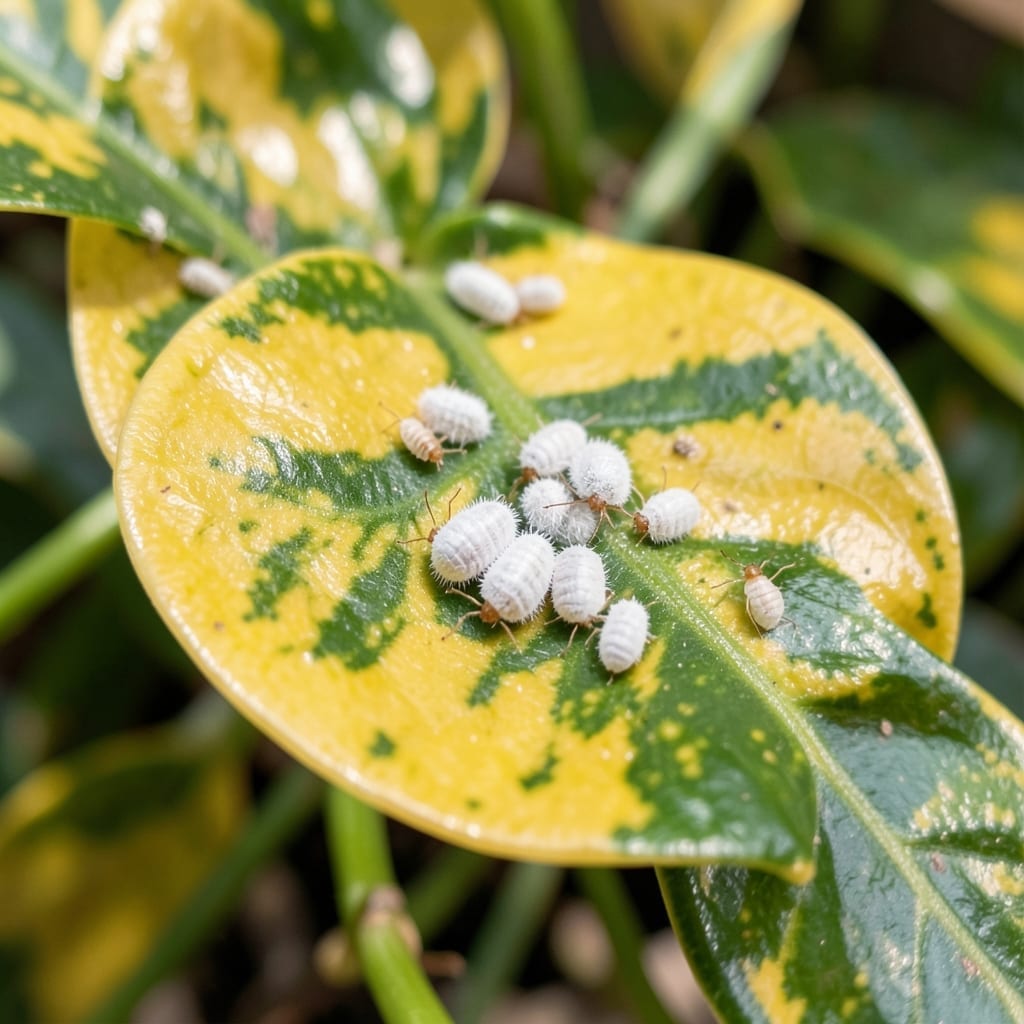
Those white cottony clusters on your pothos aren’t mold—they’re mealybugs. 🌿 I first noticed them tucked in leaf axils, looking like tiny cotton balls, and they multiplied fast.
Left unchecked, they’ll drain your plant’s vitality, leaving yellowed leaves and stunted growth. The good news? Early action works. A cotton swab dipped in rubbing alcohol removes visible pests instantly, but you need a plan for what you can’t see.
Within 2-3 weeks of consistent treatment, your golden pothos will bounce back with shiny, healthy leaves. The key is thoroughness—check every leaf underside and stem crevice.
Works for any pothos variety, and the same methods prevent future outbreaks. Here’s how to reclaim your plant.
Mealybugs thrive on golden pothos due to a few key environmental and plant health factors. Understanding these causes helps prevent infestations before they start.
Excess moisture creates a humid environment that mealybugs love. When soil stays soggy, it stresses the plant, weakening its natural defenses. Golden pothos in poorly draining pots or compacted soil are especially vulnerable. Always ensure your pot has drainage holes and use well-aerated soil.
Golden pothos grown in dim or indirect light often produce softer, more succulent new growth—a mealybug’s favorite meal. These pests target tender stems and leaves, which are easier to pierce and feed on. Rotate your plant regularly to ensure even light exposure.
Mealybugs proliferate in warm, still air with temperatures between 70–80°F (21–27°C). Poor airflow prevents natural predators (like ladybugs) from reaching the plant and allows pests to settle undisturbed. A gentle fan or open window can disrupt their comfort zone.
Too much nitrogen-rich fertilizer promotes lush, soft growth—perfect for mealybugs. These pests are attracted to the high sap content in over-fertilized plants. Stick to a balanced, diluted fertilizer and avoid overfeeding, especially in winter when growth slows.
Mealybugs can be stubborn, but these targeted solutions will help you reclaim your golden pothos. Act fast to prevent them from spreading to other plants.
If you spot a few mealybugs early, dip a cotton swab in rubbing alcohol (70% or higher) and gently dab each pest. Follow up by wiping leaves with a soapy water solution (1 tsp mild dish soap per liter of water). Isolate the plant for 1-2 weeks to monitor for new activity.
For larger outbreaks, spray the entire plant—including stems and undersides of leaves—with neem oil or insecticidal soap. Reapply every 5-7 days for 3-4 weeks to break the mealybug life cycle. Always test sprays on a small area first to avoid leaf burn.
Mealybugs hiding in soil? Drench the soil with a mix of 1 part hydrogen peroxide to 4 parts water to kill larvae. Alternatively, repot the plant in fresh, sterile soil, discarding the old mix. Clean the pot thoroughly with hot, soapy water before reuse.
Consistency is key! Mealybugs are persistent, but with diligence, your golden pothos will bounce back. ✨
Look for cottony clusters in leaf axils or undersides. Unlike mold, they move slightly when touched and leave a sticky residue. A magnifying glass helps confirm their oval, segmented bodies.
Rubbing alcohol (70%) on a cotton swab removes visible pests instantly. For hidden ones, spray with neem oil and repeat every 5-7 days for 3 weeks.
Yes, they crawl or hitch rides on tools/air currents. Isolate infested plants immediately and inspect neighbors weekly. Quarantine new plants for 2 weeks to prevent outbreaks.
Missed eggs or soil-dwelling larvae cause reinfestation. Drench soil with hydrogen peroxide mix and repot if needed. Consistency in treatment breaks their life cycle.