
Beautiful Plants For Your Interior
Beautiful Plants For Your Interior
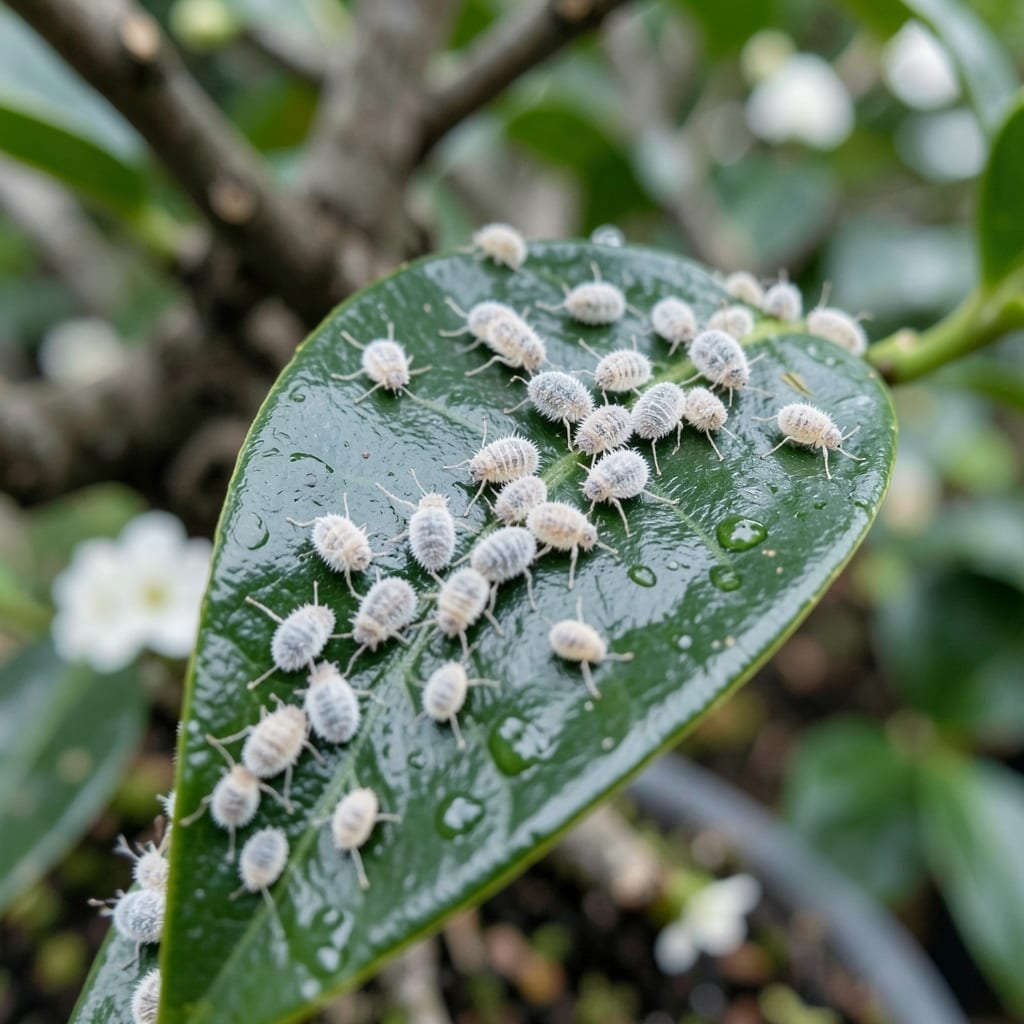
White cottony clusters on your fukien tea mean trouble. Mealybugs drain sap from leaves and stems, weakening your bonsai’s growth and appearance over time.
I’ve battled these pests on delicate plants, and the key is early action. Left unchecked, they spread quickly, leaving sticky residue that attracts mold and further stress to your tree.
The gentle wipe method removes them without harming foliage, while regular inspections catch new infestations before they take hold. Consistency is your best defense.
Works for indoor and outdoor bonsai, restoring health within 2-3 weeks of treatment. Here’s how to reclaim your plant’s vitality.
Mealybugs thrive on Fukien tea bonsai due to a mix of environmental and cultural factors. These pests exploit weaknesses in plant health and habitat, often signaled by stress or poor growing conditions. Below are the primary causes, each backed by horticultural science.
Mealybugs prosper in extremes. Low humidity (below 40%) weakens the plant’s natural defenses, making it easier for pests to infest. Conversely, high humidity without airflow creates a damp, stagnant environment where mealybugs reproduce rapidly. Fukien tea prefers 50–60% humidity with gentle air circulation to deter infestations.
Dead leaves, fallen debris, or dust on foliage provide hiding spots for mealybugs. These pests lay eggs in crevices and under organic matter. Regularly clean your bonsai’s leaves and prune dead growth to eliminate breeding grounds.
Excessive nitrogen-rich fertilizers promote soft, succulent growth—a mealybug’s favorite meal. Meanwhile, under-fertilized or stressed plants lack vigor to resist pests. Balance fertilization with a slow-release, low-nitrogen formula and ensure your Fukien tea receives adequate light (bright, indirect) to maintain resilience.
Indoor bonsai often lack beneficial insects like ladybugs or lacewings, which prey on mealybugs. Without these natural controls, populations explode. Introduce predatory insects or use neem oil sprays as a preventive measure, especially in enclosed growing spaces.
Tackling mealybugs on your fukien tea bonsai starts with quick, gentle action. Below are targeted fixes for common scenarios, plus tips to keep these pests from returning.
If you catch the pests early, a cotton swab dipped in 70% isopropyl alcohol works wonders. Gently dab each mealybug to dissolve its protective coating. Follow up by wiping the leaves with a damp cloth to remove residue. Repeat every 2–3 days until gone.
Prevention tip: Inspect new plants before bringing them near your bonsai to avoid contamination. 💡
For heavier outbreaks, mix 1 tsp mild dish soap + 1 quart water and spray the entire plant, focusing on leaf undersides and stems. Let it sit for 10 minutes, then rinse with lukewarm water. Do this weekly until the bugs are gone.
Prevention tip: Boost humidity with a pebble tray—mealybugs thrive in dry conditions. 🌡️
Introduce ladybugs or lacewing larvae to your bonsai’s environment. These beneficial insects feed on mealybugs and help restore balance. Best for outdoor bonsai or enclosed terrariums.
Prevention tip: Avoid over-fertilizing, as excess nitrogen attracts sap-sucking pests. ✨
If other methods fail, use a systemic insecticide labeled for bonsai (e.g., imidacloprid). Follow the dosage carefully, and avoid treating during flowering to protect pollinators.
Prevention tip: Quarantine treated plants for 2 weeks to monitor for reinfestation. 🎯
Consistency is key—mealybugs can hide in crevices, so repeat treatments as needed. With patience, your fukien tea will thrive again!
Inspect your fukien tea weekly for early detection. Focus on leaf undersides, stems, and crevices where mealybugs hide.
Yes, they can quickly infest nearby plants. Isolate your bonsai immediately and treat all plants in the area to prevent spreading.
Yes, neem oil is a safe, organic option. Mix 1 tbsp neem oil + 1 tsp dish soap + 1 quart water and spray lightly. Avoid using it in direct sunlight.
They often hide in soil or bark. Replace the top layer of soil and treat with systemic insecticide if needed. Consistency in treatment is crucial.