
Beautiful Plants For Your Interior
Beautiful Plants For Your Interior
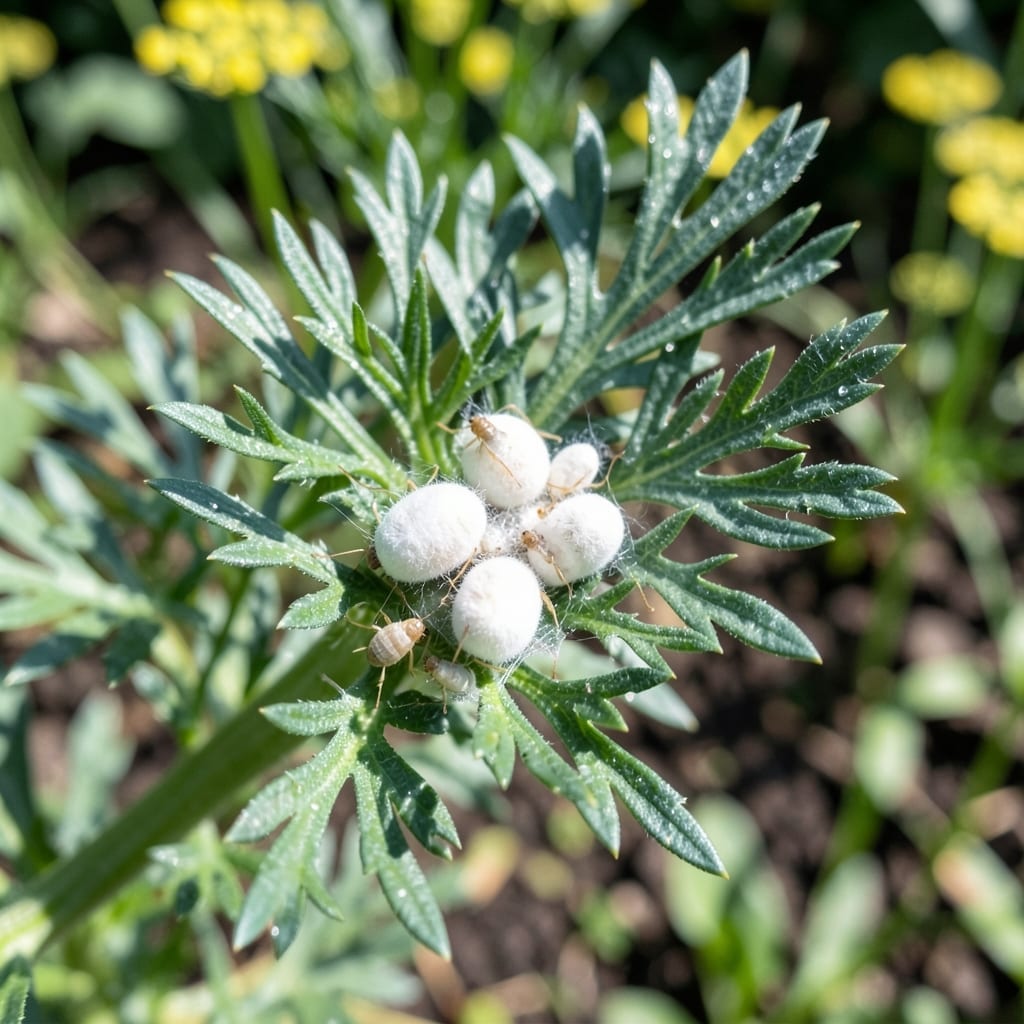
White cottony clusters on your dill mean trouble. I spotted my first mealybug infestation three seasons ago and nearly lost an entire herb bed to their slow, sap-sucking destruction.
These pests love the tender new growth of dill, but they’re not invincible. A sharp eye catches them early—check stem joints and leaf axils where they hide like tiny white ghosts.
You can fight back without harsh chemicals. A soap-spray solution and some persistence knocked them out of my garden for good. The key is consistency and catching them before they spread.
Prevention beats treatment every time. Healthy plants, proper spacing, and regular inspections keep your dill thriving and mealybug-free all season long.
Mealybugs thrive on dill and other plants due to a combination of environmental and cultural factors. Understanding these causes helps you prevent infestations before they start.
Mealybugs love warm, dry environments. When temperatures rise above 75°F (24°C) and humidity drops below 50%, they reproduce rapidly. Dill grown in greenhouses, indoor containers, or during hot summer months is especially vulnerable. Solution: Increase humidity with a pebble tray or mist plants lightly to deter them.
Dense plantings restrict airflow, creating a perfect hiding spot for mealybugs. These pests spread quickly when plants touch or are spaced too closely. Dill grown in tight clusters (common in herb gardens) is a prime target. Solution: Space dill plants 6–12 inches apart to improve ventilation.
Stressed or weakened dill—whether from underwatering, over-fertilizing, or nutrient deficiencies—is more susceptible to pests. Mealybugs are drawn to plants with soft, new growth, which they pierce to feed on sap. Solution: Maintain consistent watering and avoid excess nitrogen, which encourages tender foliage.
Mealybugs can hitchhike on infected soil, gardening tools, or even newly purchased plants. If you’ve had past infestations, eggs or nymphs may linger in the soil or on pots. Solution: Sterilize tools with rubbing alcohol and inspect new plants thoroughly before introducing them to your garden.
Mealybugs can be stubborn, but these targeted solutions will help you reclaim your dill plants without harsh chemicals. Start by addressing the infestation directly, then take steps to keep them from returning.
If you catch the problem early, a hands-on approach works best. Dip a cotton swab in rubbing alcohol (70% isopropyl) and gently dab each mealybug to dissolve its protective waxy coating. For larger clusters, use a soft toothbrush dipped in soapy water to dislodge them. Rinse the plant with a gentle stream of water afterward.
Tip: 💡 Check the undersides of leaves and stem joints—mealybugs love to hide in these spots!
Mix 1 tablespoon of mild liquid soap (like Castile soap) with 1 quart of water and spray it directly onto the affected areas. The soap disrupts the pests’ cell membranes, dehydrating them. Reapply every 4–7 days until the mealybugs are gone. Avoid harsh detergents, as they can damage the dill.
Invite beneficial insects like ladybugs, lacewings, or parasitic wasps into your garden. These predators feed on mealybugs and can provide long-term control. Plant companion flowers like marigolds or alyssum to attract them. If you’re indoors, consider purchasing ladybugs from a garden center.
Pro tip: ✨ Rotate your crops yearly to disrupt pest life cycles and maintain a healthier garden ecosystem.
Look for white cottony clusters in leaf axils and stem joints. These resemble tiny cotton balls and often appear first on new growth.
Yes! Mix 1 tablespoon neem oil with 1 quart water and 1 teaspoon soap. Spray weekly for prevention or every 3-4 days for active infestations.
They crawl or get carried by wind to nearby plants. Isolate infested dill immediately to prevent garden-wide outbreaks.
Dab individual pests with rubbing alcohol on a cotton swab. This dissolves their protective coating and kills them on contact.