
Beautiful Plants For Your Interior
Beautiful Plants For Your Interior
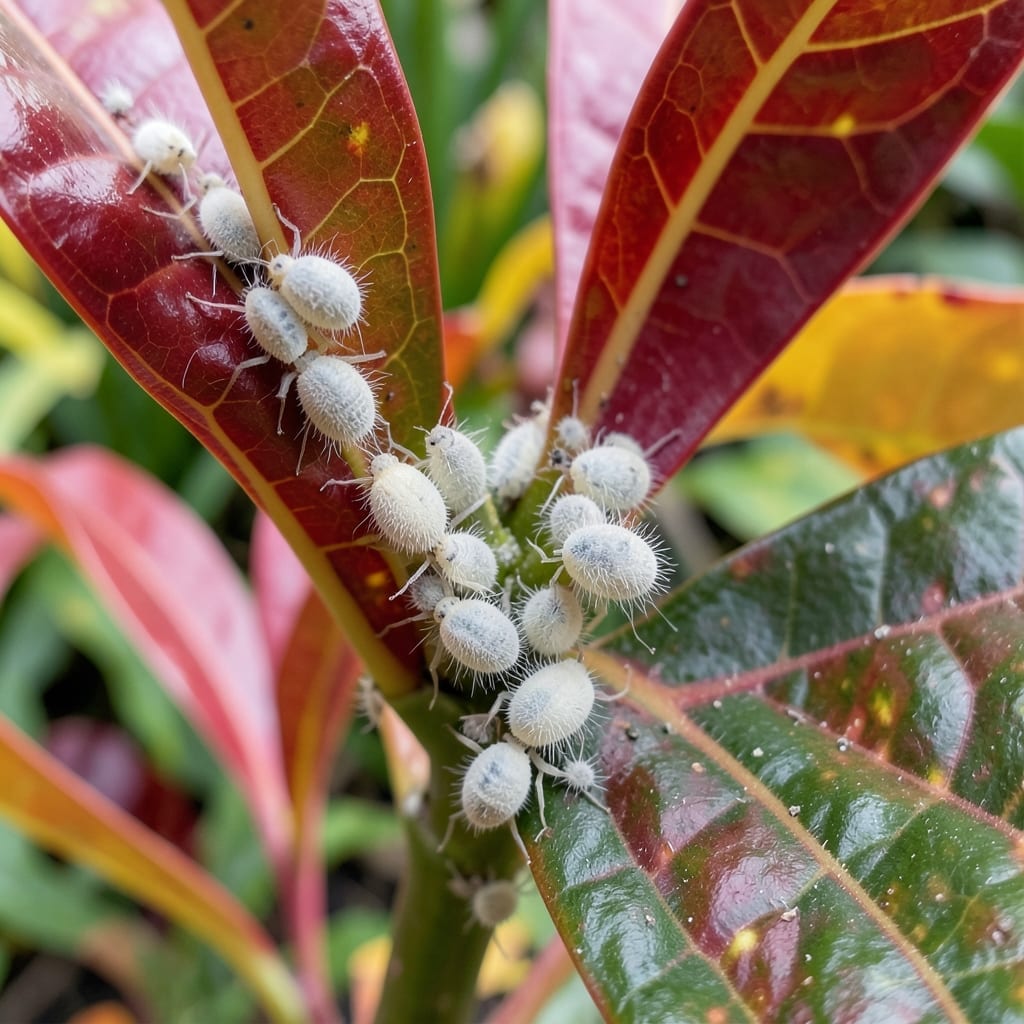
Those white cottony clusters on your croton leaves aren’t just unsightly—they’re mealybugs, and they’ll spread if ignored. I’ve battled these pests on my own crotons, and the good news is they’re beatable without harsh chemicals.
The first sign is usually sticky residue on leaves or nearby surfaces. Left untreated, mealybugs weaken plants by sucking sap, causing yellowing and leaf drop. But with the right approach, you can stop them in their tracks.
Non-toxic solutions like alcohol sprays and neem oil work surprisingly well. The key is consistency—treating every 3-4 days until the infestation clears completely.
Prevention is simpler than you think: regular inspections, proper watering, and good airflow keep these pests from returning. Your crotons will thank you with vibrant, healthy growth.
Mealybugs thrive on crotons due to a mix of environmental and plant health factors. Understanding these causes helps you prevent and address outbreaks effectively.
Mealybugs flourish in warm, low-humidity environments, which are common indoors. Crotons, native to tropical climates, often struggle in dry air, making them more susceptible. These pests reproduce rapidly in temperatures between 70–80°F (21–27°C), especially when humidity drops below 50%.
Inconsistent watering weakens crotons, stressing the plant and reducing its natural defenses. Overwatering leads to root rot, while underwatering causes leaf drop—both attract mealybugs, which target stressed plants. These pests also hide in damp soil, exploiting poor drainage.
Mealybugs spread quickly in overcrowded plant setups or when dead leaves and debris accumulate. Crotons with dense foliage provide perfect hiding spots. Poor airflow and lack of pruning create ideal breeding grounds for these pests.
Indoor crotons often lack beneficial insects like ladybugs or lacewings, which naturally control mealybug populations. Without these predators, infestations can spiral out of control, especially if the plant is isolated from other greenery.
Mealybugs can be stubborn, but with the right approach, you can restore your crotons to health. Below are targeted solutions based on the severity of the infestation, along with prevention tips to keep them from returning.
For a small number of mealybugs, start with a gentle, hands-on approach:
If mealybugs have spread, use these non-toxic sprays for a stronger defense:
Stop mealybugs before they start with these proactive habits:
Consistency is key! Repeat treatments as needed, and always monitor your crotons for early signs of reinfestation.
Treat every 3-4 days with alcohol or soap sprays for active infestations. For prevention, inspect weekly and apply neem oil every 2 weeks. Consistency breaks their life cycle.
Yes! Mix 1 tablespoon castile soap with 1 quart of water and spray directly on bugs. Avoid harsh detergents, and rinse leaves after 20 minutes to prevent residue.
Mealybugs hide in leaf axils and soil. Check under leaves and in crevices during treatments. Isolate new plants for 2-3 weeks to stop reintroductions.
Yes, but use 70% isopropyl and test on one leaf first. Dab pests gently—don’t soak leaves. Avoid treating in direct sunlight to prevent burning.