
Beautiful Plants For Your Interior
Beautiful Plants For Your Interior
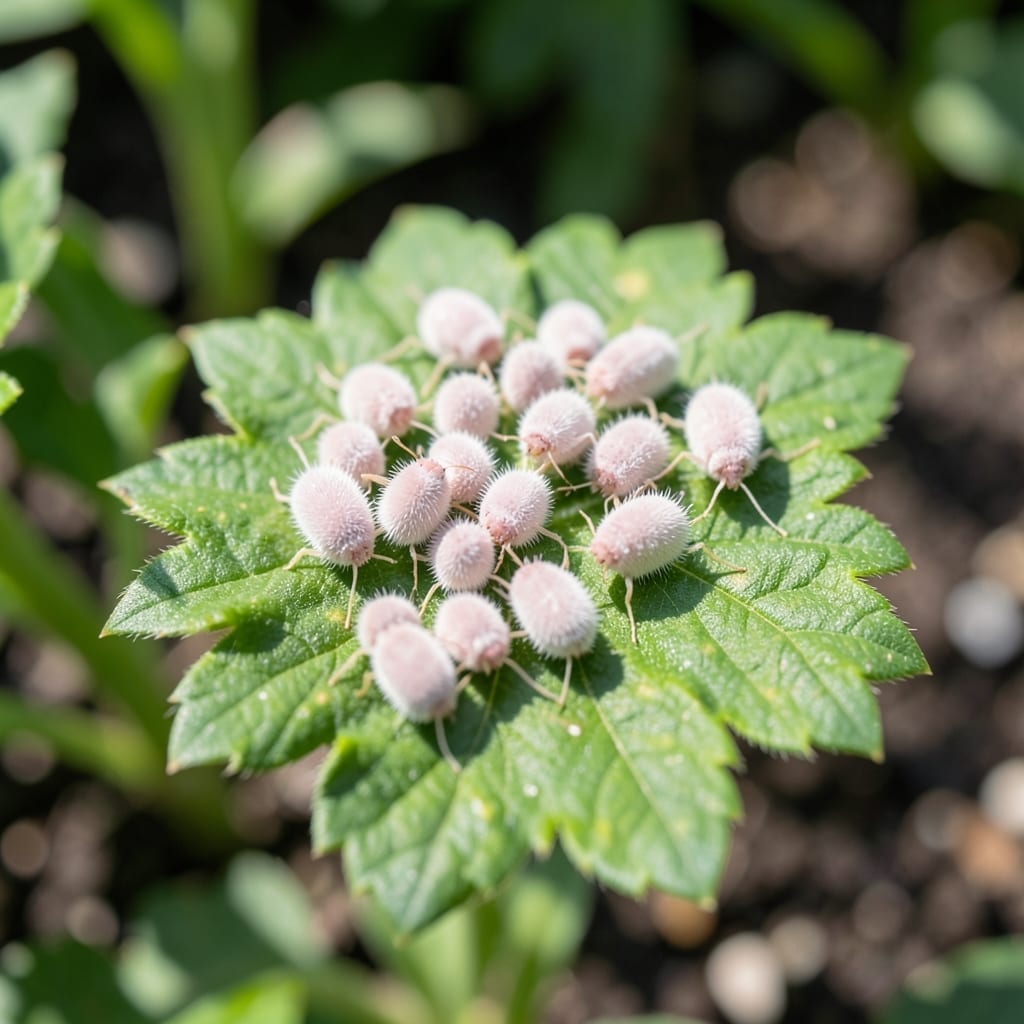
White cottony spots on your chrysanthemums mean trouble. I’ve battled mealybugs more times than I’d like to admit, and these pests spread fast if you don’t act.
The good news? Neem oil stops them in their tracks. It disrupts their life cycle, smothers existing bugs, and prevents new ones from hatching—all without harsh chemicals.
You’ll see results within 24-48 hours of application. The plants recover quickly, and the solution keeps working long after you spray.
Works for indoor and outdoor mums, and it’s safe for beneficial insects when used correctly. Here’s how to apply it right.
Mealybugs thrive on chrysanthemums due to a mix of environmental, biological, and cultural factors. Understanding these causes helps prevent infestations before they start.
Mealybugs reproduce rapidly in warm (70–90°F) and low-humidity environments. Chrysanthemums grown in greenhouses or indoor settings often create ideal breeding grounds. The pests prefer dry foliage, as moisture disrupts their waxy protective coatings.
Dense plantings with poor air circulation trap humidity and limit natural predators (like ladybugs). Stressed chrysanthemums—from drought, nutrient deficiencies, or root damage—emit volatile compounds that attract mealybugs, signaling a weak host.
Mealybugs spread via infested soil, pots, or pruning tools. Reusing unsterilized containers or moving cuttings between plants introduces populations. Their eggs can lie dormant in soil for months, hatching when conditions improve.
Over-fertilizing with nitrogen promotes soft, succulent growth—a mealybug favorite. Chrysanthemums with high nitrogen levels (but low phosphorus/potassium) lack the structural defenses to resist piercing mouthparts.
Mealybugs can be stubborn, but these proven fixes will help you reclaim your chrysanthemums. Tackle the issue based on the cause for the best results.
If you spot a few mealybugs early, act fast. Prune heavily infested leaves or stems and dispose of them in sealed bags. For remaining bugs, dip a cotton swab in rubbing alcohol (70%) and gently wipe them off. This kills them on contact without harming your chrysanthemums.
Prevention tip: Inspect new plants before bringing them near your garden to avoid introducing pests. 💡
For larger outbreaks, a neem oil solution works wonders. Mix 1 tbsp neem oil + 1 tsp mild soap + 1 quart of water. Spray the mixture evenly on all plant surfaces, focusing on leaf undersides where mealybugs hide. Reapply every 3–4 days until the pests are gone.
Prevention tip: Apply neem oil preventatively every 2–3 weeks during growing season to deter future infestations. ✨
In a pinch, insecticidal soap can provide fast relief. Mix 1 tbsp mild liquid soap with 1 quart of water and spray directly on mealybugs. The soap disrupts their protective coating, causing them to dehydrate. Use in the early morning or late evening to avoid leaf burn.
Prevention tip: Avoid over-fertilizing, as excessive nitrogen can attract mealybugs. 🎯
Encourage beneficial insects like ladybugs and lacewings, which feed on mealybugs. Plant pollinator-friendly flowers nearby or purchase these predators from garden centers. Release them in the evening for the best results.
Prevention tip: Limit pesticide use to protect these helpful allies. 🌡️
Apply neem oil every 3–4 days for active infestations. Continue until all signs disappear, then switch to every 2–3 weeks for prevention. Always spray in the evening to avoid leaf burn.
No, 70% rubbing alcohol is safe for spot treatment. Use a cotton swab to target only the pests, avoiding excessive application to leaves. This method kills bugs on contact without damaging plants.
Warm, dry conditions and over-fertilizing with nitrogen create ideal environments. Stressed plants also emit signals that draw mealybugs in search of weak hosts.
Yes! Ladybugs are natural predators that feed on mealybugs. Release them in the evening near infested plants, and avoid pesticides to protect these helpful insects.