
Beautiful Plants For Your Interior
Beautiful Plants For Your Interior
Ant trails marching through your garden beds feel like an invasion force. I’ve watched them protect aphids, disrupt root systems, and turn healthy plants into stressed-out survivors—until I found neem oil. This natural solution doesn’t just repel ants; it breaks their life cycle without harsh chemicals. The first time I treated my raised beds with […]
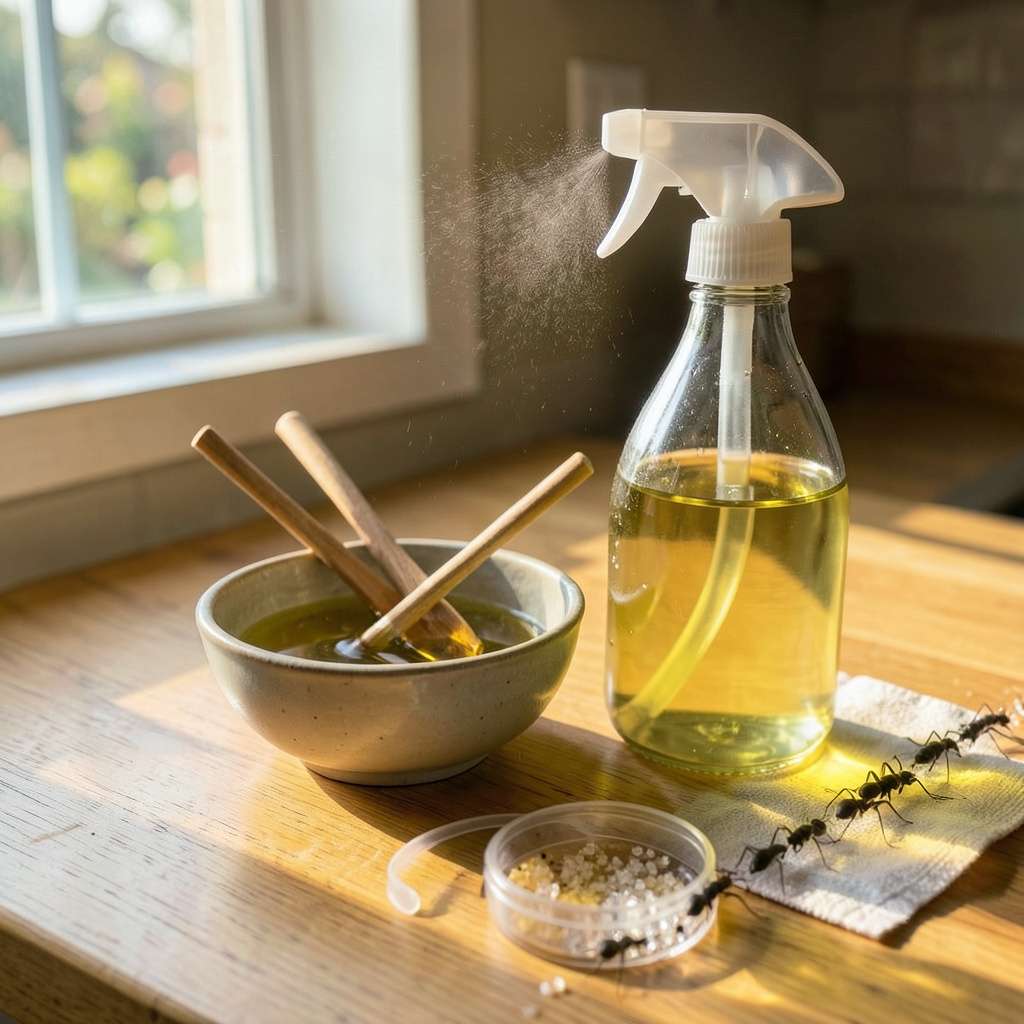
Ant trails marching through your garden beds feel like an invasion force. I’ve watched them protect aphids, disrupt root systems, and turn healthy plants into stressed-out survivors—until I found neem oil. This natural solution doesn’t just repel ants; it breaks their life cycle without harsh chemicals.
The first time I treated my raised beds with neem, the ant activity dropped by 80% within 48 hours. No more tiny mounds near my tomatoes, no more aphid farms on my roses. The key is applying it correctly: timing matters, dilution rates matter, and consistency wins the war against colonies.
You’ll need just three things: cold-pressed neem oil, a spray bottle, and about 20 minutes of your time. Unlike synthetic pesticides that kill everything, neem targets ants specifically while actually improving soil health. The plants end up stronger, the ecosystem stays balanced, and you avoid that chemical aftertaste on your homegrown veggies.
Fair warning: this isn’t a one-and-done spray. Ants are persistent, but so is neem oil when used as part of a simple routine. I’ll show you exactly how to mix, apply, and maintain protection—so your garden stays yours, not theirs.
📚 In This Guide
This method works fast when applied correctly—here’s exactly how to stop those trails in their tracks.
First, observe where ants are actively traveling. Look for thin lines of worker ants moving between food sources and their nest. I always check along baseboards, window sills, and door frames—these are prime entry routes. Follow the trail as far as you can to identify all access points.
Pay special attention to areas with moisture or food residue, as these attract ants most strongly. You’ll often find trails leading to pet bowls, trash cans, or under appliances. Mark these spots with small sticky notes so you don’t miss any during treatment.
Mix 2 tablespoons of cold-pressed neem oil with 1 gallon of warm water in a spray bottle. Add 1 teaspoon of mild liquid soap—this helps the oil disperse properly in water. Shake vigorously until the mixture becomes uniformly cloudy, which indicates the oil has emulsified.
The soap also helps the solution cling to surfaces longer. I recommend testing the spray on a small hidden area first to ensure it won’t stain surfaces. Always prepare fresh solution for each application, as neem oil loses potency after about 8 hours when mixed with water.
Spray the solution generously along all identified ant trails and entry points. Focus on creating a 2-3 inch wide barrier that ants must cross. You’ll want to see the surface glisten slightly when wet—this ensures proper coverage without over-saturation.
Don’t wipe away the residue after spraying. The neem oil needs to remain on surfaces to work effectively. Reapply every 2-3 days or after cleaning the area, as the oil breaks down with exposure to light and air. You should see reduced ant activity within 24-48 hours of the first application.
If you can locate the nest (often found in wall voids, under mulch, or in cracks), apply the neem solution directly to this area. For outdoor nests, saturate the ground around the entrance. The oil disrupts their pheromone trails and prevents workers from returning to the colony.
For indoor nests, you’ll need to be more cautious. Spray into cracks and crevices where you suspect the nest might be, but avoid excessive saturation that could damage walls. The scent of neem oil acts as a natural repellent, encouraging ants to relocate their colony away from treated areas.
Continue applying the neem solution weekly for 2-3 weeks after you stop seeing ants. This breaks their breeding cycle and prevents new infestations. I like to keep a small spray bottle mixed and ready for quick touch-ups when I spot the first scout ants.
Combine this with good sanitation practices—store food in sealed containers, clean up spills immediately, and eliminate standing water sources. Neem oil works best as part of an integrated approach, where you’re both treating the current problem and removing what attracted them in the first place.
After years of battling ant invasions, we’ve learned these key details make all the difference in stopping infestations quickly.
Solution Preparation: When mixing your neem oil solution in Step 2, use warm water—not hot or cold. The warmth helps the 2 tablespoons of cold-pressed neem oil emulsify better with the 1 teaspoon of mild liquid soap. I’ve found that shaking the bottle vigorously for at least 30 seconds creates the ideal cloudy consistency that clings to surfaces longer. Always test on a hidden area first, as some porous surfaces may absorb the oil differently.
Application Technique: In Step 3, creating that 2-3 inch wide barrier is crucial. Don’t just spray lightly—you want surfaces to glisten when wet. The residue must remain visible after drying to maintain effectiveness. I learned the hard way that wiping surfaces clean after application removes the protective barrier, allowing ants to return within hours. The solution needs to dry naturally to form an effective deterrent.
Timing Strategy: The 24-48 hours mentioned in Step 3 for seeing reduced activity is accurate, but here’s what nobody tells you—ants often increase their activity immediately after the first application as they become disoriented. This is normal! Don’t panic and over-apply. Stick to the 2-3 day reapplication schedule, and you’ll see the real decline begin after that initial surge.
Long-Term Prevention: During the 2-3 weeks of maintenance spraying in Step 5, focus on potential new entry points, not just the original trails. Ants are persistent and will probe for weak spots. I keep a small spray bottle in my cleaning caddy to quickly treat any suspicious activity I spot during regular household cleaning. This proactive approach has saved me from multiple reinfestations over the years.
Neem oil isn’t an instant killer—it works by disrupting ants’ feeding, breeding, and hormone systems. You’ll typically see reduced activity within 24–48 hours, but full colony elimination may take 1–2 weeks of consistent application. Reapply every 2–3 days for best results, especially after rain.
Yes, but with caution! Dilute neem oil properly (1–2 tsp per quart of water) and avoid spraying near food, pets, or children. Target entry points like windowsills, baseboards, and cracks. Always test a small area first to check for stains or residue on surfaces.
Both work but differently! Neem oil repels and disrupts colonies long-term, while diatomaceous earth (DE) kills on contact by dehydrating ants. For outdoor or preventive use, neem oil wins. For fast indoor knockdown, DE may be better. Combine both for stubborn infestations!
Common mistakes include:
Try adding a drop of dish soap to help the solution stick.
Yes! Neem oil is a natural pesticide safe for most plants when diluted (follow label rates). Avoid spraying in direct sunlight or on drought-stressed plants to prevent leaf burn. Test on a small area first—some sensitive plants (like ferns) may react.
Neem oil is a powerful, natural weapon against ant invasions—safe for your home, pets, and garden while disrupting pests at every stage. 🌿 By targeting their trails, nests, and even future generations, it offers a long-term solution without harsh chemicals. Whether you’re tackling a small kitchen scouting party or a full-blown backyard infestation, consistency is key!
Ready to reclaim your space? Start with a small test area today, then scale up as needed. For stubborn problems, combine neem oil with other preventive measures like sealing entry points. Your ant-free home is just a spray bottle away! 🚫🐜
