
Beautiful Plants For Your Interior
Beautiful Plants For Your Interior
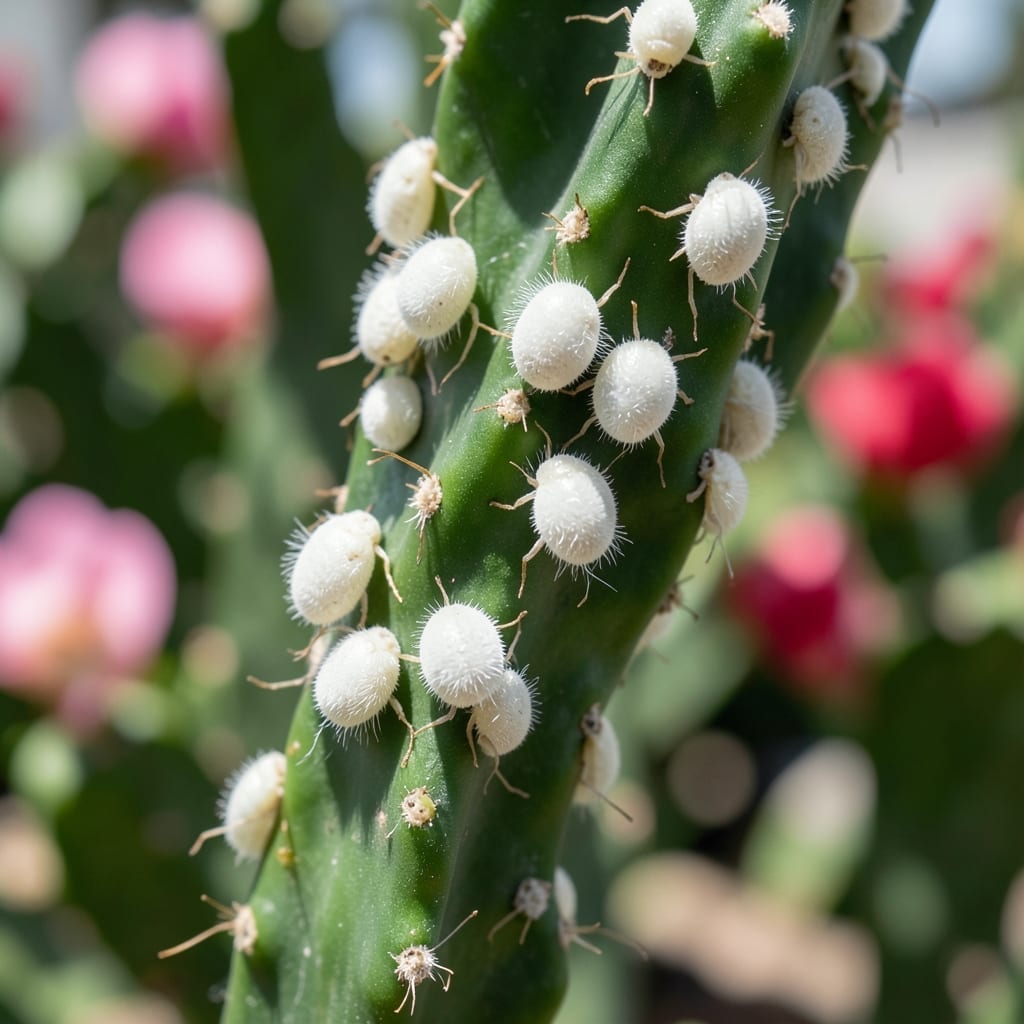
White fluff on your Christmas cactus isn’t snow—it’s mealybugs. I’ve battled these pests for years and learned they spread fast if ignored. The good news? Organic solutions work fast when you catch them early.
These bugs suck plant juices, weakening growth and stealing blooms. But here’s the thing—they’re soft-bodied and vulnerable to simple treatments. A cotton swab dipped in rubbing alcohol takes out visible clusters in minutes.
With consistent checks and the right approach, your cactus will rebound with vibrant blooms. No harsh chemicals needed, just a few household items and a little persistence.
Works for holiday cacti, succulents, and other houseplants too. Let’s clear them out for good.
Mealybugs on Christmas cacti often appear due to a mix of environmental and care-related factors. Here’s why they show up:
Christmas cacti thrive in moderate humidity. When indoor air is too dry—common in winter due to heating—mealybugs find it easier to settle and multiply. These pests prefer low-moisture environments where plant defenses weaken.
Inconsistent watering stresses the plant, making it vulnerable. Overwatering creates soggy soil that attracts mealybugs, while underwatering weakens the cactus, reducing its ability to resist infestations. Aim for even moisture without waterlogging.
Mealybugs hitchhike on unsterilized potting mix or gardening tools. If you reuse soil or tools from infested plants, you risk introducing pests. Always pasteurize soil and clean tools with rubbing alcohol before use.
A dense plant arrangement limits airflow, creating a humid microclimate that mealybugs love. Additionally, stressed or weak Christmas cacti (due to poor light or nutrient deficiencies) are prime targets for pests.
New plants can carry mealybugs without visible signs. Skipping a 2-3 week quarantine period allows pests to spread to your Christmas cactus. Always inspect and isolate new additions to your collection.
Mealybugs on your Christmas cactus can be stubborn, but with the right approach, you can restore your plant’s health. Here’s how to tackle the issue head-on, depending on the cause.
If you catch the mealybugs early, a simple alcohol solution works wonders. Mix 1 part rubbing alcohol (70% isopropyl) with 3 parts water and dab the pests directly with a cotton swab. Test a small area first to ensure your cactus tolerates it. Repeat every few days until the bugs are gone.
For heavier cases, use neem oil or insecticidal soap. Spray the entire plant, focusing on leaf joints and undersides where mealybugs hide. Apply in the evening to avoid leaf burn, and reapply weekly for 2–3 weeks to break their life cycle.
If the roots are infested, remove the plant from its pot and soak the roots in a mix of water and insecticidal soap for 10–15 minutes. Repot in fresh, sterile soil to prevent reinfestation.
With consistency, your Christmas cactus will bounce back—bug-free and blooming beautifully! ✨
Mealybugs look like white cottony clusters, often in leaf joints or undersides. Dust wipes away easily, but mealybugs stick and leave a sticky residue. Check with a magnifying glass for tiny, oval bugs under the fluff.
Yes, mix 1 teaspoon mild dish soap with 1 liter water and spray the plant. Avoid harsh soaps that can damage leaves. Reapply every 5-7 days until gone.
With consistent treatment and good care, your cactus will bounce back. Focus on proper light, water, and humidity to help it regain strength.
Reinfestation often happens from untreated eggs or nearby infested plants. Isolate your cactus, treat all plants in the area, and check new additions carefully.