
Beautiful Plants For Your Interior
Beautiful Plants For Your Interior
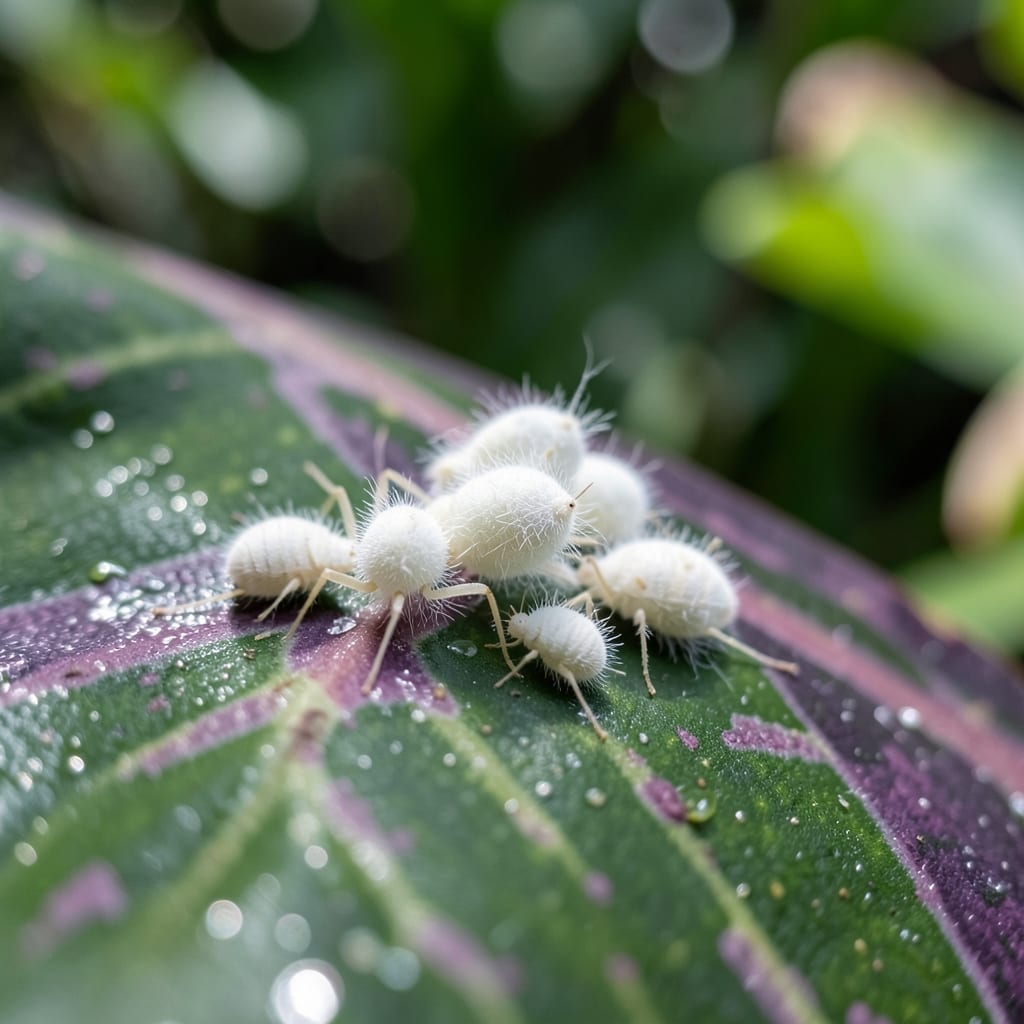
White cottony clusters on your calathea leaves spell trouble. Mealybugs spread fast if ignored, turning vibrant foliage into a sad, sticky mess in weeks.
I’ve battled these pests on my own plants, and the key is catching them early. A cotton swab dipped in rubbing alcohol removes visible bugs immediately, but that’s just the first step.
You’ll need to treat the roots too, since mealybugs hide where you can’t see. Natural options like neem oil or insecticidal soap work without harsh chemicals.
Regular inspections and proper humidity levels prevent future outbreaks. Your calathea will bounce back with healthier, shinier leaves than before.
Mealybugs thrive on Calathea plants due to a mix of environmental and care-related factors. Below are the primary causes, explained with actionable insights.
Calatheas love humidity, but so do mealybugs. These pests flourish in warm, moist environments (70–80°F with 60%+ humidity). Stagnant air in terrariums or tightly grouped plants accelerates their spread. Fix: Improve airflow with a small fan or space plants apart.
Soggy soil creates a breeding ground for mealybugs, which feed on root exudates and weakened plant tissues. Calatheas in waterlogged pots or compacted soil are especially vulnerable. Fix: Use well-draining mixes (e.g., perlite + peat) and water only when the top inch of soil is dry.
Excess nitrogen in fertilizers promotes soft, succulent growth—a mealybug’s favorite. Over-fertilized Calatheas also produce more sap, attracting pests. Fix: Reduce fertilizer frequency (monthly in growing season) and flush soil with water to remove salt buildup.
Mealybugs often hitchhike on newly purchased or propagated plants. A single infested Calathea cutting can spread pests to your entire collection. Fix: Quarantine new plants for 2–3 weeks and inspect stems/leaf axils with a magnifying glass.
Indoor environments lack mealybug predators like ladybugs or lacewings. Without these checks, populations explode. Fix: Introduce beneficial insects (e.g., Cryptolaemus montrouzieri) or use neem oil as a preventive spray.
Mealybugs can be stubborn, but these targeted solutions will help you reclaim your calathea’s health. Act fast to prevent these pests from spreading to other plants.
If you spot a few mealybugs early, gently wipe them off with a cotton swab dipped in rubbing alcohol (70% isopropyl). Focus on leaf undersides, stems, and leaf joints where they hide. Repeat daily until none remain.
Mix 1 teaspoon of mild liquid soap (like Castile) with 1 liter of water and spray directly on the bugs. The soap breaks down their protective waxy coating. Rinse the plant after 15 minutes to avoid leaf damage. Apply every 3–4 days until gone.
Introduce ladybugs, lacewings, or parasitic wasps—natural enemies of mealybugs—to your plant area. These beneficial insects keep populations in check without chemicals. Best for outdoor calatheas or greenhouses.
Consistency is key—combine treatments and monitor your calathea weekly to ensure these pests don’t return.
Look for white, cottony clusters in leaf axils, stem joints, or undersides. Early signs include sticky residue or yellowing leaves. A magnifying glass helps catch tiny nymphs before they spread.
Vinegar isn’t effective against mealybugs. Stick to rubbing alcohol or insecticidal soap. Vinegar can harm your calathea’s leaves and won’t eliminate the infestation.
Mealybugs hide in soil or nearby plants. Treat the entire plant, including roots, and isolate it from others. Check neighboring plants for hidden pests.
Yes, neem oil is gentle and effective. Dilute with water and spray lightly, avoiding direct sunlight to prevent leaf burn. Reapply every 7-10 days.