
Beautiful Plants For Your Interior
Beautiful Plants For Your Interior
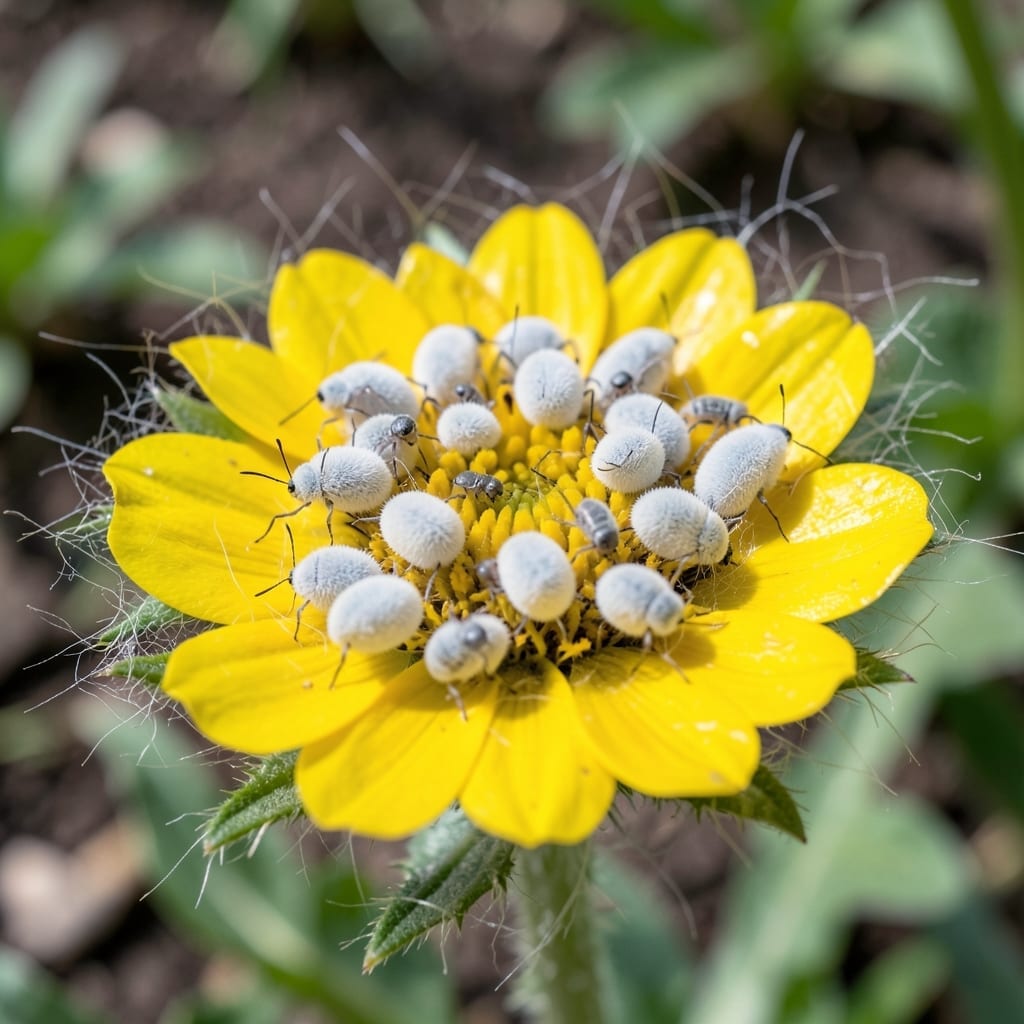
White cottony clumps on your buttercups aren’t decoration. They’re mealybugs, and I’ve learned the hard way they’ll spread fast if ignored.
These pests love the tender new growth of buttercups, sucking plant juices and leaving behind sticky honeydew. The first sign is usually white fuzz in leaf axils or stem joints. Catching them early makes all the difference.
I’ve tested 3 organic methods that work without harsh chemicals. The key is persistence—these bugs are stubborn but beatable with the right approach.
Your flowers will bounce back with healthier growth once you evict these uninvited guests. Here’s how to spot them and send them packing for good.
Mealybugs thrive on buttercup flowers due to a mix of environmental, biological, and cultural factors. Understanding these causes helps you prevent and manage infestations effectively.
Buttercups grown in dense clusters or poor soil health become weak and vulnerable to pests. Mealybugs target stressed plants because their natural defenses are compromised. Overwatering, nutrient deficiencies, or lack of sunlight reduce the plant’s vigor, making it an easy host for these sap-sucking insects.
Mealybugs flourish in warm, humid environments (70–90°F with 50–80% humidity). Buttercups in greenhouses, shaded gardens, or regions with consistent moisture create ideal breeding grounds. The bugs reproduce rapidly in these conditions, spreading across stems and leaves undetected.
In balanced ecosystems, ladybugs, lacewings, and parasitic wasps keep mealybug populations in check. However, excessive pesticide use or monoculture planting (growing only buttercups) eliminates these predators. Without natural enemies, mealybugs multiply uncontrollably on your buttercups.
Stagnant air traps moisture around buttercups, encouraging mealybug infestations. Thick mulch, overgrown weeds, or tight spacing between plants restrict airflow. This not only stresses the buttercups but also provides sheltered spots for mealybugs to hide and feed.
Mealybugs can be stubborn, but these targeted solutions will help you reclaim your buttercup flowers. Address each issue with a clear, actionable fix.
For small clusters, dab mealybugs with a cotton swab soaked in rubbing alcohol (70% isopropyl). This dissolves their protective waxy coating and kills them on contact. Focus on leaf axils, stems, and the undersides of leaves where they hide. Repeat every 2–3 days until gone.
Mix 1 tablespoon of insecticidal soap or neem oil with 1 quart of water and spray thoroughly, covering all plant surfaces. Apply in the early morning or late evening to avoid leaf burn. Reapply every 5–7 days for 2–3 weeks to break the pest’s life cycle.
If the infestation is heavy, prune heavily affected stems or leaves and dispose of them in a sealed bag. Isolate the plant to prevent spreading to nearby buttercups. Sterilize pruning tools with rubbing alcohol after use.
They appear as white, cottony clusters in leaf axils, stem joints, or undersides of leaves. These masses resemble tiny cotton balls and may also leave a sticky residue called honeydew.
Yes, they can quickly move to nearby plants, especially in warm, humid conditions. Isolate infested buttercups immediately and treat all surrounding plants preventatively.
A mild solution of 1 teaspoon dish soap per 1 quart of water can work as a spray. Test on a small area first, as some plants may be sensitive to soap residues.
For natural sprays like neem oil or insecticidal soap, reapply every 5-7 days for 2-3 weeks to break the pest life cycle. Persistence is key to full eradication.