
Beautiful Plants For Your Interior
Beautiful Plants For Your Interior
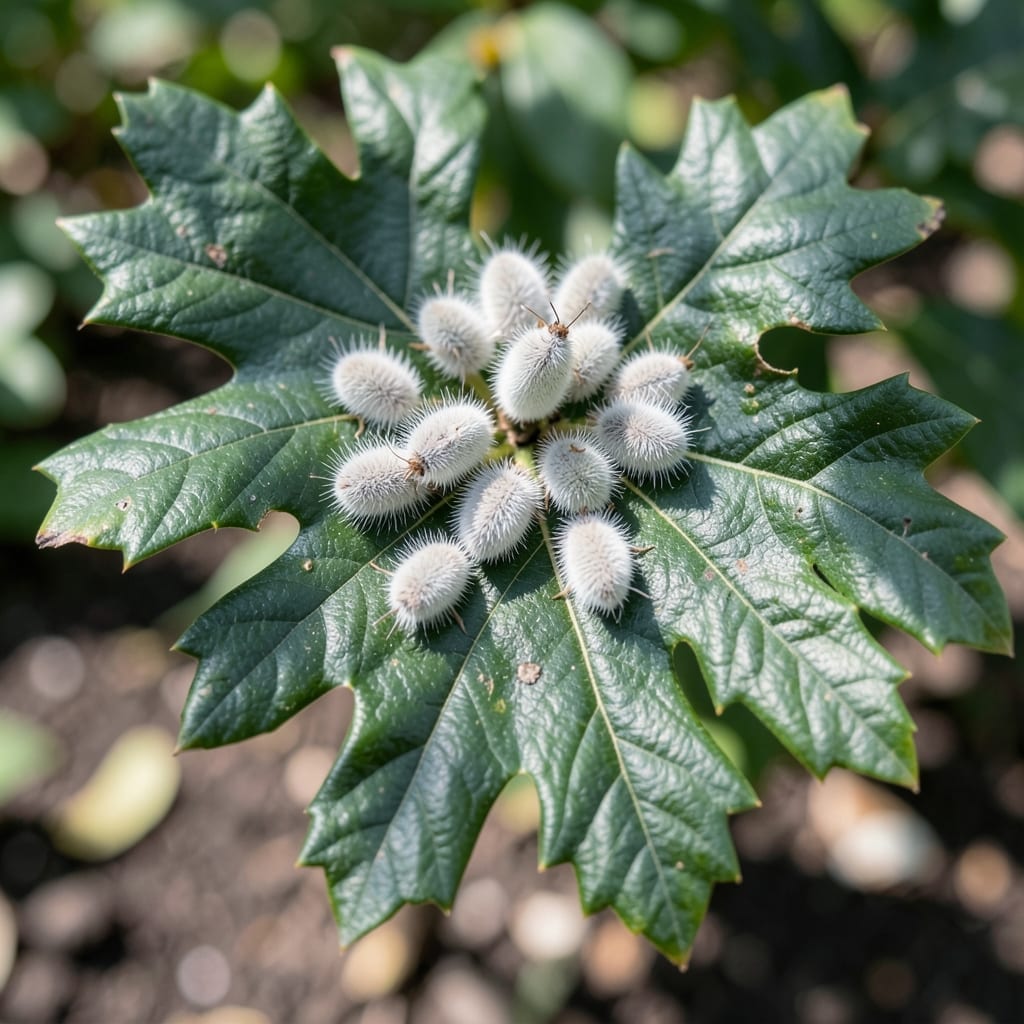
White cottony clusters on your burr oak aren’t just unsightly—they’re a mealybug invasion. I first spotted them on my tree’s undersides and nearly dismissed them as dust.
These pests suck sap, weakening leaves and stunting growth. Left unchecked, they’ll spread to every branch. The good news? Early action stops them cold.
You’ll need a sharp eye and a steady hand, but the treatment is straightforward. A simple spray or targeted removal can save your tree before damage sets in.
Works for young and mature oaks alike. Catch them now, and your tree will thank you by next season.
Mealybugs thrive on burr oaks due to a mix of environmental, biological, and cultural factors. Understanding these causes helps prevent infestations before they take hold. Below are the primary reasons these pests target your tree.
Burr oaks under stress—whether from drought, poor soil, or physical damage—produce weaker defenses. Mealybugs exploit this vulnerability, as stressed trees have reduced tannin and phenolic compound production, which normally deter pests. Ensure consistent watering and nutrient-rich soil to bolster your tree’s resistance.
Mealybugs flourish in cluttered, humid spaces. Fallen leaves, dense mulch, or nearby overgrown plants create ideal breeding grounds. These pests also spread via ant activity, as ants farm mealybugs for their honeydew secretions. Keep the area around your burr oak clean and dry to disrupt their lifecycle.
Mealybugs prefer temperatures between 70–90°F (21–32°C) and low humidity. Burr oaks in arid regions or during dry spells are prime targets. While you can’t control the weather, regular misting (without overwatering) can deter these pests by increasing local humidity.
Excessive chemical treatments can kill off natural predators like ladybugs and lacewings, leaving mealybugs unchecked. Additionally, some populations develop resistance to common insecticides. Opt for integrated pest management (IPM), combining biological controls (e.g., beneficial insects) with targeted treatments.
Mealybugs can be stubborn, but with the right approach, you can protect your burr oak and restore its health. Here’s how to tackle infestations based on their cause:
For small clusters, physical removal works well. Dip a cotton swab in rubbing alcohol (70% isopropyl) and gently dab each mealybug. The alcohol dissolves their protective waxy coating, killing them on contact. Follow up by wiping the area with a damp cloth to remove residue. Repeat every 3–5 days until no bugs remain.
Mix 1 tablespoon of insecticidal soap with 1 quart of water and spray thoroughly on affected areas, focusing on leaf undersides and bark crevices. The soap disrupts their cell membranes, causing dehydration. Reapply every 5–7 days for 2–3 weeks, especially after rain.
💡 Pro Tip: Test the spray on a small area first to avoid leaf burn.
Encourage ladybugs, lacewings, or parasitic wasps—natural mealybug predators—by planting companion flowers like marigolds or alyssum nearby. Avoid broad-spectrum pesticides, which harm beneficial insects.
Look for white, cottony clusters on leaves, stems, or bark. These are the most visible signs, often accompanied by sticky honeydew or black sooty mold.
Rarely, but severe infestations can weaken the tree, stunt growth, and leave it vulnerable to other diseases. Early treatment prevents long-term damage.
Only in emergencies—mix 1 teaspoon of mild dish soap per 1 quart of water. Avoid degreasers or soaps with additives, which may harm the tree.
With soap sprays or alcohol, expect visible reduction in 3–7 days. Full elimination may take 2–3 weeks of consistent application.