
Beautiful Plants For Your Interior
Beautiful Plants For Your Interior
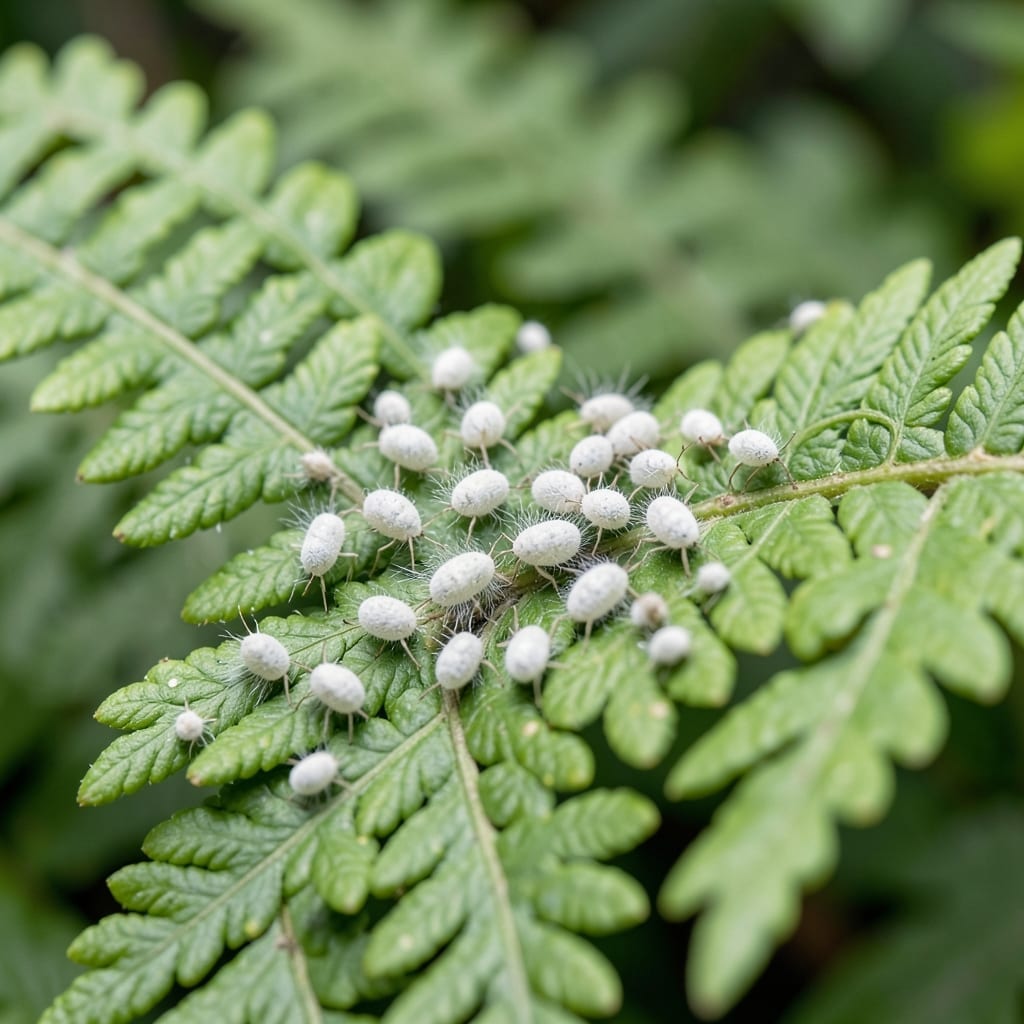
White cottony clusters on your Boston fern mean mealybugs have moved in. I’ve battled these pests on my own ferns, and the right approach saves the plant without harsh chemicals.
These bugs thrive in dry conditions, so humidity is your first defense. A simple wipe with soapy water removes visible pests, but you’ll need to treat the roots too for complete control.
Within 2-3 weeks, your fern will show new, healthy fronds if you stay consistent. The key is catching them early before they spread to other plants.
Works for indoor ferns, greenhouse plants, or patio collections. Here’s how to reclaim your lush foliage.
Mealybugs thrive on Boston ferns due to a few key environmental and care-related factors. Understanding these causes helps prevent infestations and keeps your fern healthy. Below are the most common reasons these pests appear.
Mealybugs flourish in warm, low-humidity environments. Boston ferns prefer 60–75°F (15–24°C) with 50–80% humidity. When indoor air is too dry (common in winter or with HVAC use), the fern’s natural defenses weaken, making it a prime target. These pests also reproduce faster in stable, warm climates.
Underwatering stresses the fern, reducing its ability to resist pests. Conversely, overwatering can lead to root rot, which attracts mealybugs seeking decaying plant matter. Inconsistent moisture levels disrupt the fern’s health, creating entry points for infestations.
Stagnant air around the fern traps moisture and heat, creating a microclimate ideal for mealybugs. Boston ferns need gentle airflow to discourage pests. Crowded plants or placement in a corner with no ventilation can exacerbate the problem.
Ferns that aren’t regularly inspected or cleaned are more vulnerable. Dust on fronds blocks pores, stressing the plant, while missed early signs (like white cottony spots) allow mealybugs to multiply unchecked. Proactive care—such as wiping leaves and isolating new plants—prevents outbreaks.
Tackling mealybugs on your Boston fern is simpler than you think! Below are targeted solutions for common causes, plus prevention tips to keep your fern thriving. 🌿✨
If you notice a few mealybugs, act fast with these steps:
For larger outbreaks, a more thorough approach is needed:
Stop mealybugs before they start with these habits:
Pro tip: 🎯 Consistency is key! Mealybugs can hide in nooks, so repeat treatments until your fern is bug-free for at least 2 weeks.
Vinegar can kill mealybugs on contact, but it may also damage the fern’s delicate fronds. Stick to 70% isopropyl alcohol or insecticidal soap for safer, more effective results without harming your plant.
For active infestations, treat every 3-4 days until gone, then continue weekly for 2 weeks to catch any hatchlings. Consistency prevents reinfestation and keeps your fern healthy.
Reinfestation often happens from neighboring plants or hidden eggs. Isolate your fern, clean nearby surfaces, and inspect all plants in the area to break the cycle completely.