
Beautiful Plants For Your Interior
Beautiful Plants For Your Interior
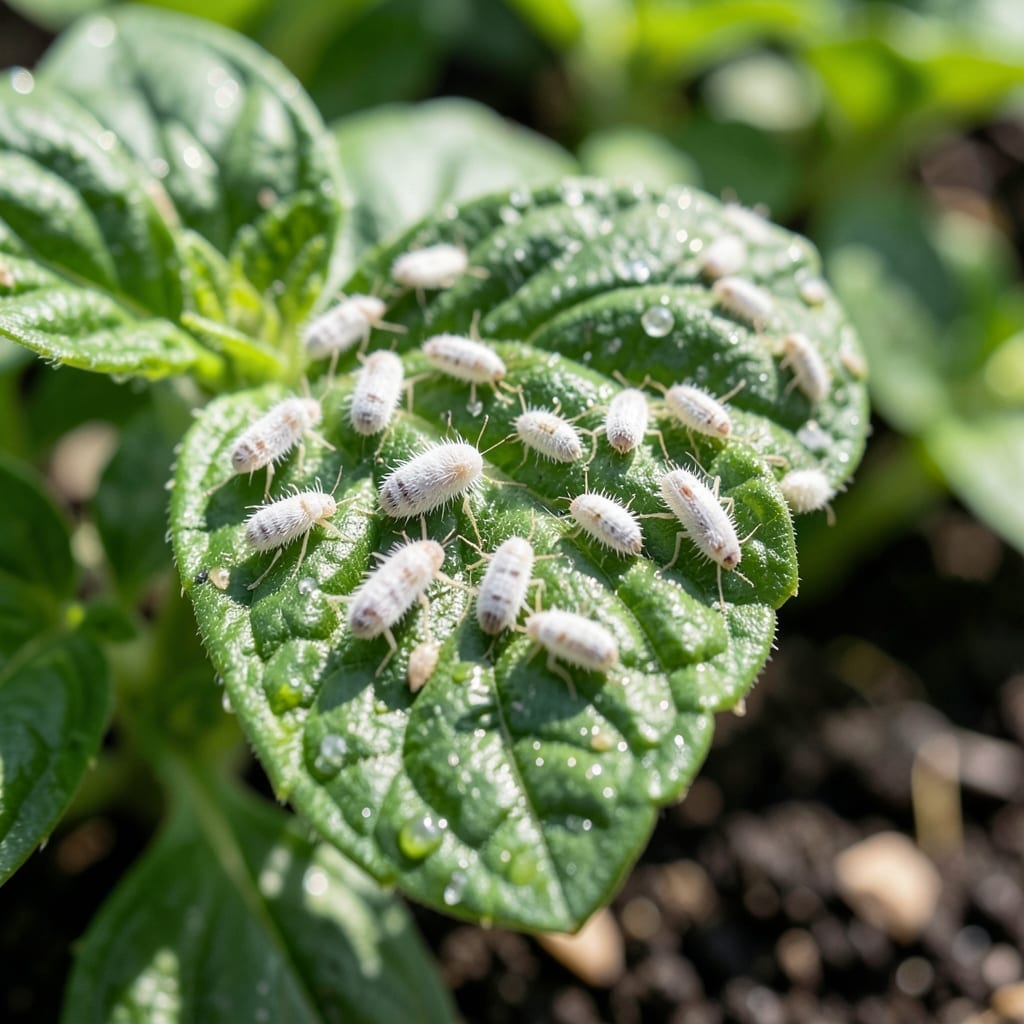
White cottony spots on your basil leaves mean war. 🌱 I lost three plants before figuring out how to stop mealybugs without chemicals that ruin the flavor.
The key is catching them early—those fuzzy clusters spread fast in warm, dry conditions. A simple spray of soap and water knocks them back, but you need to hit every leaf surface.
Within 2-3 treatments, your basil will recover its vibrant green leaves and that signature scent. Prevention is easier than cure, so I’ll show you how to keep them from coming back.
Works for indoor pots and garden beds alike. No harsh chemicals, just consistent care.
Mealybugs thrive on basil due to a mix of environmental and cultural factors. Here’s why they appear and how to address the root causes:
Mealybugs flourish in warm, low-humidity environments (70–80°F). Basil grown indoors or in greenhouses is especially vulnerable if airflow is poor. These pests desiccate less in dry air, allowing populations to explode. Fix: Increase humidity with a pebble tray or mist plants lightly (avoid soggy foliage).
Dense plantings or nutrient-deficient basil (e.g., nitrogen overload) weaken natural defenses. Mealybugs target stressed plants, which produce fewer terpenes—compounds that repel pests. Fix: Thin seedlings, ensure balanced fertilizer (e.g., 5-5-5 NPK), and prune regularly for airflow.
Outdoors, ladybugs, lacewings, and parasitic wasps keep mealybugs in check. Indoor basil or monoculture gardens lack these allies. Fix: Introduce Cryptolaemus montrouzieri (mealybug destroyer beetles) or spray neem oil to disrupt their lifecycle.
Soggy soil stresses basil and fosters root mealybugs, which migrate upward. Conversely, drought-stressed plants also attract sap-sucking pests. Fix: Water when the top inch of soil is dry; use well-draining pots with cactus mix.
Pro Tip: Quarantine new plants for 2–3 weeks—mealybugs often hitchhike on store-bought herbs! 💡
Dealing with mealybugs on your basil doesn’t have to be a losing battle. Here’s how to tackle the issue based on the cause, with simple, organic solutions and prevention tips to keep your plants thriving.
If you catch the mealybugs early, a targeted approach works best. Dip a cotton swab in rubbing alcohol (70% isopropyl) and gently dab each bug to dissolve their protective coating. For larger clusters, use a soft toothbrush dipped in alcohol to dislodge them. Rinse the leaves with water afterward to remove residue.
Prevention tip: 💡 Inspect new plants before bringing them near your basil to avoid introducing pests.
For a widespread problem, mix 1 tablespoon of insecticidal soap or neem oil with a quart of water and spray the entire plant, focusing on the undersides of leaves where mealybugs hide. Reapply every 3–4 days until the pests are gone. Neem oil also disrupts their life cycle, preventing future outbreaks.
Prevention tip: 💡 Apply neem oil as a preventive spray every 2–3 weeks during growing season.
Introduce natural predators like ladybugs, lacewings, or parasitic wasps to your garden. These beneficial insects feed on mealybugs and can help control the population long-term. Purchase them from garden centers and release them in the evening for best results.
Prevention tip: 💡 Plant companion flowers like marigolds or alyssum to attract these helpful bugs.
Mealybugs thrive in damp, stagnant conditions. Ensure your basil has well-draining soil and avoid overwatering. Space plants properly to improve airflow, and consider a small fan for indoor basil to keep the environment less inviting for pests.
Prevention tip: 💡 Water basil at the base in the morning so leaves dry quickly, reducing pest-friendly moisture.
They appear as white, cottony clusters resembling tiny bits of cotton. Check leaf undersides and stem joints, where they often hide.
Yes, after washing leaves thoroughly with water. Avoid eating basil treated with chemical pesticides for 1-2 weeks. Organic treatments like neem oil are safe once dried.
Inspect plants weekly during warm months. Focus on new growth and leaf undersides. Early detection prevents major infestations.
Yes, they can crawl or be carried by wind. Isolate infested basil immediately. Treat nearby plants preventively with neem oil.