
Beautiful Plants For Your Interior
Beautiful Plants For Your Interior
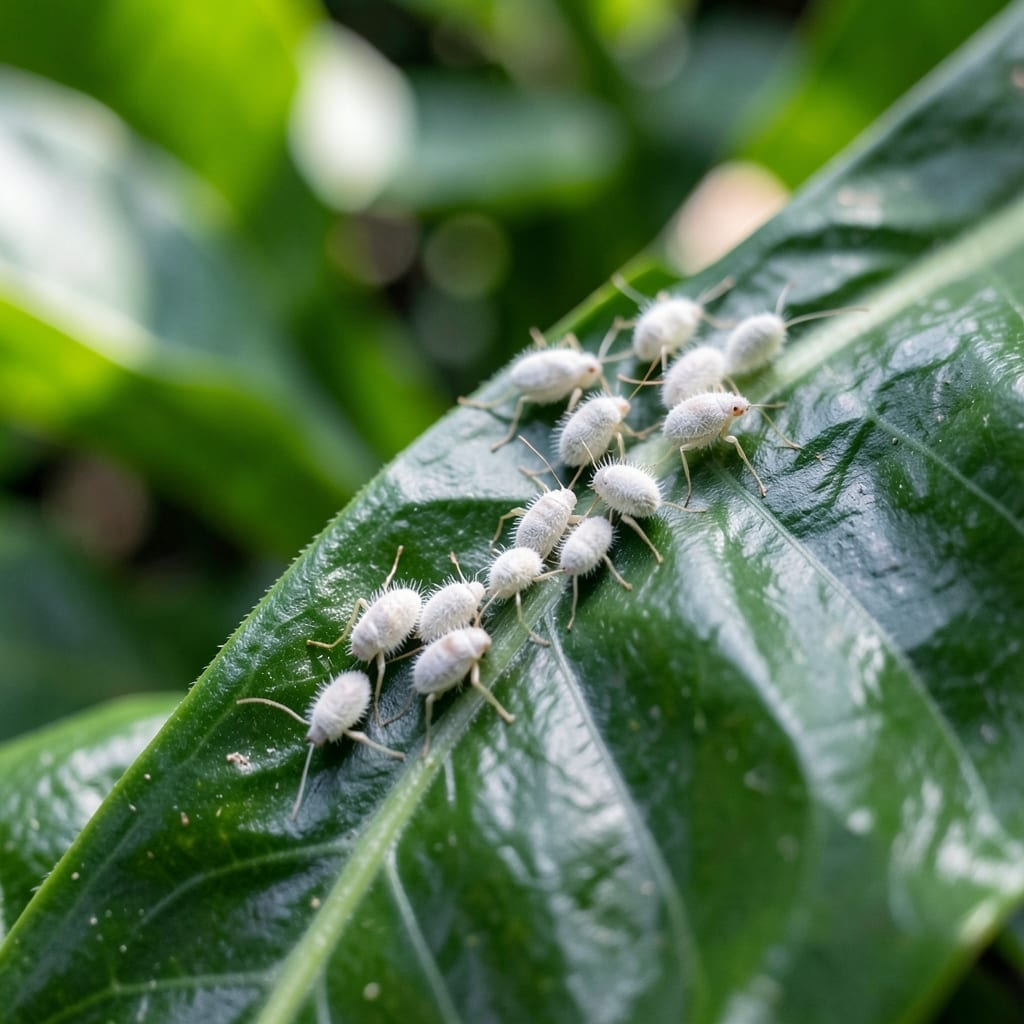
White cottony clusters on your Alocasia leaves mean one thing: mealybugs have moved in. I’ve battled these pests more times than I’d like to admit, but the right approach turns the tide fast.
The key is catching them early before they spread to every leaf and stem. A simple cotton swab dipped in rubbing alcohol removes visible bugs instantly, and a follow-up spray keeps them from returning.
Within 2-3 weeks, your plant will push out fresh, vibrant green growth free of sticky residue. The treatment is gentle on Alocasia but deadly for mealybugs at every life stage.
Prevention is just as important—regular leaf inspections and proper air circulation stop future infestations before they start. Here’s how to reclaim your plant’s health.
Mealybugs thrive on Alocasia plants due to a few key environmental and cultural factors. Understanding these causes helps you prevent infestations before they start.
Excess moisture creates a humid, stagnant environment that mealybugs love. Alocasia roots suffocate in soggy soil, weakening the plant and making it more susceptible. Ensure pots have drainage holes and use a well-aerating potting mix to discourage these pests.
Dense foliage with little airflow traps humidity and provides hiding spots for mealybugs. Space your Alocasia plants apart and prune overgrown leaves to improve ventilation. A small fan on low can also disrupt their settling behavior.
Mealybugs thrive in warm (70–80°F), dry climates—common in indoor settings with heating or air conditioning. While Alocasia enjoys warmth, low humidity stresses the plant. Use a humidifier or pebble tray to maintain 50–60% humidity, creating a less inviting environment for pests.
Excess nitrogen promotes soft, succulent new growth that mealybugs find irresistible. Switch to a balanced, slow-release fertilizer and avoid over-feeding, especially during dormancy. Stronger, mature growth is naturally more resistant.
Tackling mealybugs on your Alocasia starts with quick action and consistent care. Below are targeted fixes for common causes, plus prevention tips to keep your plant thriving. 🌿
For early signs, dab individual bugs with a cotton swab soaked in rubbing alcohol (70%). This dissolves their protective coating and kills them on contact. Repeat every 2–3 days until gone.
Mix 1 tsp neem oil + 1 tsp dish soap + 1L water and spray all surfaces (including leaf undersides). Reapply weekly for 3–4 weeks. Neem disrupts their life cycle, while soap suffocates them.
If bugs are in the soil, flush with water to dislodge them, then repot in fresh, sterile mix. Discard the old soil to prevent reinfestation.
Consistency is key! These steps will restore your Alocasia’s health and keep mealybugs at bay. 🎯
Inspect leaf undersides, stem joints, and soil surface with a magnifying glass. Look for white cottony clusters or sticky residue. Early detection prevents rapid spreading.
Yes, but it’s less effective. Mix 1 tsp mild soap + 1L water and spray thoroughly. Repeat every 3-4 days for best results. Works best on light infestations.
Reinfestation often comes from untreated soil or nearby plants. Isolate your Alocasia and treat all plants in the area. Replace topsoil and clean pots thoroughly.
Yes, neem oil is safe when diluted properly. Always use 1 tsp per 1L water and test on a small leaf area first. Avoid using in direct sunlight.