
Beautiful Plants For Your Interior
Beautiful Plants For Your Interior
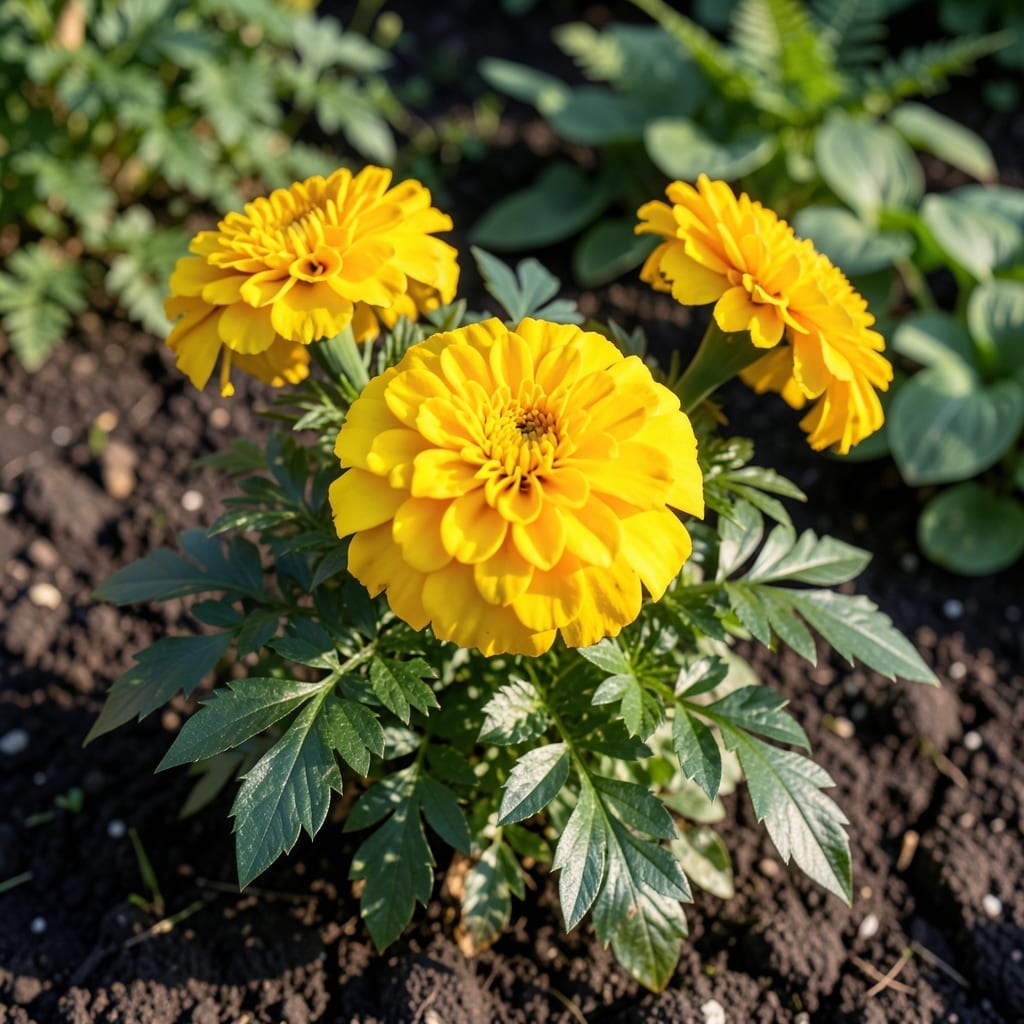
This variety changed my garden game completely. Bright yellow blooms that keep coming all season long, with almost no effort from me.
Plant them in full sun with decent soil, and they’ll reward you with vibrant color and natural pest protection for your other plants. The best part? They thrive in heat most flowers can’t handle.
📚 In This Guide
Here’s the method I trust for bold, long-lasting blooms that thrive in any garden.
Select a spot with full sun—these flowers need at least 6-8 hours of direct sunlight daily to produce their signature vibrant yellow. I’ve found they tolerate partial shade but the blooms won’t be as abundant or bright. The soil should drain well; marigolds dislike wet feet and will rot if left in standing water.
Amend heavy clay or compacted soil with compost to improve drainage. A simple test: if water pools on the surface after a rain, work in 2-3 inches of organic matter before planting. This ensures roots can breathe and spread easily.
Start seeds indoors 6-8 weeks before the last frost, or plant transplants outdoors only after the danger of frost has passed. Marigolds are warm-season plants and won’t survive cold snaps. If you’re sowing directly, wait until soil temperatures reach at least 60°F.
Plant seeds ¼ inch deep and space them 8-10 inches apart. For transplants, dig a hole slightly larger than the root ball and place it so the top of the soil sits level with the garden bed. Press down gently to remove air pockets, then water thoroughly to settle the soil.
Water deeply at the base of the plant, keeping the soil evenly moist but not soggy during the first 2-3 weeks after planting. Once established, marigolds are drought-tolerant—water only when the top inch of soil feels dry. Overwatering leads to weak stems and fewer flowers.
Avoid overhead watering to prevent fungal diseases like powdery mildew. I use a soaker hose or drip irrigation for precise delivery. Fertilize lightly with a balanced, water-soluble fertilizer every 4-6 weeks to encourage continuous blooming.
Pinch off spent flowers regularly to promote new blooms. This is called deadheading, and it redirects the plant’s energy from seed production to flower growth. Use your fingers or sharp pruners to remove the entire flower head, cutting just above a set of leaves or side bud.
Check plants weekly for dead or fading blooms. The more consistently you deadhead, the more flowers you’ll get. If the plant starts looking leggy mid-season, trim it back by one-third to encourage bushier growth and a fresh flush of bright yellow blooms.
Marigolds are naturally pest-resistant, but keep an eye out for aphids, whiteflies, or spider mites, especially in hot, dry conditions. A strong blast of water from the hose can dislodge small infestations. For larger problems, use insecticidal soap or neem oil, applying in the early morning or late evening.
Prevent fungal issues by spacing plants properly for airflow and watering at the base. If you notice powdery mildew (a white, powdery coating on leaves), remove affected foliage immediately and avoid overhead watering. Healthy, well-maintained plants rarely succumb to serious issues.
Here’s how to avoid the pitfalls that can derail your vibrant blooms.
Sunlight Strategy: The 6-8 hours of daily direct sunlight isn’t just a suggestion—it’s essential for those bold yellow blooms. If your garden has partial shade, prioritize morning sun over afternoon, as it’s less intense and helps prevent wilting during peak heat.
Drainage Check: That 1-2 hour drainage test in Step 1 is your best insurance against root rot. If water pools longer, mix in compost or sand to loosen heavy soil. I learned this the hard way after losing a few plants to soggy conditions.
Spider Prevention: Marigolds naturally repel pests, but aphids can still be an issue. A strong blast of water every few days knocks them off without chemicals. Also, the 8-10 inch spacing in Step 2 isn’t just for airflow—it gives you room to inspect leaves for invaders.
Deadheading Discipline: The 2-3 day deadheading schedule in Step 5 keeps blooms coming, but don’t wait for flowers to fully wilt. Snip them as soon as petals start to fade—this redirects energy faster and prevents seed pods from forming, which slows new growth.
Marigold Perfection Yellow is a vibrant, disease-resistant marigold variety known for its bright yellow blooms. It’s a popular choice for gardens due to its hardiness and long-lasting flowers.
Plant after the last spring frost when soil temperatures reach 60-70°F. In warmer climates, you can also plant in early fall for late-season blooms.
Water regularly but avoid overwatering. Deadhead spent blooms to encourage more flowers. Full sun (6+ hours daily) and well-draining soil are ideal.
Yes! Try ‘Durango Bee’ for similar yellow blooms or ‘Taishan Gold’ for larger flowers. Both are disease-resistant and thrive in similar conditions.
Brown leaves often indicate overwatering or fungal disease. Ensure proper drainage and avoid wetting the foliage. Remove affected leaves to prevent spread.