
Beautiful Plants For Your Interior
Beautiful Plants For Your Interior
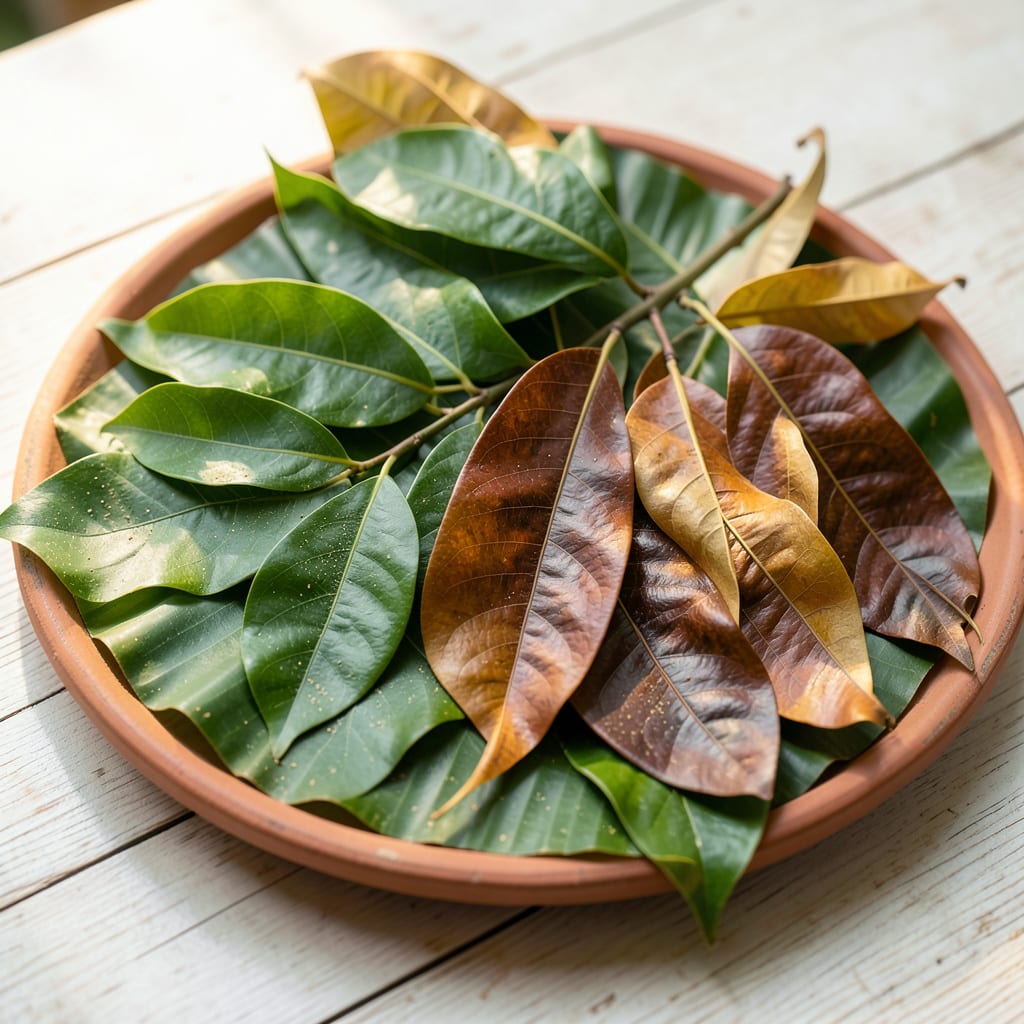
Brown mango leaves signal distress, but the cause isn’t always obvious. I’ve seen healthy trees decline overnight from water stress, while others slowly fade from nutrient deficiencies or hidden pests.
The solution starts with diagnosis: check soil moisture first, then inspect leaves for spots, webbing, or unusual patterns. Most issues reveal themselves within 24-48 hours of close observation.
Organic revival works best when tailored to the problem. Fungal treatments differ from pest control, and both require different approaches than water or nutrient adjustments.
Early intervention saves trees. With the right steps, even severely browned leaves can regrow green within 2-3 weeks of consistent care.
Mango leaves turning brown can be alarming, but understanding the root causes helps you act fast. Below are the most common reasons, explained scientifically yet simply.
Mango trees thrive in warm climates, but excessive heat (above 105°F/40°C) or intense direct sunlight can scorch leaves. The chlorophyll in leaves breaks down under extreme UV exposure, leading to brown, crispy edges or patches. Young leaves and transplant shock are especially vulnerable.
Overwatering suffocates roots, preventing oxygen uptake and causing root rot (often due to Phytophthora fungi). This blocks nutrient flow, turning leaves brown from the tips inward. Conversely, underwatering leads to dehydration—leaves curl, dry, and brown as cells die from lack of moisture.
Anthracnose (Colletotrichum gloeosporioides) and powdery mildew are common fungal culprits. Anthracnose causes dark brown spots with yellow halos, while powdery mildew coats leaves in white dust, eventually browning them. High humidity and poor airflow accelerate these infections.
A lack of magnesium (interveinal chlorosis) or potassium (leaf tip burn) often manifests as browning. Magnesium deficiency starts with yellowing between veins, progressing to brown necrosis. Potassium deficiency causes marginal browning, as the nutrient is mobile and older leaves sacrifice their stores first.
Mango hoppers, thrips, or scale insects sap plant juices, weakening leaves. Their feeding damage disrupts photosynthesis, leading to stippling, yellowing, and eventual browning. Sooty mold (a black fungus) often follows, exacerbating the problem.
Airborne chemical pollutants (e.g., ozone, sulfur dioxide) or salt buildup in soil (from poor-quality water) can cause necrotic browning. Salt toxicity disrupts water balance in cells, while pollutants damage leaf tissues directly.
If your mango tree’s leaves are turning brown, don’t panic—there are practical solutions to revive its health. Below, we break down the fixes for the most common causes, along with prevention tips to keep your tree thriving. 🌿
Too much or too little water can lead to browning. Check soil moisture 2 inches deep—if it’s bone-dry, water deeply but infrequently. If soggy, improve drainage by amending the soil with sand or compost. Mulch the base to retain moisture without waterlogging.
Prevention tip: 💡 Water early in the morning to reduce evaporation, and use drip irrigation for consistent moisture.
Fungi like anthracnose or powdery mildew thrive in wet conditions. Prune infected leaves immediately and dispose of them far from the tree. Apply a neem oil spray (2 tbsp oil + 1 tsp dish soap per gallon of water) every 7–10 days until symptoms fade.
Prevention tip: ✨ Space trees for airflow, and avoid overhead watering to keep foliage dry.
Extreme heat, cold, or wind can scorch leaves. Provide shade cloth during heatwaves, and wrap young trees in burlap if frost is forecast. For wind damage, plant a windbreak or stake the tree.
Prevention tip: 🌡️ Choose a sheltered planting spot and hardy mango varieties suited to your climate.
Yellowing or browning edges often signal a lack of magnesium, potassium, or nitrogen. Test your soil and amend with compost, wood ash (for potassium), or Epsom salt (for magnesium). Avoid over-fertilizing, which can burn roots.
Prevention tip: 🎯 Apply balanced organic fertilizer (like 5-5-5) every 2–3 months during the growing season.
Sap-sucking pests like aphids or scale cause brown spots. Blast them off with a strong water spray, or apply insecticidal soap. Introduce beneficial insects like ladybugs for long-term control.
Prevention tip: 🔥 Inspect leaves weekly, and keep the area free of debris where pests hide.
Water deeply 1-2 times per week for established trees, checking that soil stays moist 2 inches down. Young trees need more frequent watering. Reduce in rainy seasons to prevent root rot.
No, brown leaves won’t recover, but new growth will be healthy with proper care. Remove damaged leaves to redirect energy to fresh foliage. Consistent watering and nutrient balance prevent further browning.
Use a neem oil spray (mix 2 tablespoons oil + 1 teaspoon dish soap per gallon of water). Apply every 7-10 days until symptoms disappear. Prune infected leaves immediately.
Inspect leaves for tiny insects, webbing, or sticky residue. Common pests include aphids and scale. Treat with insecticidal soap or introduce beneficial insects like ladybugs.
