
Beautiful Plants For Your Interior
Beautiful Plants For Your Interior
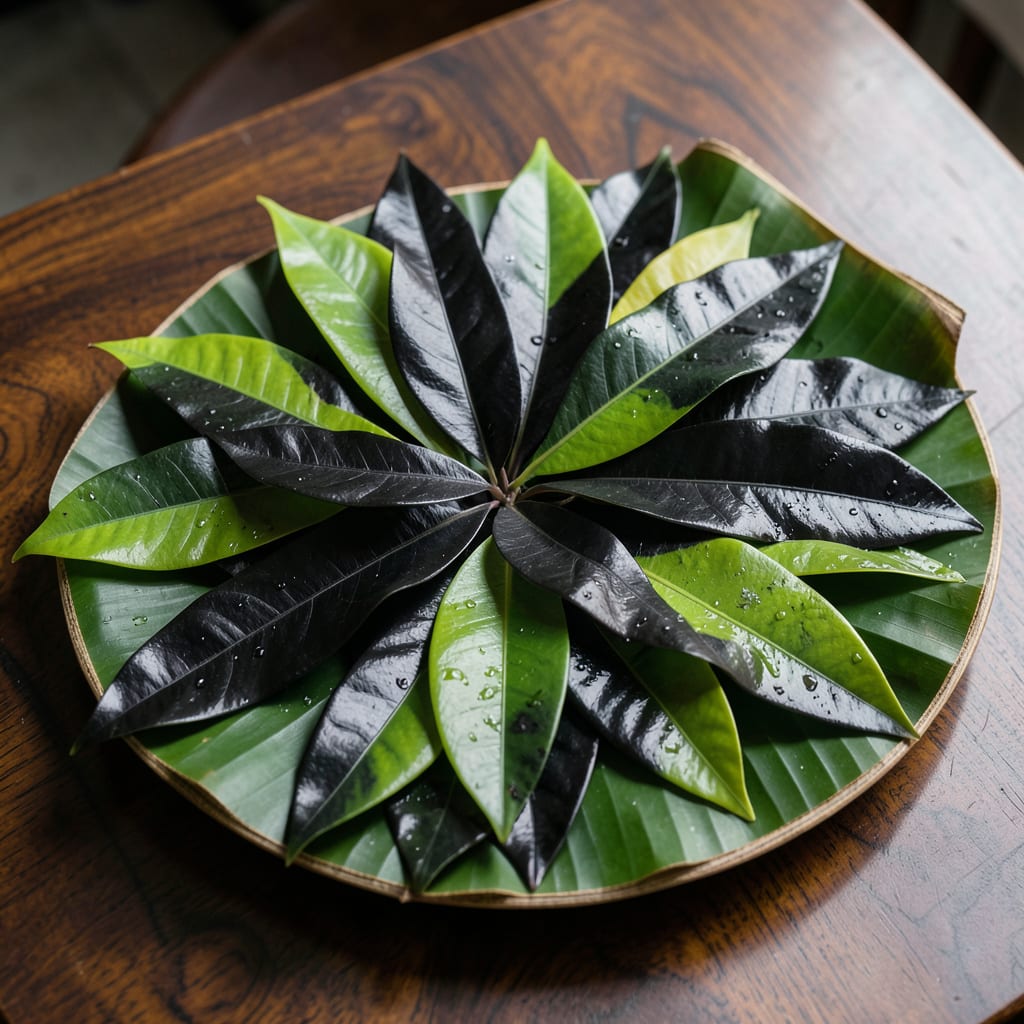
Black mango leaves mean trouble, but it’s fixable. I’ve saved trees with the right approach after spotting those dark, spreading spots first thing in the morning.
The usual culprits are fungal infections like anthracnose or powdery mildew, often triggered by too much rain or poor air flow. Nutrient issues can show up this way too, especially with manganese or magnesium shortages.
Start with organic fungicides like copper spray or neem oil, then adjust watering and check soil pH. Most trees bounce back within 2-3 weeks of consistent treatment.
Prevention beats cure—clean up fallen leaves, space trees properly, and monitor after heavy rains. Early action makes all the difference.
Mango leaves turning black is often a sign of underlying issues that disrupt the tree’s health. Here are the most common causes, explained scientifically:
Fungi like Colletotrichum gloeosporioides (anthracnose) or Phoma species thrive in warm, humid conditions. They invade leaves through wounds or stomata, producing toxins that cause necrosis—those unsightly black patches. Poor air circulation and overhead watering worsen the problem.
Excess moisture suffocates roots, leading to root rot. As roots decay, they fail to absorb nutrients, causing leaves to yellow, then blacken from lack of oxygen and nutrient uptake. Clay-heavy or compacted soil exacerbates this.
Extreme temperatures (below 40°F or above 100°F) damage leaf tissues, triggering blackening as cells die. Frostbite disrupts cellular integrity, while heat stress causes rapid water loss and scorching.
A lack of magnesium (essential for chlorophyll) or phosphorus (critical for energy transfer) can manifest as blackened leaves, often starting at the edges. Soils with high pH (alkaline) may lock out these nutrients, making them unavailable to the tree.
Sap-sucking pests like scale insects or mealybugs weaken leaves, making them susceptible to secondary infections. Their sticky honeydew residue also promotes sooty mold growth, which appears as a black, powdery coating on leaves.
Tackle blackened mango leaves with these targeted fixes, each addressing a common cause. Act fast to restore your tree’s health! 🌿
Mix 1 tablespoon of copper fungicide per gallon of water and spray affected leaves thoroughly, covering both sides. Apply in the early morning or late evening to avoid leaf burn. Repeat every 7–10 days until the issue clears. For organic options, use neem oil (2 tablespoons per gallon of water + 1 teaspoon of mild soap) as a preventive spray every two weeks.
Prevention tip: 💡 Improve airflow around the tree by pruning dense branches and removing fallen leaves to reduce fungal spores.
Let the top 2–3 inches of soil dry out between waterings. Mango trees prefer deep but infrequent watering—aim for 1–2 times per week, depending on climate. Use a moisture meter to check soil conditions if unsure.
Prevention tip: ✨ Ensure your planting area has well-draining soil; amend with sand or compost if needed. Avoid waterlogging at all costs!
Apply a balanced fertilizer (e.g., 10-10-10) or one rich in zinc and manganese (common culprits for blackening). Follow package instructions, but generally, fertilize every 2–3 months during the growing season. For a quick fix, use a foliar spray with micronutrients.
Prevention tip: 🎯 Test your soil annually to catch deficiencies early. Yellowing before blackening often signals a nutrient issue.
Inspect leaves for pests like thrips or scale insects. Remove heavily infested leaves and dispose of them far from the tree. Spray with insecticidal soap or neem oil every 5–7 days until pests are gone.
Prevention tip: 🌡️ Encourage beneficial insects (e.g., ladybugs) by planting companion flowers like marigolds nearby.
No, it can stem from overwatering, nutrient shortages, or even temperature extremes. Check soil moisture and leaf patterns first to narrow it down.
With proper care, new growth should appear green within 2-3 weeks. Severely damaged leaves may not recover but will be replaced.
Yes, a baking soda solution (1 teaspoon per quart of water) can help mild fungal cases. For best results, add a few drops of dish soap and apply weekly.
If blackening spreads despite treatment, or if the tree’s trunk shows damage, consult an arborist. Early intervention prevents permanent harm.
