
Beautiful Plants For Your Interior
Beautiful Plants For Your Interior
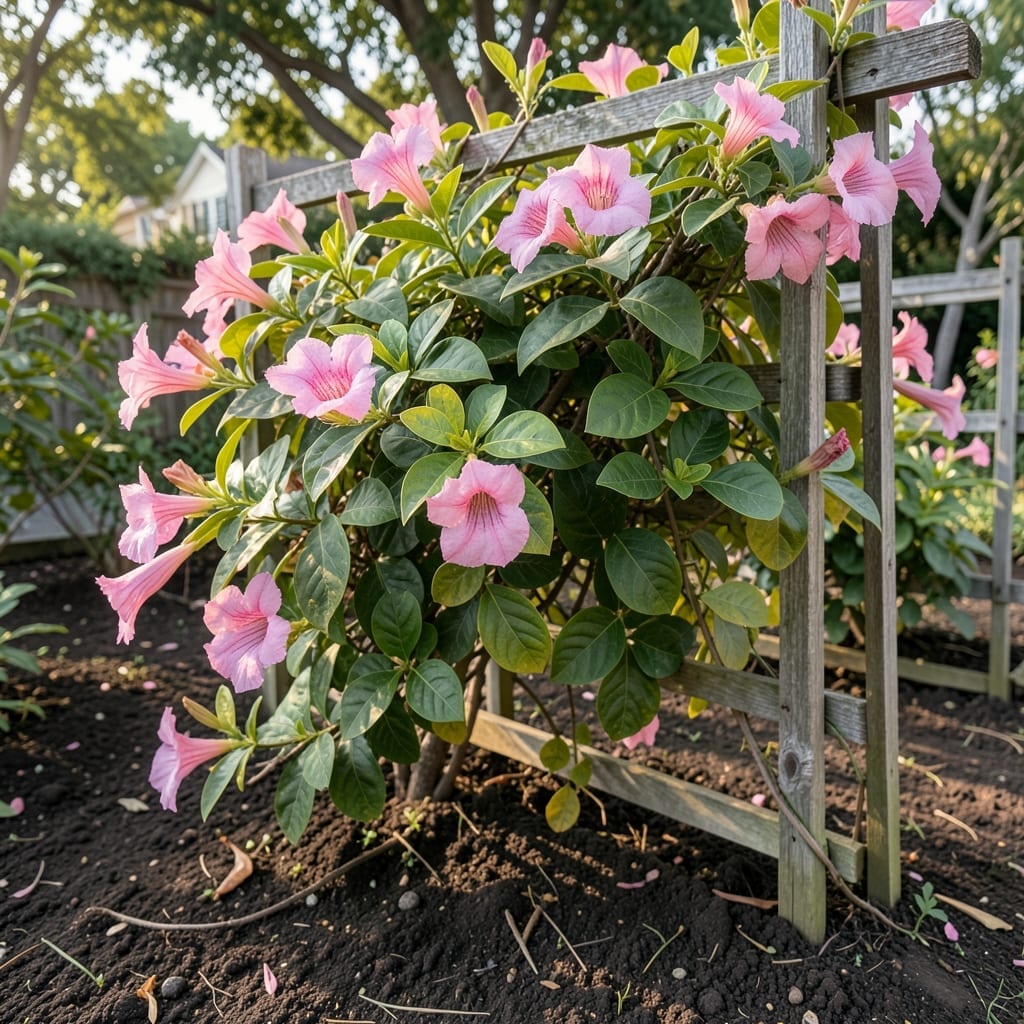
Yellow leaves on your mandevilla aren’t the end of the world. I’ve nursed dozens back to health, and the fix is usually simpler than you’d think.
Most cases come down to overwatering, poor drainage, or a nitrogen deficiency. The plant’s way of waving a white flag saying “something’s off” before it’s too late.
With a few adjustments—checking soil moisture, inspecting roots, or tweaking your fertilizer—you’ll see green returning within 2-3 weeks. No fancy tools required.
Works for potted vines, garden plants, or even new cuttings. Here’s how to play detective and turn things around.
Yellow leaves on your mandevilla often signal underlying stress or imbalance. Below are the most common causes, explained with actionable insights.
Mandevillas hate soggy roots. Overwatering or compacted soil suffocates the roots, reducing oxygen uptake and leading to chlorosis (yellowing). Fungal root rot (Phytophthora or Pythium) may also develop, further blocking nutrient absorption. Check soil moisture 2 inches deep—if it’s damp, hold off on watering and ensure pots have drainage holes.
Nitrogen, magnesium, or iron shortages trigger yellowing. Nitrogen deficiency causes uniform yellowing (older leaves first), while magnesium deficiency creates interveinal chlorosis (yellow between green veins). Iron deficiency, common in alkaline soils, also leads to interveinal yellowing in new growth. A balanced, water-soluble fertilizer (10-10-10 or 20-20-20) or Epsom salt spray (for magnesium) can correct this.
Temperature swings (below 50°F or above 90°F) or cold drafts disrupt chlorophyll production. Similarly, low humidity (below 40%) can cause leaf yellowing and drop. Move plants to a stable environment (65–80°F) and mist leaves or use a pebble tray to boost humidity.
Spider mites, aphids, or whiteflies sap vital nutrients from leaves, leading to stippling or yellow mottling. Check leaf undersides for webbing (mites) or sticky residue (aphids). Treat with neem oil or insecticidal soap, applying in the early morning or late evening to avoid leaf burn.
Pathogens like Alternaria or Xanthomonas cause yellow spots or halos, often with brown edges. These thrive in high humidity without airflow. Prune affected leaves, avoid overhead watering, and apply copper-based fungicides preventatively.
If your mandevilla’s leaves are turning yellow, don’t panic—most causes are fixable with a few simple adjustments. Below are targeted solutions for the most common issues, along with prevention tips to keep your plant thriving. 🌿
Fix: Stop watering immediately and check the soil. If it’s soggy, let it dry out completely before watering again. Repot the plant in fresh, well-draining soil if root rot is suspected. Trim any black, mushy roots with sterilized scissors.
Prevention: Use a pot with drainage holes and a soil mix containing perlite or sand. Water only when the top 1-2 inches of soil are dry. 💡
Fix: Feed your mandevilla with a balanced, water-soluble fertilizer (10-10-10 or 20-20-20) every 2-4 weeks during the growing season. For iron deficiency (yellowing between veins), use a chelated iron supplement.
Prevention: Regularly fertilize during active growth but reduce frequency in winter. Test your soil annually for deficiencies. ✨
Fix: Spray the plant with neem oil or insecticidal soap, focusing on the undersides of leaves where pests like spider mites and aphids hide. Repeat every 5-7 days until pests are gone.
Prevention: Inspect leaves weekly for early signs of pests. Keep the plant in a well-ventilated area to discourage infestations. 🎯
Fix: Move the plant to a location with bright, indirect light (4-6 hours of sunlight daily). If temperatures drop below 50°F (10°C), bring it indoors. Shield it from cold drafts or harsh afternoon sun.
Prevention: Acclimate the plant gradually to new environments. Use a humidity tray or mist the leaves if indoor air is too dry. 🌡️
Fix: Remove infected leaves and treat the plant with a copper-based fungicide or bactericide. Improve air circulation around the plant to reduce humidity.
Prevention: Avoid wetting the leaves when watering. Space plants apart to ensure good airflow. Sterilize pruning tools between uses. 🛡️
Water when the top 1-2 inches of soil feel dry. Typically, this means 2-3 times per week in warm weather. Always check soil moisture first—overwatering is a common cause of yellowing.
Unfortunately, once leaves turn yellow, they won’t recover. Focus on fixing the underlying issue, and new healthy growth will appear within 2-3 weeks. Remove severely yellowed leaves to redirect energy.
Use a balanced 10-10-10 or 20-20-20 water-soluble fertilizer every 2-4 weeks during growing season. For magnesium deficiency, add Epsom salt spray (1 tablespoon per gallon of water).
This often signals nitrogen deficiency. Older leaves yellow first as the plant moves nitrogen to newer growth. Apply a nitrogen-rich fertilizer to restore balance.