
Beautiful Plants For Your Interior
Beautiful Plants For Your Interior
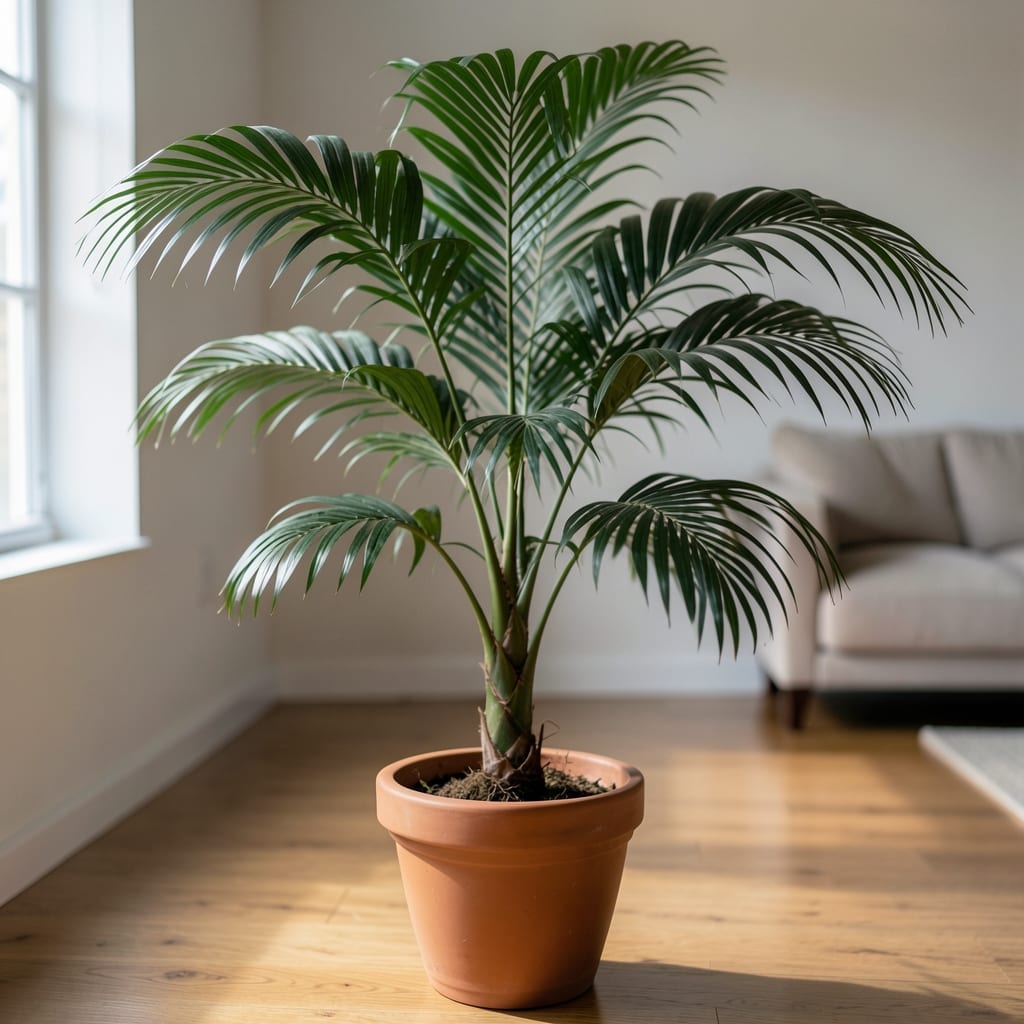
My Majesty Palm nearly died last winter because I ignored its temperature needs. These tropical plants thrive in consistent warmth, and getting it right transforms their growth from struggling to lush.
Keep them between 65-85°F indoors, away from drafts or heating vents. The right temp prevents yellowing fronds and encourages that full, vibrant look we all want.
📚 In This Guide
This method ensures your palm stays lush and healthy through every season.
Majesty palms thrive in consistent temperatures between 65-85°F during active growth. This tropical native cannot tolerate cold drafts or sudden temperature swings, which stress the plant and lead to brown, crispy fronds. I keep mine in a room where the temperature stays reliably in this range day and night.
Below 55°F, growth slows dramatically, and below 40°F, the plant risks severe damage. Watch for signs like yellowing leaves or slowed new growth—these indicate your palm isn’t in its happy zone. A simple indoor thermometer near the plant helps you monitor conditions accurately.
Place your palm away from cold windows, exterior doors, and air conditioning vents. Even a brief draft from an open window on a chilly night can shock the plant. I position mine in a bright, interior room where air circulation is gentle and temperature fluctuations are minimal.
If your home runs cooler, consider a heated plant mat or move the palm closer to a heat source during winter months. Just ensure it’s not too close to radiators or fireplaces, as dry, hot air can scorch leaves. Aim for that 65-85°F sweet spot consistently.
As seasons shift, so do indoor temperatures. In winter, check that your palm isn’t sitting in a cold draft from a window or door. In summer, keep it out of direct, scorching sunlight that can overheat the leaves. I rotate my palm occasionally to ensure even exposure to light and warmth.
If you notice the tips of the fronds turning brown, it’s often a sign of temperature stress or low humidity. Adjust the plant’s location and consider using a humidifier to create a more tropical environment.
If you must move your palm outdoors in warmer months, do so only when nighttime temperatures stay above 60°F. Acclimate the plant gradually by placing it in a shaded spot for a few hours each day before leaving it out overnight.
Bring it back indoors as soon as temperatures drop below 55°F. This prevents cold shock, which can weaken the plant and make it susceptible to pests and diseases. Always prioritize stability—your palm will thank you with vibrant, healthy growth.
Small adjustments make a world of difference for keeping your palm thriving year-round.
Temperature Sweet Spot: That 65-85°F range isn’t just a suggestion—it’s the difference between a palm that merely survives and one that flourishes. I learned this the hard way after watching fronds crisp at the edges when my thermostat dipped below 65°F during a cold snap. Consistency is everything.
Cold Threshold Reality Check: Below 55°F, your palm enters survival mode, and at 40°F, you risk irreversible damage. Don’t wait for visible distress—act at the first sign of temperature drop. A digital thermometer is your best defense against guesswork.
Seasonal Transition Strategy: When moving your palm outdoors, that 60°F nighttime minimum is non-negotiable. I once rushed the process and lost a mature frond to cold shock. Acclimate gradually—your palm’s health depends on patience more than enthusiasm.
Placement Precision: Even a well-heated room can have microclimates. I keep mine at least 3 feet from vents, windows, and doorways. That buffer zone prevents the temperature swings that stress tropical plants, especially during winter when indoor heating creates dry, fluctuating conditions.
Majesty palms thrive in temperatures between 65°F and 85°F (18°C–29°C). Avoid exposing them to drafts or sudden temperature drops below 50°F (10°C), as this can stress the plant and lead to leaf damage.
No, they’re sensitive to cold. Temperatures below 50°F (10°C) can cause yellowing or browning leaves. If outdoors, bring them inside before temperatures drop to protect their health.
Trim damaged leaves with clean shears and move the plant to a stable, warm environment. Ensure consistent temperatures and avoid cold drafts or direct heat sources like vents.
Consider hardier palms like the parlor palm or sago palm, which tolerate cooler temps. Alternatively, use a space heater or grow lights to maintain a warm, stable environment for your majesty palm.