
Beautiful Plants For Your Interior
Beautiful Plants For Your Interior
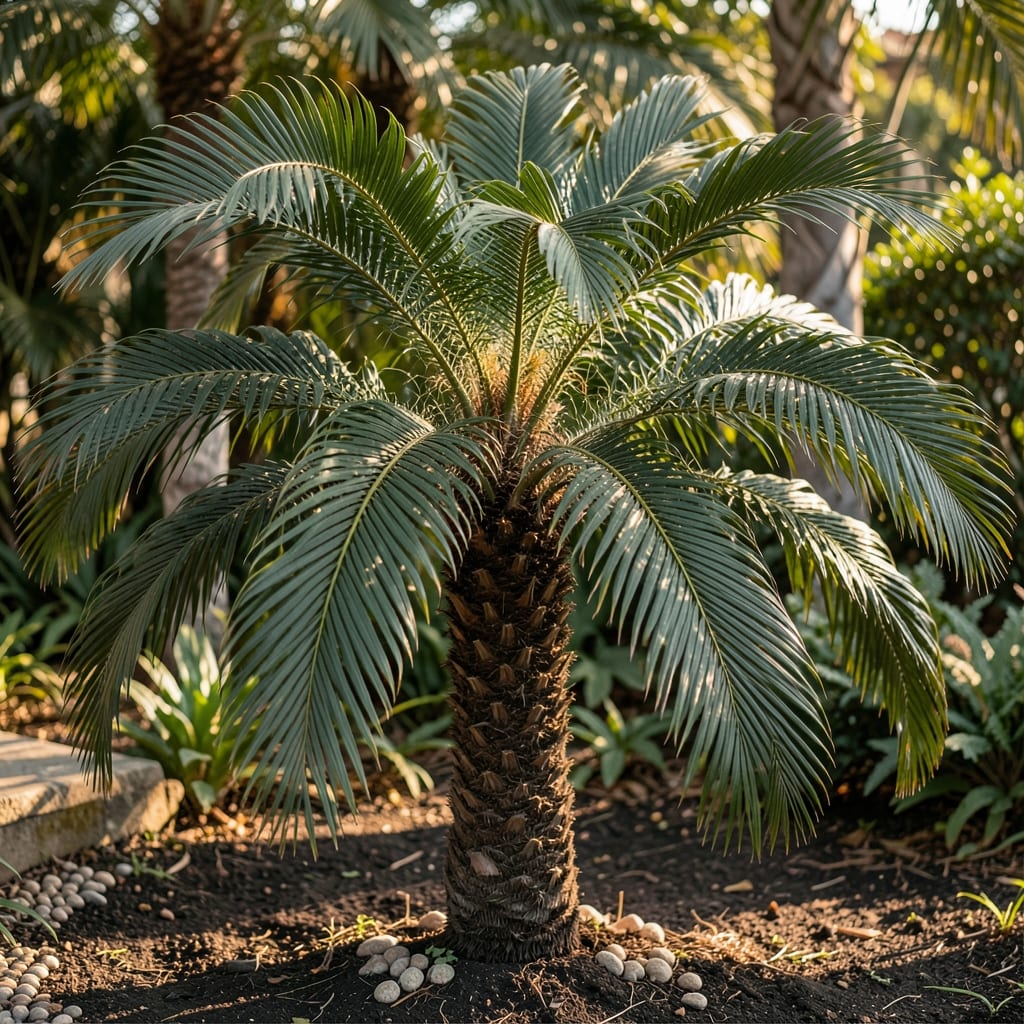
I transformed my backyard with these tropical beauties. Majesty palms bring that resort vibe right to your outdoor space, and they’re easier to grow than you’d think.
They thrive in warm climates with partial shade, needing just consistent moisture and well-draining soil. Within a season, you’ll have lush, arching fronds creating your own private oasis.
📚 In This Guide
These insights will help you avoid common pitfalls and ensure your palm thrives in its new outdoor home.
Lighting Wisdom: In Step 1, remember that morning sun is your palm’s friend, but hot afternoon rays will scorch its fronds. I learned this the hard way after losing a young palm to midday heat. Test your spot by observing sun patterns throughout the day—east-facing locations or dappled shade under trees work best.
Soil Preparation: When amending heavy clay soil as mentioned in Step 1, dig organic matter into a full 3-foot diameter area. This encourages roots to spread outward rather than staying confined. Trust me, skipping this step leads to waterlogged roots during heavy rains.
Planting Depth: As specified in Step 2, keep the top of the root ball 1-2 inches above ground level. This accounts for settling and prevents the trunk from being buried, which can cause rot. I’ve seen many majesty palms struggle because they were planted too deep.
Watering Technique: For the initial 2-3 weeks of frequent watering in Step 4, that 3-inch-high water ring is crucial. It ensures water reaches the roots rather than running off. Check moisture 2 inches deep—if it’s dry at that level, it’s time to water, regardless of surface appearance.
Majesty palms thrive outdoors in USDA zones 9-11, where temperatures stay above 30°F (-1°C). In colder areas, grow them in containers and bring indoors during winter. They love warmth, humidity, and partial shade.
Water when the top 1-2 inches of soil feel dry, typically 2-3 times per week in hot weather. Ensure good drainage to prevent root rot. Reduce watering in cooler months or rainy seasons.
Consider hardier palms like needle palm or windmill palm for colder climates. Potted alternatives include parlor palm or kentia palm, which can be moved indoors when temperatures drop.
Yellow leaves often signal overwatering, nutrient deficiency, or too much direct sunlight. Check soil moisture, fertilize lightly, and provide dappled shade to help your palm recover.