
Beautiful Plants For Your Interior
Beautiful Plants For Your Interior
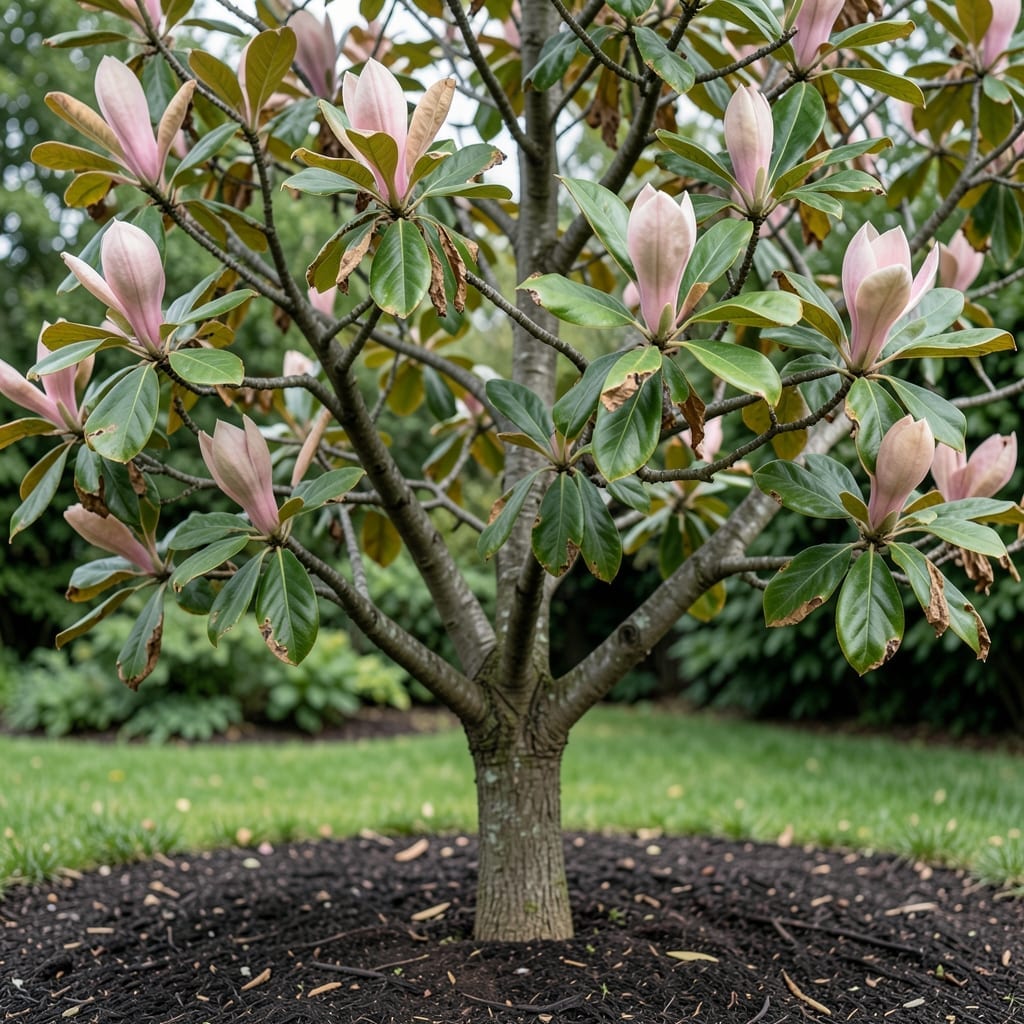
Brown leaves on your magnolia aren’t just unsightly—they’re a warning sign. I’ve seen entire trees struggle when this issue goes ignored, but the good news is it’s often fixable.
Usually, it’s environmental stress, fungal trouble, or pests throwing your tree off balance. The key is identifying the pattern: crispy edges, spots, or uniform browning each point to different culprits.
With the right approach, you can stop the spread and nurse your magnolia back to health. I’ve saved dozens using simple, targeted fixes that work fast.
Prevention is easier than you think—once you know what to look for, keeping those leaves vibrant green becomes second nature.
Magnolia leaves turn brown due to several environmental and biological stressors. Below are the most common causes, explained with actionable insights.
Magnolias require balanced nutrients, particularly magnesium, nitrogen, and iron. A deficiency in these can lead to chlorosis (yellowing) followed by browning. Test soil pH—magnolias thrive in slightly acidic (5.5–6.5) conditions. Amend with compost or a slow-release fertilizer if levels are off.
Root stress from improper watering disrupts nutrient uptake. Overwatering causes root rot, while drought leads to leaf scorch. Ensure 1–2 inches of water weekly, with well-draining soil. Mulch helps retain moisture without waterlogging.
Pathogens like Phytophthora or Anthracnose thrive in wet conditions, causing brown spots or blight. Improve airflow, remove infected leaves, and apply copper-based fungicides preventatively in humid climates.
Extreme temperatures, frost damage, or salt spray (in coastal areas) can scorch leaves. Protect young trees with burlap wraps in winter and avoid de-icing salts near roots.
Sap-sucking pests like scale or spider mites weaken leaves, leading to browning. Inspect undersides for webbing or sticky residue. Treat with neem oil or insecticidal soap at first signs.
Addressing brown leaves on your magnolia starts with identifying the root cause. Below are targeted solutions for the most common issues, along with prevention tips to keep your tree thriving.
If soggy soil is the culprit, stop watering immediately and let the top 2–3 inches of soil dry out. Improve drainage by:
Prevention tip: 💡 Use a moisture meter to avoid guesswork, and always water at the base—not the leaves.
Young magnolias or those in sudden full sun can develop brown, crispy edges.
Prevention tip: 🌡️ Gradually acclimate magnolias to sunnier spots over 1–2 weeks.
Scale, aphids, or mites cause yellowing/browning leaves. Combat them with:
Prevention tip: ✨ Encourage ladybugs and lacewings (natural predators) by planting companion flowers like marigolds.
Yellowing between leaf veins often signals iron or magnesium deficiency.
Prevention tip: 🎯 Test soil every 2–3 years to monitor pH (magnolias prefer 5.5–6.5).
Yes, prune brown leaves as soon as you notice them to prevent the spread of disease or pests. Use clean, sharp shears and dispose of the leaves far from the tree.
Provide 1–2 inches of water weekly, allowing the top 2–3 inches of soil to dry between waterings. Adjust based on rainfall and soil drainage.
Once leaves turn brown, they won’t regain their green color. Focus on addressing the underlying issue to protect the remaining healthy foliage.
A slow-release, balanced fertilizer like 10-10-10 works well. Apply in early spring, and test soil pH every 2–3 years.