
Beautiful Plants For Your Interior
Beautiful Plants For Your Interior
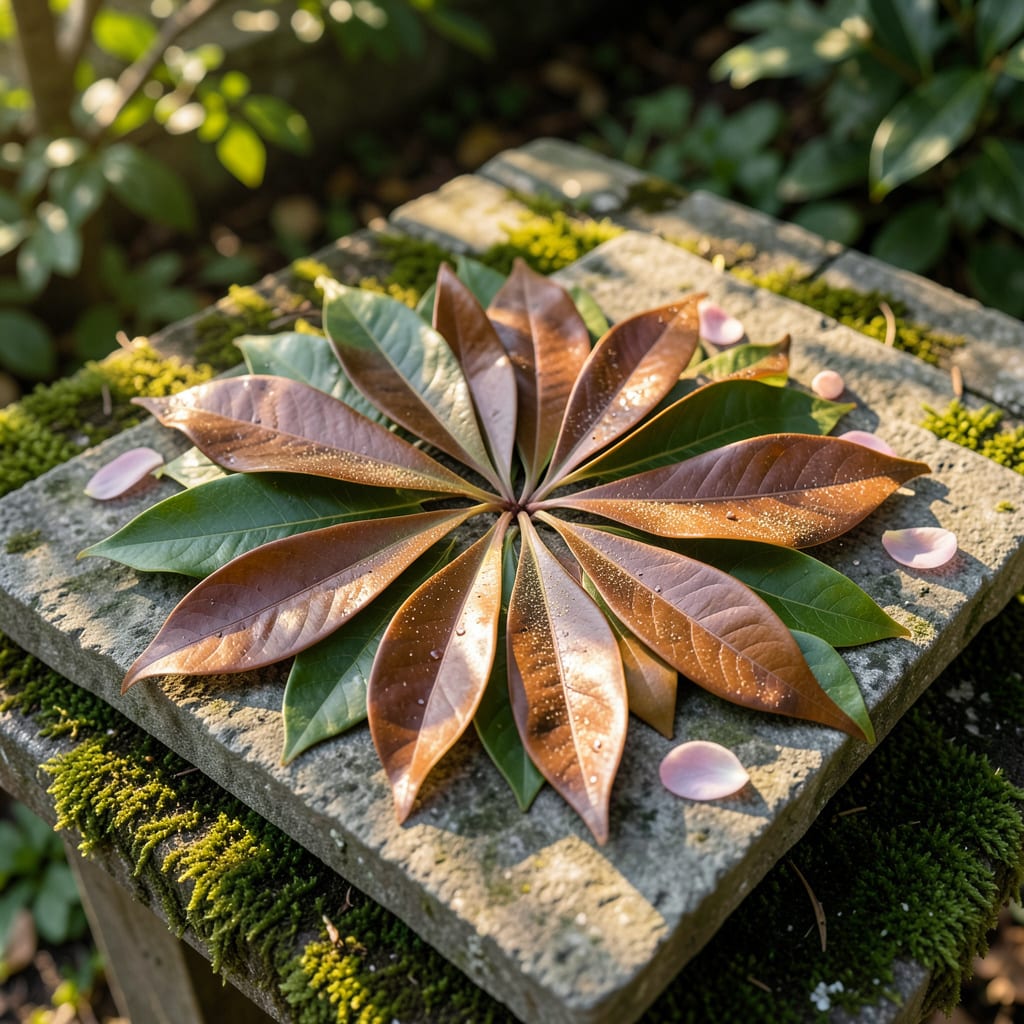
Brown magnolia leaves hit me like a gut punch last summer. I thought my tree was done for, but the fix was simpler than I expected.
Turns out, it’s rarely just one thing. Too much water, not enough water, hungry roots, or even a sneaky pest can all cause that crispy brown look. Most cases clear up with a few adjustments to your care routine.
I saw new green growth within 2 weeks of fixing the underlying issue. The key is diagnosing correctly before you start treating symptoms.
Works for established trees and new plantings alike. Here’s how to play plant detective and save your magnolia.
Magnolia leaves turn brown due to a mix of environmental, biological, and cultural stressors. Below are the most common causes, explained with actionable insights.
Sudden heatwaves or unseasonal frosts disrupt the magnolia’s cellular processes. Leaves scorch (leaf burn) when temperatures exceed 90°F (32°C) for prolonged periods, while frost below 28°F (-2°C) damages delicate tissues. Shade cloth or mulching can mitigate stress.
Both overwatering and underwatering lead to browning. Soggy soil suffocates roots, blocking nutrient uptake, while drought causes turgor loss (wilting) and edge necrosis. Check soil moisture 2 inches deep—dry means water; soggy means pause and improve drainage.
Cercospora or Phyllosticta fungi thrive in humid conditions, creating brown spots with yellow halos. Prune infected leaves immediately and apply copper fungicide preventatively in spring. Avoid overhead watering to reduce spore spread.
Lack of magnesium (interveinal yellowing + brown edges) or potassium (scorched leaf margins) often triggers discoloration. Test soil pH (6.0–7.0 ideal); amend with Epsom salts (magnesium) or compost (potassium) as needed.
Scale insects and spider mites pierce leaf cells, causing stippling and browning. Inspect leaf undersides; treat with neem oil or insecticidal soap at first signs. Beneficial insects like ladybugs can also help control outbreaks.
Addressing brown leaves on your magnolia starts with identifying the root cause and applying targeted fixes. Here’s how to tackle the most common issues:
If dry soil is to blame, water deeply at the base of the tree, ensuring moisture reaches the root zone. Aim for 1–2 inches of water per week, adjusting for rainfall. Mulch around the base (2–3 inches deep) to retain moisture and prevent evaporation.
Soggy roots lead to brown, wilting leaves. Stop watering immediately and check soil drainage. If the area is waterlogged, amend the soil with compost or sand to improve aeration. For potted magnolias, ensure pots have drainage holes and use a well-draining potting mix.
A lack of nitrogen, iron, or magnesium often causes discoloration. Use a balanced, slow-release fertilizer (10-10-10) in early spring. For iron deficiency (yellowing between veins), apply chelated iron to the soil.
For scale insects or aphids, spray leaves with neem oil or insecticidal soap. Fungal issues (like leaf spot) may require copper fungicide. Prune affected leaves and dispose of them far from the tree to prevent spread.
If extreme heat or cold is the culprit, provide shade during peak afternoon sun or wrap young trees in burlap for winter protection. Transplant shock? Keep the tree well-watered and avoid pruning until it recovers.
Consistent care and quick action can restore your magnolia’s vibrant green leaves in no time!
Water deeply 1-2 times per week, ensuring the soil stays moist but not soggy. Check the top 2 inches of soil—if dry, it’s time to water. Adjust based on rainfall and temperature.
Unfortunately, once leaves turn brown, they won’t recover. Focus on correcting the underlying issue to promote new, healthy growth. Remove severely damaged leaves to help the tree direct energy elsewhere.
Use a balanced 10-10-10 fertilizer in early spring. For magnesium deficiency, add Epsom salts. Always test soil first to avoid over-fertilizing, which can worsen the problem.
Yes, remove severely brown or damaged leaves to prevent the spread of disease or pests. Use clean, sharp pruners and dispose of the leaves far from the tree to avoid contamination.
