
Beautiful Plants For Your Interior
Beautiful Plants For Your Interior
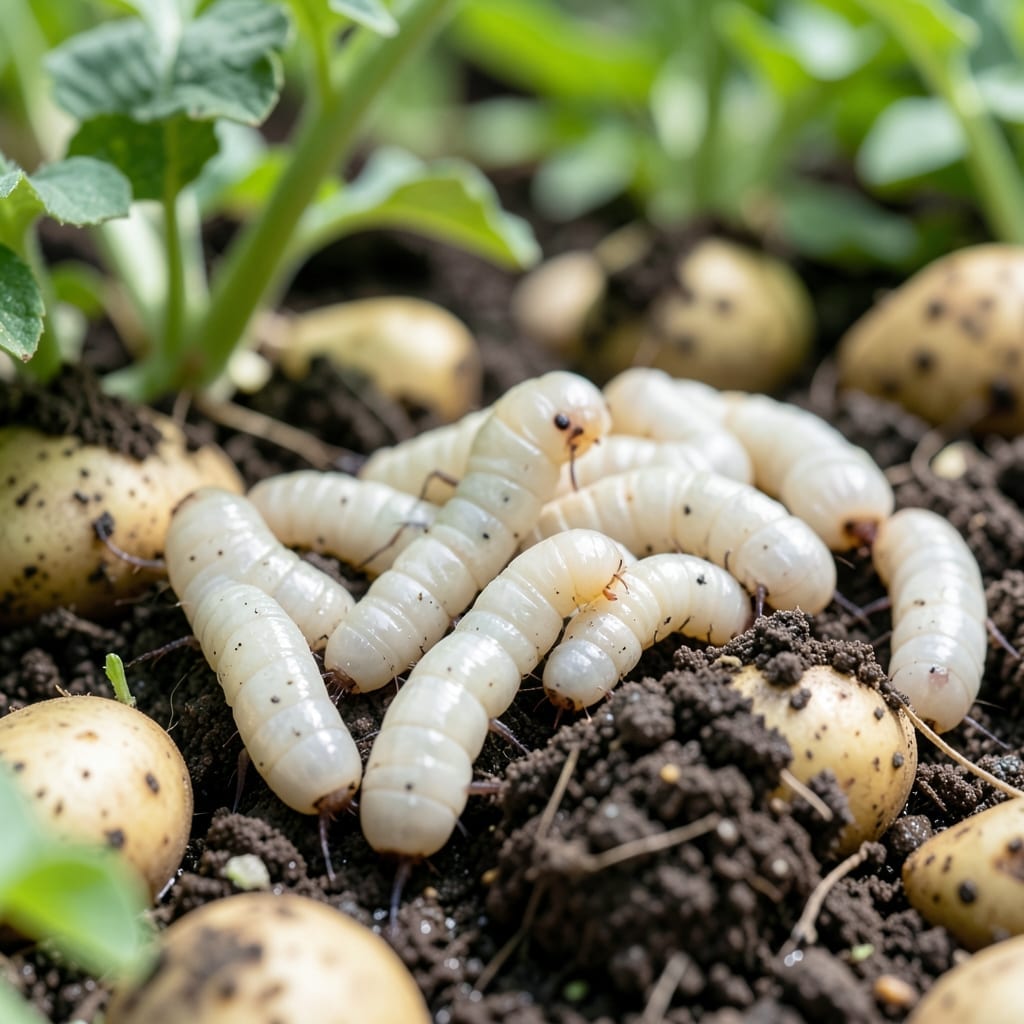
Nothing ruins a harvest faster than cutting into a potato and finding maggots inside. I’ve been there—pulling up spuds that looked perfect only to discover tunnels and larvae. It’s a common problem, but one you can prevent with the right approach.
The culprits are usually potato tuber moths or root maggots, both of which lay eggs in the soil. Once hatched, the larvae burrow into the tubers, causing damage that’s often invisible until it’s too late. Early detection is key to saving your crop.
I’ve tested organic solutions that actually work—beneficial nematodes, crop rotation, and proper storage. These methods stop infestations without harsh chemicals and keep your garden healthy for next season.
With a few adjustments, you can grow potatoes that stay maggot-free from planting to plate.
Maggots in potatoes are usually the larvae of flies, and their presence is a sign of infestation. Here’s why it happens:
Potato tuber moths or root maggot flies lay eggs in the soil near potato plants. The eggs hatch into larvae (maggots), which burrow into the tubers to feed. This is more common in uncovered or poorly stored potatoes, as flies are attracted to decaying organic matter and moist conditions.
Decaying plant debris, unharvested potatoes, or compost near your crop can attract egg-laying flies. Rotate crops and remove plant residue to reduce breeding grounds. Contaminated soil from previous infestations can also introduce maggots to new potato plants.
Overwatered or waterlogged soil creates an ideal environment for flies to thrive. Maggots prefer damp conditions, so ensure proper drainage and avoid overwatering to deter infestations.
Stored potatoes can develop maggots if kept in warm, humid, or dirty conditions. Always cure potatoes in a dry, well-ventilated area before storage and inspect them for signs of damage or rot, which attract flies.
Dealing with maggots in your potatoes can be frustrating, but these practical solutions will help you reclaim your crop and prevent future infestations. Below are targeted fixes for common causes, along with prevention tips to keep your potatoes maggot-free.
If the soil is the source of the problem, remove the top 2-3 inches of infested dirt and replace it with fresh, sterile potting mix or compost. Rotate your potato planting area yearly to disrupt the life cycle of pests like potato tuber moths. Prevention tip: 💡 Solarize the soil before planting by covering it with clear plastic for 4-6 weeks to kill larvae and eggs.
Check stored potatoes weekly for signs of maggots or holes. Remove any affected tubers immediately and isolate them to prevent spreading. Store potatoes in a cool, dark, and well-ventilated place (45-50°F is ideal). Prevention tip: 🌡️ Use breathable containers like burlap sacks or mesh bags instead of plastic, which traps moisture and attracts pests.
Combat adult pests with organic solutions. Introduce beneficial nematodes (like Steinernema feltiae) to the soil to target larvae. You can also plant companion crops like marigolds or basil, which repel moths and flies. Prevention tip: ✨ Rotate crops and avoid planting potatoes in the same spot year after year to reduce pest buildup.
Maggots are drawn to rotting or injured potatoes. Harvest your crop gently to avoid bruising, and do it on a dry day to prevent moisture damage. Cure potatoes in a dark, humid (80-90%) space for 10-14 days before storage to toughen their skins. Prevention tip: 🎯 Sort potatoes before storing—discard any with cuts, soft spots, or signs of spoilage.
Look for small holes or dark tunnels on the surface. Gently squeeze the potato—soft or squishy spots may indicate internal damage. A musty odor is another red flag.
Discard any infested potatoes immediately. Eating them risks ingesting harmful bacteria from the larvae. Always inspect tubers before cooking to avoid contamination.
Rotate crops yearly and solarize soil for 4-6 weeks before planting. Use breathable storage containers and keep potatoes in a cool, dry place.
Yes! Beneficial nematodes target larvae in the soil. Companion plants like marigolds also repel adult flies. Introduce these early for the best results.